
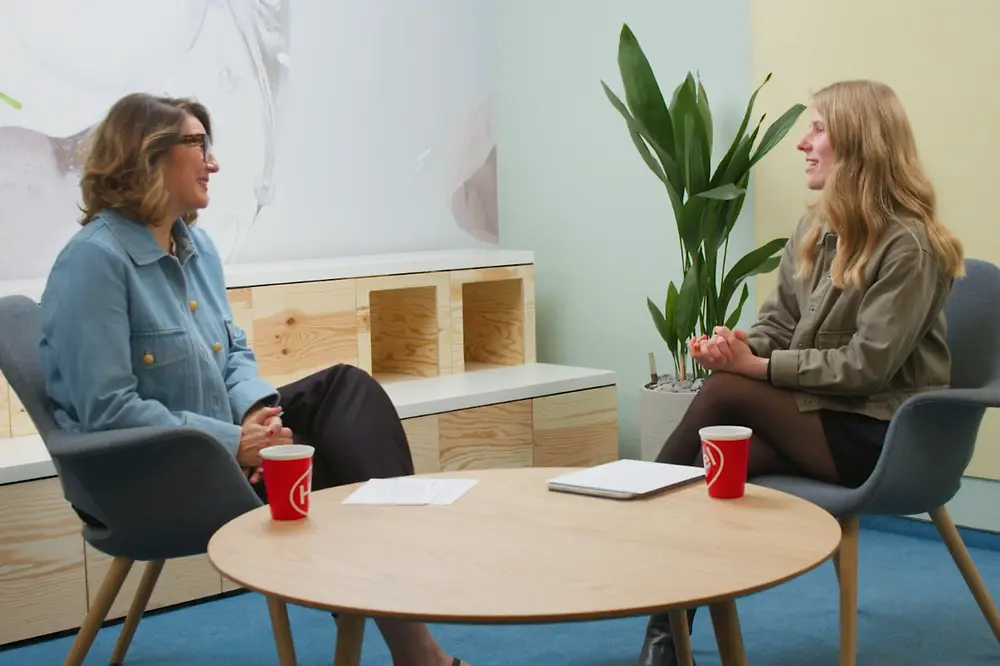
Innovation doesn’t just start with ideas – it requires courage, risk-taking, and a culture where every voice matters. Because what if the best ideas aren´t being voiced? Breakthrough solutions only emerge when people feel safe to share their thoughts – without fear of judgment or failure. For Begona Jimenez Real, Global Corporate Vice President Laundry & Home Care at Henkel, and Vincenzo Tomarchio, Corporate Vice President Research & Development and Global Innovation Design for Henkel Consumer Brands, psychological safety is the key to unlocking creativity within their teams. A conversation about trust, being challenged, learning from failure, and inclusion – and why these principles matter more than ever.
Interview
Sparking fearless innovation

How do you build trust within a team?
Vincenzo: I learned the power of vulnerability during a project to improve a laundry product. The pilot trials looked perfect, but the full-scale test failed completely. The team was looking to me for answers – and I didn’t have them. Instead of pretending, I said: ‘I need help. I don’t know the solution right now, but I believe the expertise to find one is in this room.’ That vulnerability changed everything. People felt empowered to share bold ideas, and together we solved the problem. Admitting that I didn’t have all the answers created trust and unlocked collective intelligence.
Begona: For me, vulnerability became real when I accepted the role of Marketing Director for Germany. I barely spoke German and was leading an experienced, all-male executive team. At first, I tried to hide my struggle, but it didn’t work. So I opened up: I told them I was learning and needed their support. That honesty built trust. They helped me, and I realized that leaders need psychological safety too.
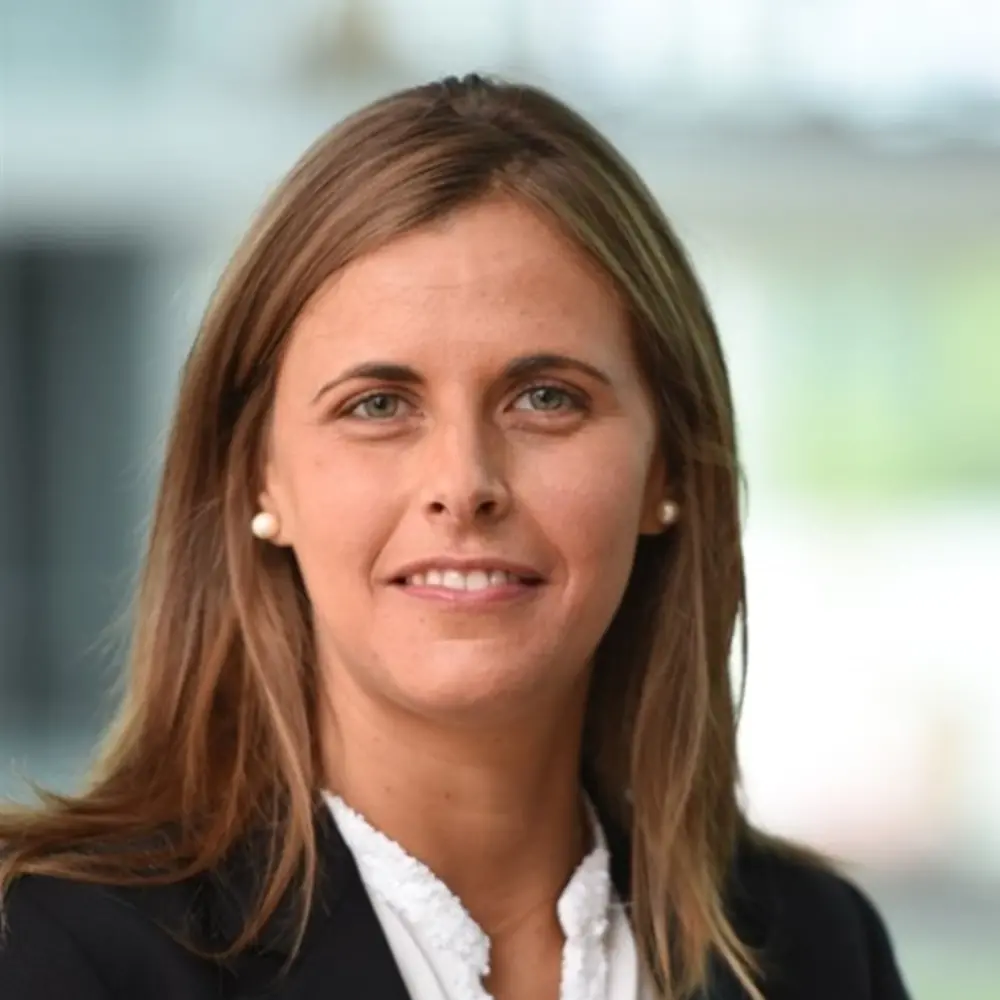
When disagreement centers on the work, it sparks innovation – when it targets people, it can disrupt teams.
Begona Jimenez Real, Global Corporate Vice President Laundry & Home Care at Henkel
Why is openness to challenge so important for innovation?
Vincenzo: I see challenge as a sign of commitment. When someone disagrees respectfully, it means they care. In one case, a colleague questioned my idea for reorganizing R&D. Instead of feeling attacked, I invited him to co-create a better solution. We ended up with a stronger model. Healthy task conflict is vital – as long as it’s done with respect. The language matters: Challenge should never feel like defiance, but like engagement.
Begona: I agree. I appreciate when people challenge me because it shows engagement. For me, the key is how that challenge is delivered. If it’s constructive and focused on the idea, not the individual, it leads to better outcomes. When disagreement centers on the work, it sparks innovation – when it targets people, it can disrupt teams.
One tip to foster psychological safety?
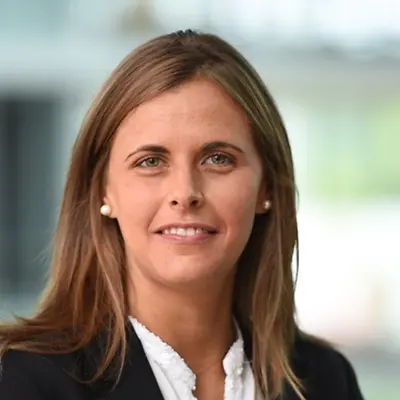
Begona Jimenez Real,
Global Corporate Vice President Laundry & Home Care at Henkel
“Show appreciation – especially for bold contributions. A simple ‘thank you’ can make a huge difference.”
Vincenzo Tomarchio,
Corporate Vice President Research & Development and Global Innovation Design for Henkel Consumer Brands
“When something goes wrong, don’t ask ‘Who’s at fault?’ Ask ‘What did we learn?’ That one question changes everything.”
What does it take to turn failure into learning?
Begona: I love the acronym FAIL – First Attempt in Learning. In my team, we even celebrate failure with a ‘Goat Award’ for the greatest learning opportunity. It turns mistakes into something positive. People share what went wrong and what they learned. It builds psychological safety and makes failure normal and fun. For me, failure is not the opposite of success – it’s part of the journey.
Vincenzo: When you’re truly innovating, failure is expected – and needed. For me, intelligent failure means failing early – and learning fast. I once invested a lot of time into a big consumer test that didn’t deliver the expected results. That taught me to switch to smaller, iterative tests focused on learning, not just validation. It changed how I lead innovation projects and took pressure off the team.
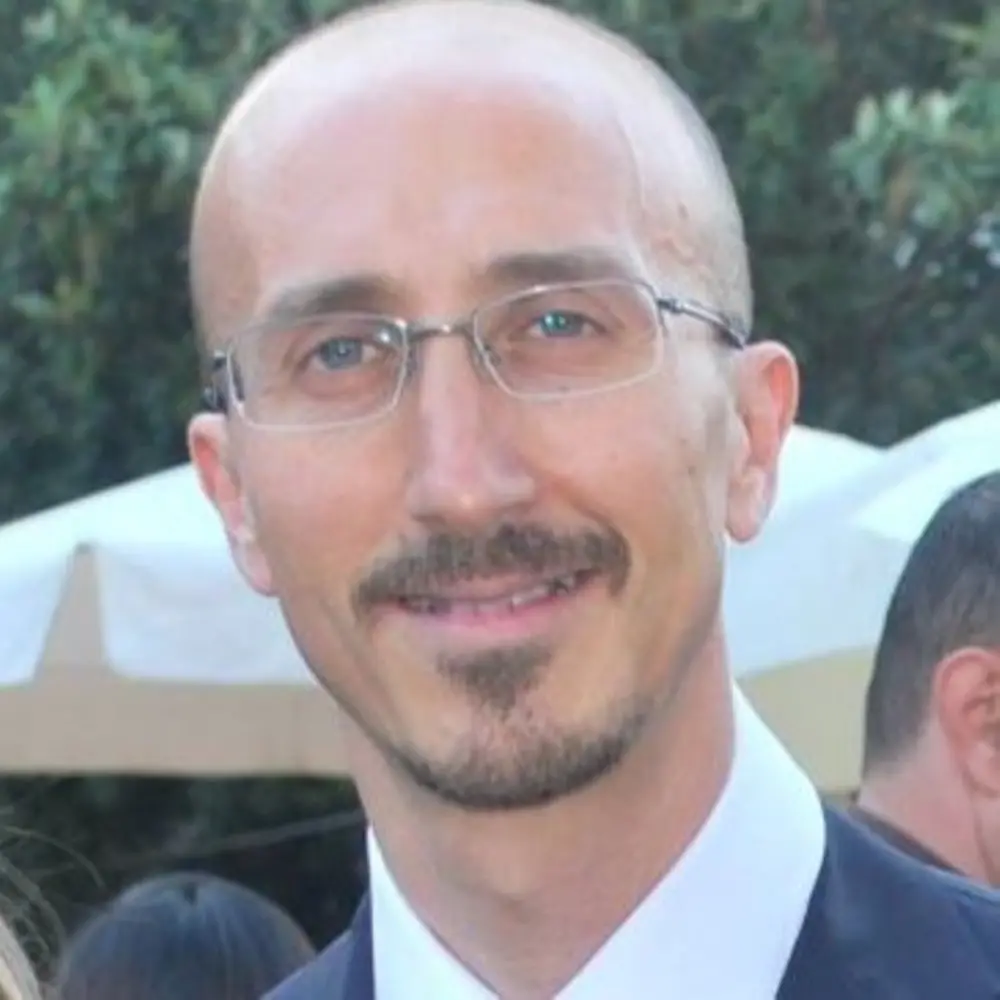
When you’re truly innovating, failure is expected – and needed. For me, intelligent failure means failing early – and learning fast.
Vincenzo Tomarchio, Corporate Vice President Research & Development and Global Innovation Design for Henkel Consumer Brands
How do you make sure every voice is heard?
Begona: I try to make it a point to thank people publicly when they speak up, especially if they don’t usually. That recognition encourages others. And if someone is interrupted, I step in and say: ‘Let them finish.’ It signals that every voice matters. I also use one-on-ones to hear perspectives that might not come out in big meetings.
Vincenzo: I used to share my opinion first in meetings, but I realized that it influences the discussion too much. Now I try to listen first and explain my thought process later. It creates space for diverse perspectives. I also actively ask for feedback. Sometimes the best gift is when people give it without being asked – that shows real psychological safety.
FOSTERING AN
INCLUSIVE WORK ENVIRONMENT
How does mental well‑being shape engagement, culture, and performance at work? In this conversation, our CHRO, Sylvie Nicol, and Maggie Wang, Manager Diversity, Equity & Inclusion at Henkel Adhesive Technologies, discuss why a sense of safety and belonging matters – and how an inclusive and caring work environment helps people thrive. Watch now!
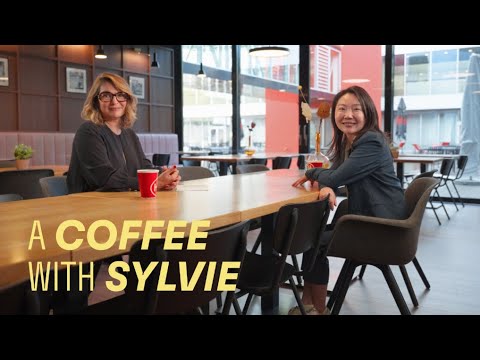

New Work
HOW FLEXIBLE WORK, AGILE PROCESSES, MODERN LEADERSHIP
What sounds like a new lifestyle trend is actually a paradigm-shifting concept for the workplace. New Work is digital, flexible, and democratic. Job applicants and employees are demanding more freedom in terms of where, when, and how much they work. And the New Normal paves the way for more self-determination and self-realization, driven by the digital transformation and smart working models.


1 of 3
SPOTLIGHT
MAGAZINE
MAGAZINE
Discover our features with stories and expert insights on innovation, sustainability, digitalization and Henkel’s pioneering culture.