
Many manufacturers use wooden slats, paper or PVC films as a separating material between the pallet layers. Each of these solutions has structural limitations: wooden slats reduce the edge pressure between the layers of tiles, but do not provide surface protection across the entire area. Paper and PVC films must be inserted manually layer by layer. For more than 15 years, Henkel has been offering polyamide-based hot-melt adhesive spacers. However, these were originally developed for other industrial sectors and require high processing temperatures as well as regular maintenance.
Technomelt AS 4004 was developed specifically for the roof tile market, responding to the limitations of previous solutions. The polypropylene base enables lower processing temperatures. This reduces energy consumption during production and extends the service life of the application heads. As a result, maintenance costs can be significantly reduced compared to the previous technology. The adhesive ensures minimal dust generation on the production line and is characterised by high temperature stability. This is important as pallets covered in stretch film heat up considerably in summer.
Aug 19, 2026 Düsseldorf / Germany
Technomelt AS 4004 reduces transport damage to roof tiles
With Technomelt AS 4004, Henkel introduces its first hot-melt adhesive solution for securing clay and concrete roof tiles during transport. These are stacked in large quantities and transported on pallets. This can result in micro-scratches and chipping, which permanently impair the protective effect of the surface coating. As some tile manufacturers offer warrantees lasting several decades, this presents a significant liability issue. Ultimately, they bear the costs of replacement deliveries and complaints, regardless of whether the damage occurred in their own factory or during transport.
Technomelt AS 4004 is designed to remain dimensionally stable even at temperatures 30°C above the maximum expected transport temperature. It can subsequently be peeled off painted surfaces without leaving any residue. Finally, application is faster and more reproducible than manual separation methods. “The hot-melt adhesive can be applied fully automatically,” says Szabolcs Ottlik, Business Development Manager at Henkel. “In our tests, we achieved a throughput of up to 140 roof tiles per minute.”
Roof tile type, production technology and packaging conditions vary considerably from manufacturer to manufacturer. Henkel addresses this with a comprehensive portfolio of hot-melt adhesives, covering various technological bases, processing temperatures and application methods. In addition to Technomelt AS 4004, tile manufacturers will find other high-performance solutions suitable for bead and spray application, for painted surfaces as well as for untreated tile backs.
With its adhesive technologies, Henkel covers several process stages in roof construction. These include the bonding of vapour barriers and underlay membranes, the sealing of roof components made of wood, metal and plastic, as well as system solutions for insulation boards and composite elements in flat roof applications. “There is no single adhesive that can do everything in roofing. Our approach is therefore different: to develop the product that really works for each process stage,” says Szabolcs Ottlik. “Our new spacer Technomelt AS 4004 exemplifies this approach, with which we are continually expanding our roofing portfolio.”
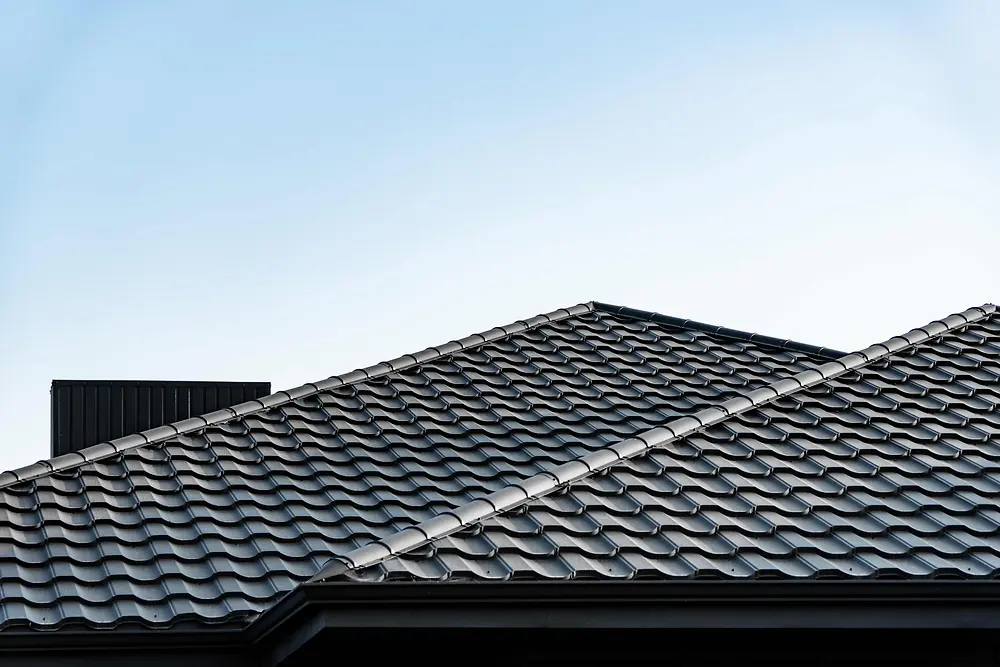

Technomelt AS 4004 was developed specifically for the roof tile industry.
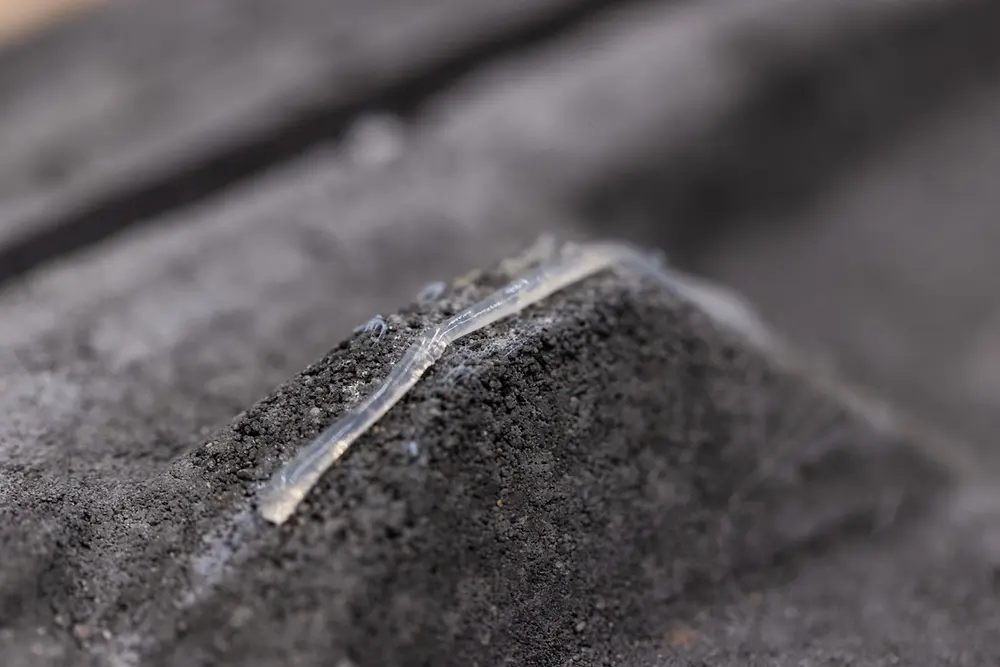
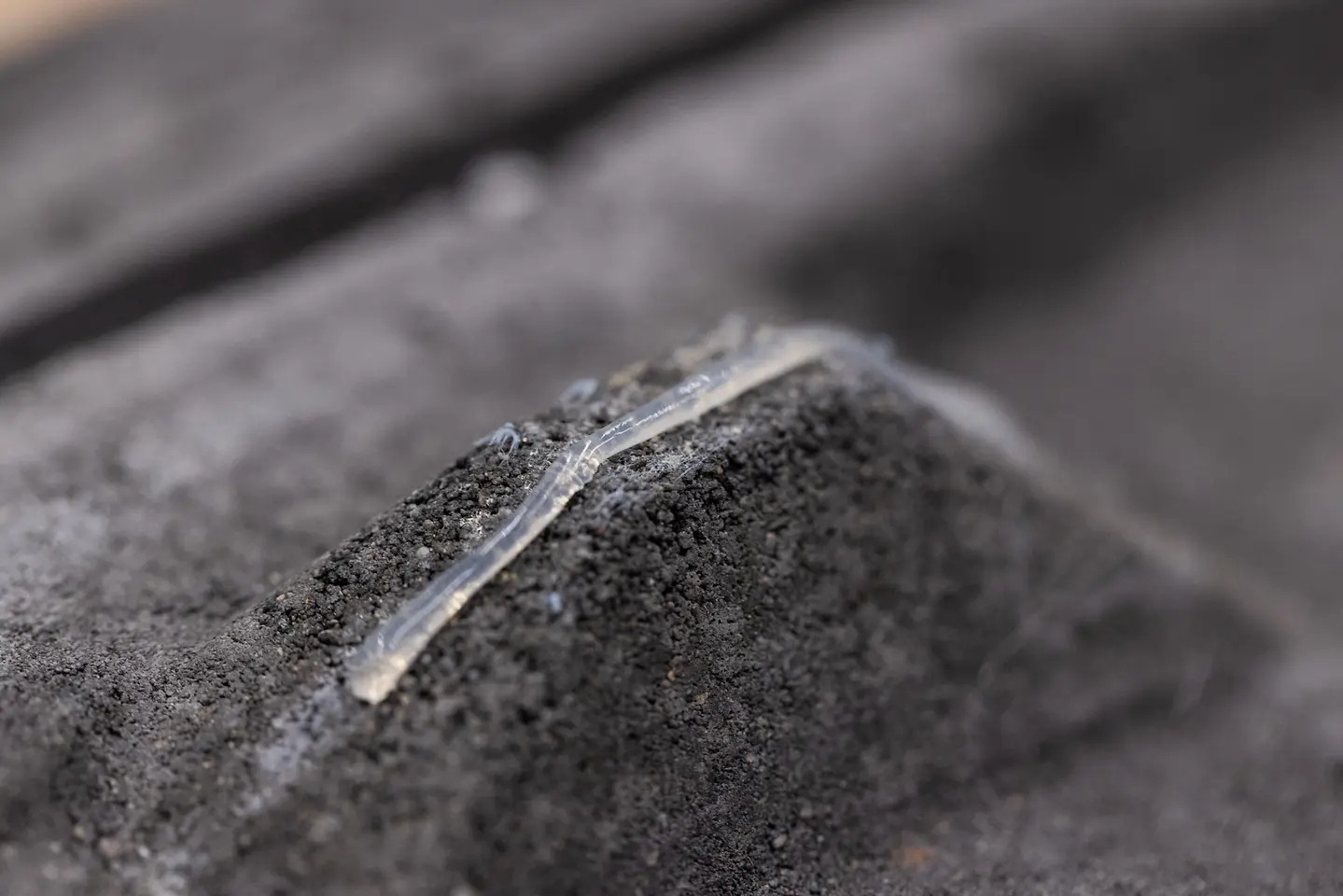
The hot-melt adhesive can be applied fully automatically. In tests, Henkel achieved a throughput of up to 140 bricks per minute.
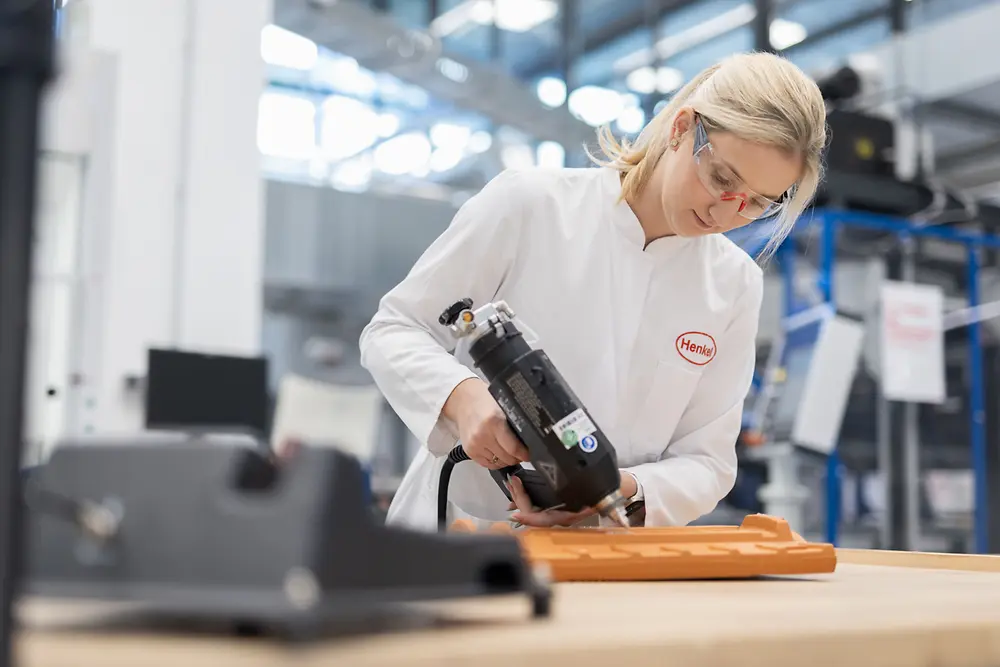
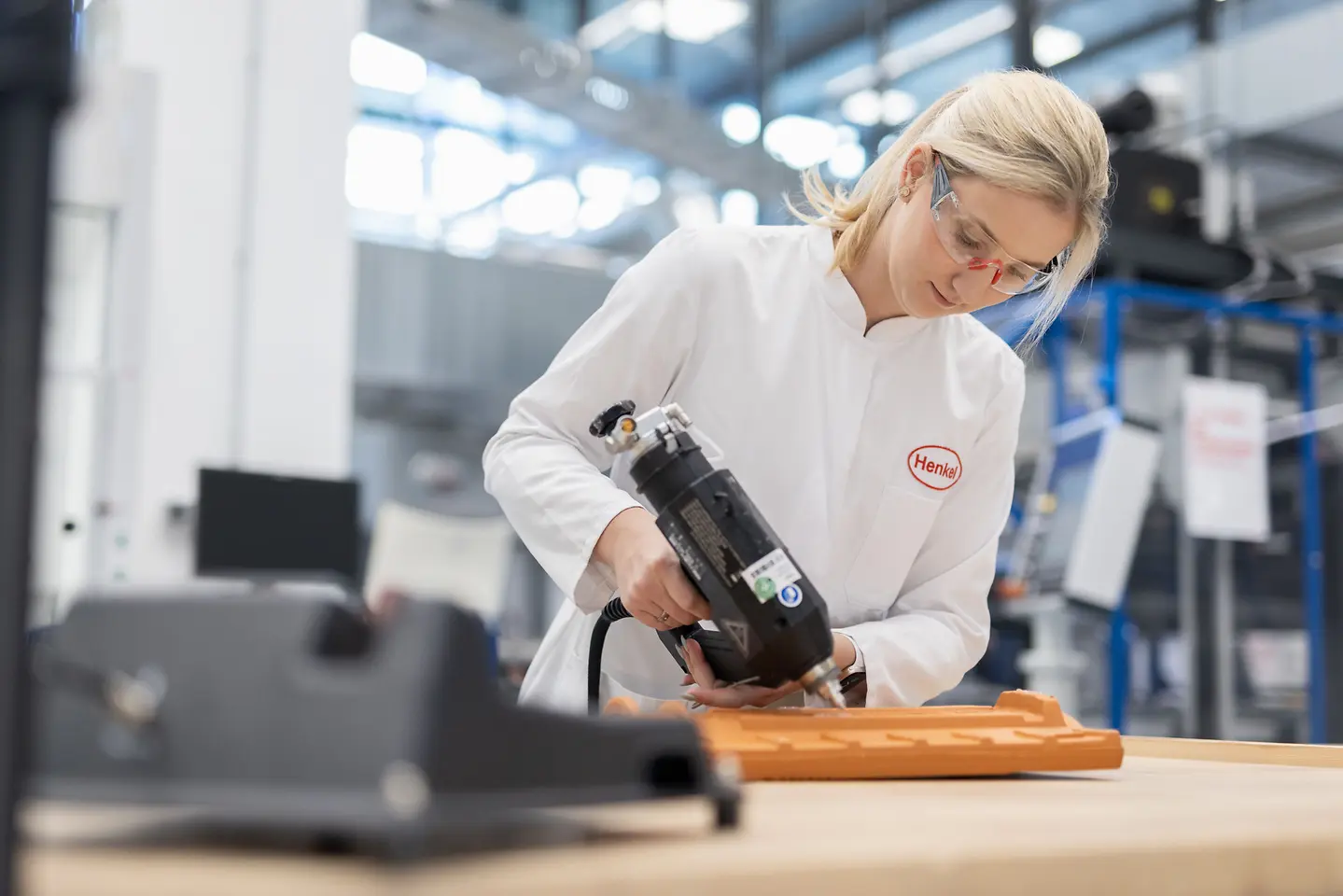
Technomelt AS 4004 is designed to retain its dimensional stability even at temperatures 30°C above the maximum expected transport temperature.
