our path to net-zero
CLIMATE
At Henkel, we are committed to the UN’s global Paris Agreement on Climate Change that aims to limit global warming to well below 2 degrees Celsius above pre-industrial levels. Achieving this ambitious target will only be possible if governments and companies embrace this challenge as an opportunity to drive innovation and explore visionary ideas.

Henkel aims to reach net-zero greenhouse gas (GHG) emissions across its entire value chain by 2045. After that, Henkel intends to neutralize any residual emissions that cannot be fully avoided through permanent carbon removal in line with the requirements of the Science-based Targets initiative. This plan follows the 1.5 degrees Celsius climate target and focuses on reducing negative environmental impacts. Henkel will reduce its total direct and indirect GHG emissions step by step.
Targets
Committed to climate protection
To us, net-zero is a holistic transformation of our entire organization and our culture. Our Climate Transition Plan serves as a key element of our climate change mitigation approach. It outlines our corporate near-term and net-zero targets, as well as the emission reduction activities that aim to achieve these targets.
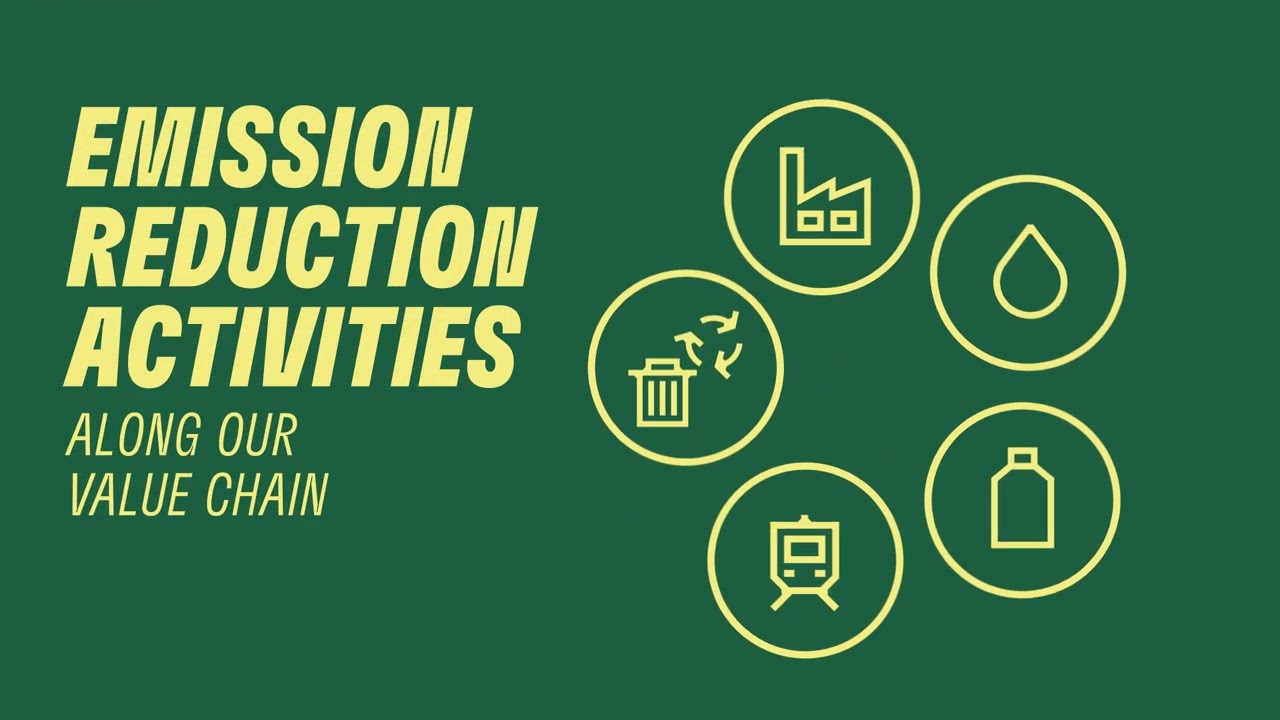
Emission reduction along our value chain
We strive to reduce GHG emissions in our direct operations. We also seek to reduce GHG emissions from upstream and downstream value chain activities by focusing on eco design, low-emission materials, supplier engagement and carbon-efficient logistics.
Carbon-neutral production
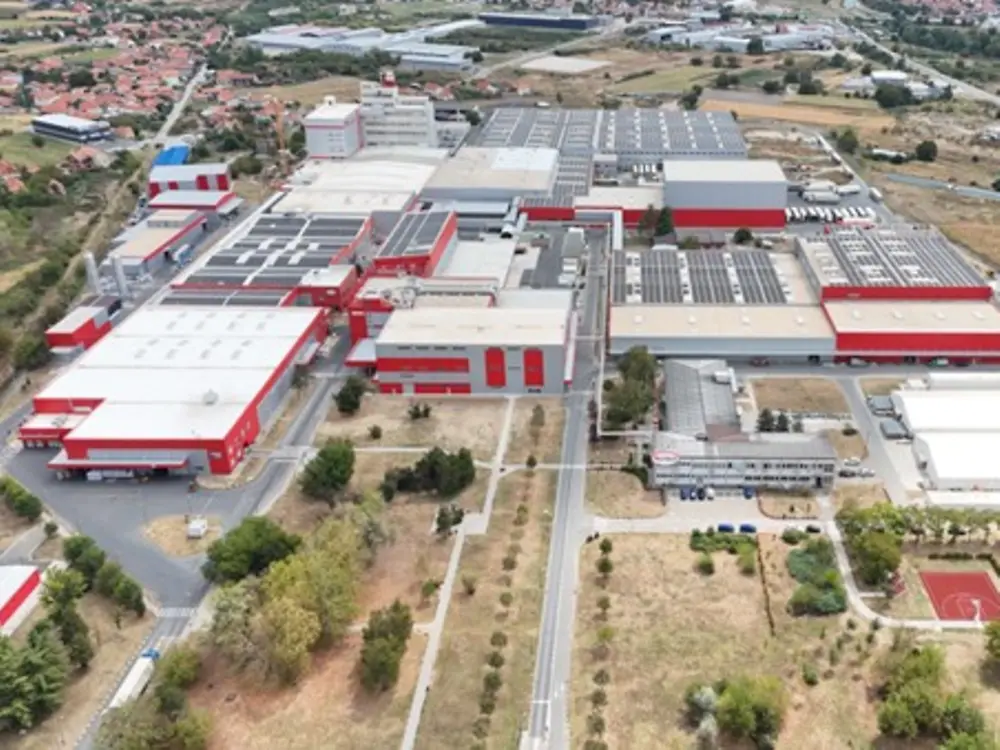
For the energy we consume, renewable self-generation is always a priority. With more than 13,000 solar panels covering an area the size of four soccer fields, Henkel’s largest solar power plant at our site in Kruševac, Serbia, generates over 6,000 MWh of green electricity annually – enough to power around 4,000 European households.
Compact product
formats
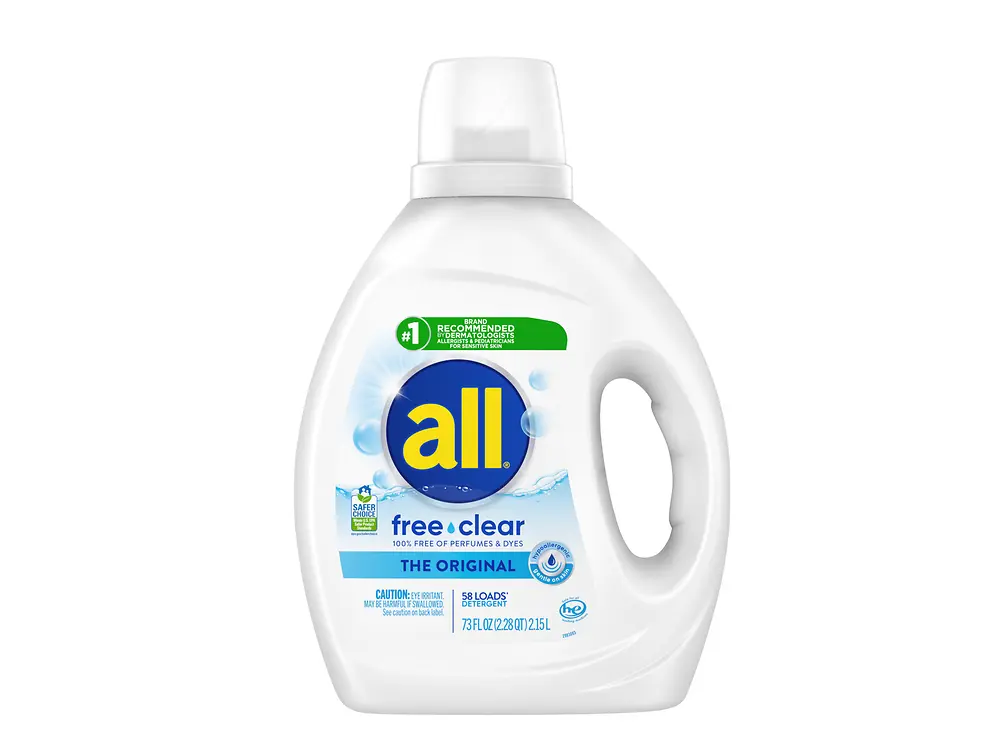
Compact product formats and packaging enable the reduction of GHG emissions, for example, during logistics. This is because smaller bottles make it possible to fit more cases on each pallet, which results in fewer trucks needed. In 2025, compact formulas and packaging for our all, Persil and Snuggle brand liquid laundry products in North America helped to save 4,000 tons CO2 from transportation emissions and 1,300 tons of plastic annually.
Emission reduction in the use phase
Emissions generated during the use phase of our products are very difficult for us to influence due to their indirect nature. For this reason, they are excluded from our net-zero target boundary. However, the scale of these emissions is still very significant. To address this point and live up to our responsibility, efforts to reduce these emissions are an important objective of our climate strategy. We approach this from two perspectives: First, we develop innovations that optimize the properties of our products. And second, we engage with customers and consumers to foster energy-efficient and sustainable utilization and disposal of our products.
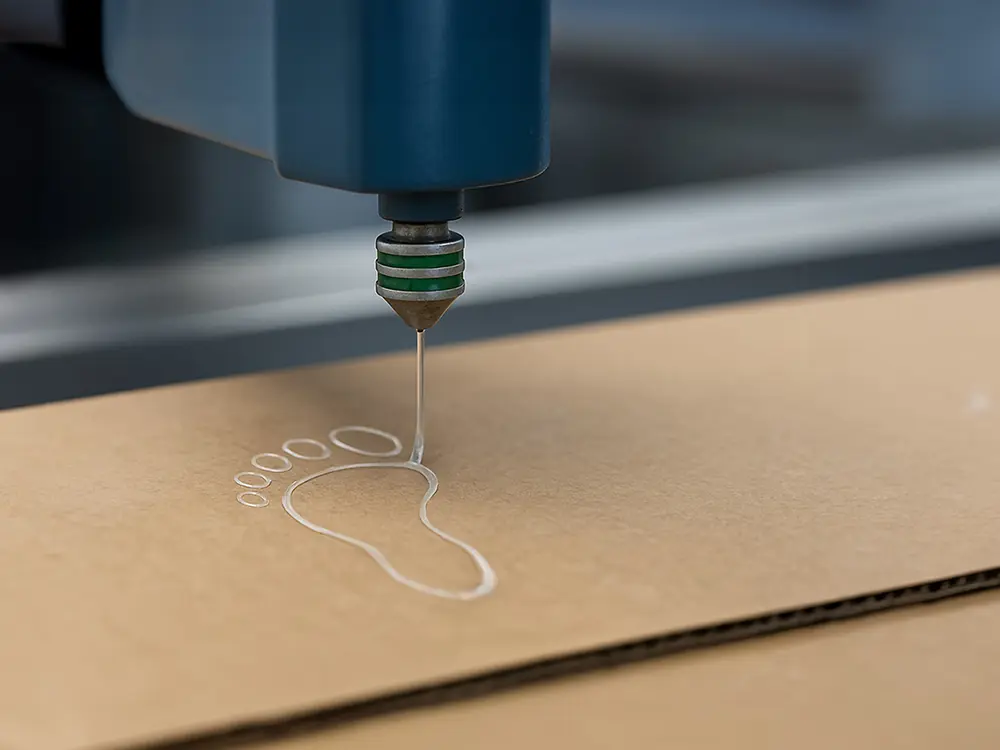
Lowering emissions of adhesives during application
Our Adhesive Technologies business unit shows how measurable sustainability and proven performancecan go hand in hand with the optimized Technomelt Supra 130 Cool hot-melt adhesive. The product is nowmanufactured with at least 20 percent lower carbon emissions, calculated across the entire cradle-to-gatevalue chain. It still delivers the same reliable product performance.
"It starts with us“ –
next- level consumer involvement
Our Consumer Brands business unit launched the “It starts with us” initiative in 2023. It is designed to empower consumers to adopt more sustainable habits and to reduce CO₂ emissions in the use phase of our products. By promoting simple, tangible hacks like lowering water temperature or shortening shower times, we empower consumers to make small changes with a big impact.
Explore how we drive transformational impact
for the good of generations
for the good of generations
Explore how we drive
environmental impact
environmental impact
We are on a journey toward an environmental transformation of our business model through setting measurable targets and taking concrete actions on climate, circularity and nature. In addition to our focus on a net-zero future and climate change mitigation measures, we aim to contributing to a functional circular economy and reducing our impacts on nature and biodiversity.