ADVANCING CIRCULARITY
Circularity
Decoupling economic growth from the consumption of finite natural and fossil resources as well as developing a circular economy are key parts of any successful approach to sustainable value creation. We support the transition to a circular economy, and we integrate circularity principles into our product lifecycle – while also innovating together with our partners along the entire value chain.

Henkel is striving to embrace circular economy strategies that help shape our business and support resilient, long-term success. Moving from a linear to a circular model can only succeed if the circle is closed, so waste and value leakage are avoided. We aim to directly contribute and be part of collective action to close that circle.
Henkel is in a special position in this context because we are a material user (for example, for packaging of our consumer goods) and a technology solutions provider to many other industries (through our adhesive technologies). This shapes our commitment to advancing circularity across the entire value chain. Our approach integrates circular design principles, responsible operations, innovative logistics, and consumer engagement to promote resource efficiency and reduce resource consumption and waste across the value chain.
Targets
Commitments
* Excluding dangerous goods.
** Excluding dangerous goods and products where ingredients or residue may affect recyclability or pollute recycling streams.
PACKAGING SOLUTIONS DESIGNED TO SUPPORT CIRCULARITY
Our strategy of promoting a circular economy for packaging is built around three pillars:
Intelligent packaging design and reduction of material
Sustainable packaging solutions are an important driver to create an efficient and cost-effective circular economy. We consider design for recycling in the design stage of packaging. This sets the base for keeping valuable material in the loop. Furthermore, our goal is to reduce the amount of packaging material we use to a minimum without compromising the quality, performance or safety of our products.
Use of RECYCLED AND RENEWABLE materialS
Henkel constantly works on increasing the share of recycled content in packaging. We also aim to use packaging made from other renewable sources, for example bio-based raw materials. The most widely used packaging materials made from renewable raw materials are paper and cardboard. While bio-based plastics are not yet widely used across our packaging portfolio, Henkel explores and tests innovative material solutions in selected applications and monitors technological developments to assess future opportunities for broader adoption.
Closing the loop together
We partner with organizations from along the packaging value chain to drive progress for improved recycling infrastructure. Our ambition in line with the framework of Extended Producer Responsibility (EPR) is to help prevent the unregulated disposal of packaging waste.
Circular business transformation
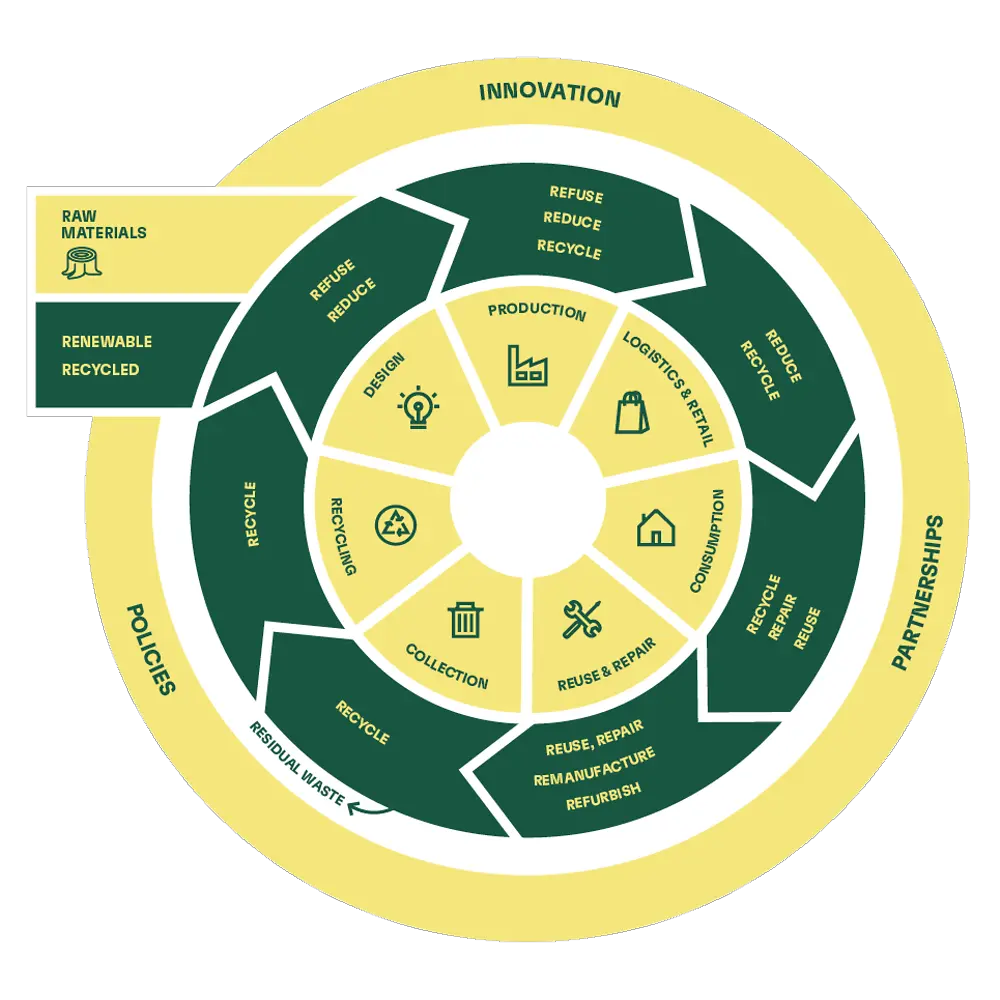
In line with our strategy, we strive to apply circular economy principles at every stage of our value chain. This is illustrated by the graphic. It shows that different measures are taken at various stages, such as design for recycling, reducing waste in operations, or enabling repair or remanufacturing with our adhesive products.

Raw Materials
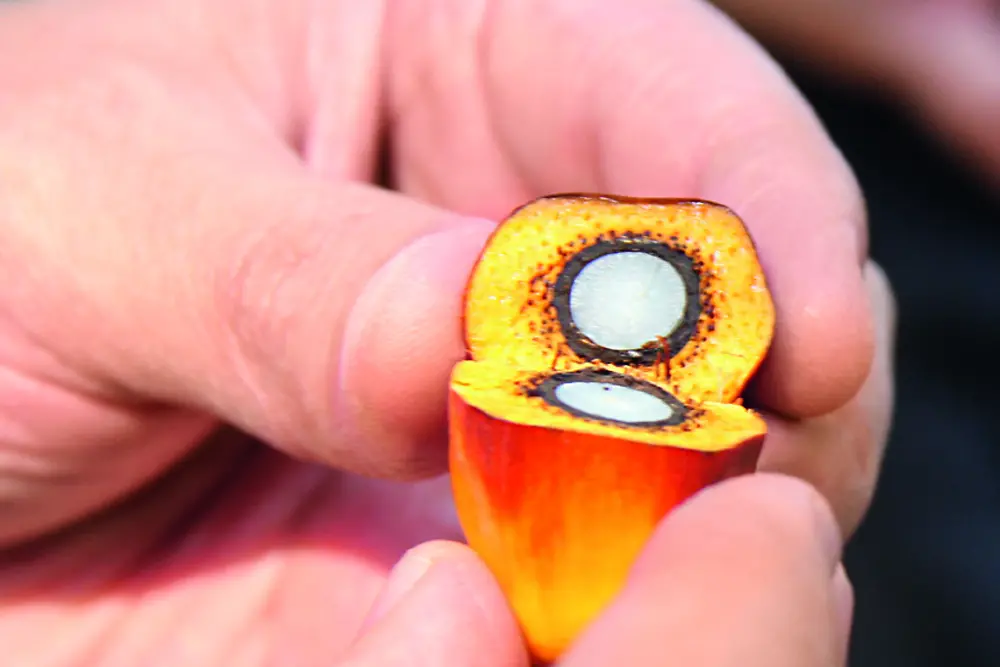
We are committed to increasing the share of non-fossil materials for our raw materials and our packaging materials. This includes biobased materials, recycled materials, and materials based on carbon dioxide. Biobased materials offer a particular capacity to reduce our virgin material footprint, while also contributing to the reduction of greenhouse gas emissions at the end-of-life stage. For materials derived from nature, for example palm oil, we place a special focus on responsible and sustainable sourcing.

Design
We work in line with circular design principles that favor renewable raw materials and prioritize minimal packaging material usage. Examples include using smaller caps or thinner bottles as well as developing compact formulas that enable smaller bottles. Recyclability is also emphasized from the outset. Approaches here include utilizing monomaterial packaging solutions, and prioritizing critical enablers such as material composition, color, and label attributes. As a material manufacturer within our packaging business, we actively support our customers in enhancing recyclability. We develop oxygen barriers for monomaterial packaging as well as sealants that maintain the recyclability of paper. Ecodesign activities also include enabling our consumers to achieve excellent washing results when using increasingly concentrated dosages at lower temperatures or in cold water. In our innovation process, new products are systematically analyzed, measured and evaluated using various tools. Life cycle analyses enable us to identify and implement improvement potential during product development.

Production
We are focusing on avoiding waste and increasing recycling at our sites, while also working closely with our partners in the value chain – suppliers and customers, as well as recycling and disposal companies. Our initiatives are centered around three key areas: reducing material consumption and waste generation (solid waste as well as wastewater), reusing materials, and recycling materials. For example, sourcing components in bigger batches helps to reduce packaging waste. For remaining residual waste we support facilities that convert waste into energy, reducing the need for landfill disposal and providing an alternative energy source. As part of the training on Safety, Health, and Environmental (SHE) Standards at our sites, our employees and subcontractors’ workers are instructed on disposal, safe management of hazardous substances, solid waste reduction, separation, and sorting procedures.

Logistics & Retail
We contribute with adhesive palletizing solutions that significantly reduce the need for stretch film during logistics and retail. Our innovations also extend to consumer-facing logistics, such as our paperbased multipack holder that is used for soft drink cans, and replaces conventional plastic solutions. We have also developed a fully recyclable paper mailer for e-commerce applications, that combines circular design principles and functionality.

Consumption
We help consumers to engage in more responsible practices such as water conservation, recycling, and repairs or upcycling. In our Consumer Brands business unit, we launched the initiative “It starts with us” to encourage resource-efficient behavior when using our products. Thereby we aim to provide consumers with all the information they need to safely use and properly dispose of products.

Reuse & Repair
We want to contribute to avoiding the use of new materials and to extending product life. At Henkel we enable repair with our products – including Loctite superglues at home and solutions for the automotive industry for debonding car parts. Henkel develops technologies that enable reuse and repair of products through de-bondable and re-bondable adhesives, as well as solutions that increase the durability of products. In order to enable reuse of packaging, Henkel has selected projects in place such as the Authentic Beauty Concept refill bar in professional hair salons or the refill bottles for our Dial liquid handsoap in North America.

Collection
We advocate for effective eco-modulation within Extended Producer Responsibility (EPR) schemes. In this way, we aim to strengthen regulatory frameworks for reducing packaging material weight and improving packaging recyclability at end-of-life. We are driving collection and recycling systems that deliver traceable and measurable volumes through robust supporting infrastructure. This allows packaging waste at the end of its life cycle to be recycled and become available as post-consumer recycled material that can replace fossil-fuel-based virgin plastics. End-of-life product stewardship activities are closely monitored to ensure compliance and transparency throughout the process of collection, sorting, and recycling.
Recycling
At the end-of-life stage, we contribute to closing the loop by continuously increasing the share of recycled materials in our packaging.
Raw Materials

TECHNOMELT SUPRA 079 ECO COOL: BIO-BASED HOT-MELT ADHESIVE
Our products are designed to help reduce energy and material use in production processes. In 2024, Adhesive Technologies introduced a solution that for the first time combines bio-based materials derived from biomass with low temperature adhesives: Technomelt Supra 079 Eco Cool contains 49 percent bio-based raw materials and 30 percent ISCC certified mass-balanced bio-based raw materials. It is used to bond folding cartons, trays and wrap-around packaging at lower processing temperatures than standard applications.
Design
RECYCLABLE PACKAGING ON THE RISE FOR CONSUMER BRANDS
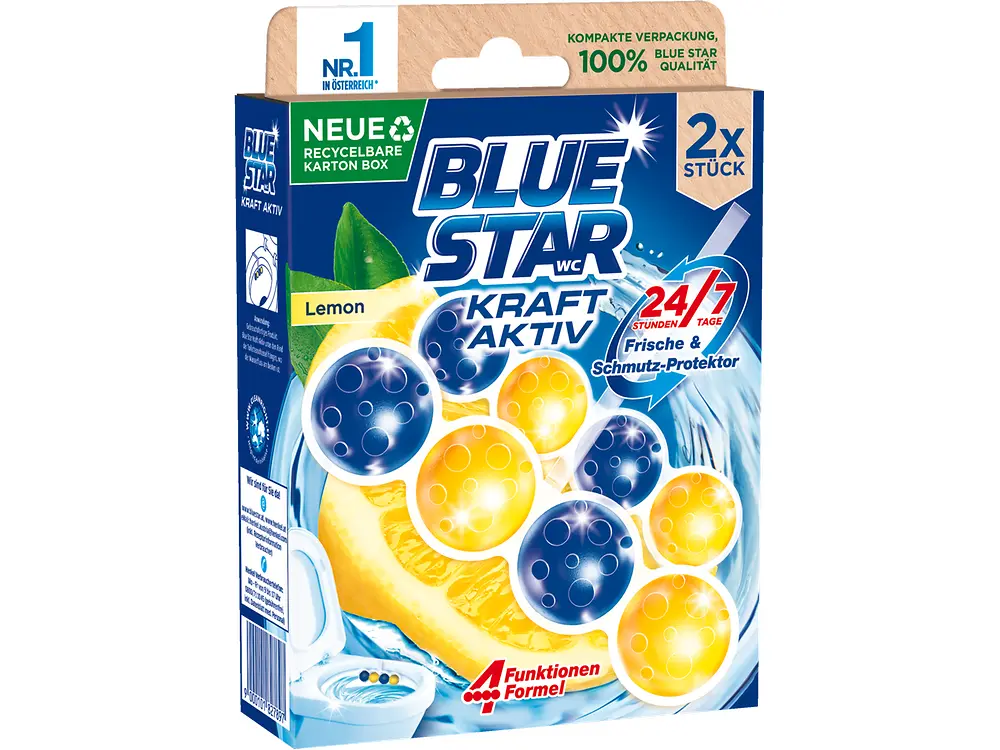
Henkel strives to meet the clear demand from consumers for more sustainable packaging. In Austria and the Netherlands, we shifted our packaging of our toilet rimblock products from a non-recyclable plastic-paper blister packaging to an innovative paper packaging, that is fully recyclable in the paper waste stream. With this move we improved recyclability and also achieved a 45-percent combined reduction in CO2 emission on distribution, logistics, and packaging. This new packaging has won the German Packaging Award in 2025 for its combination of recyclability and fragrance barrier.
Production
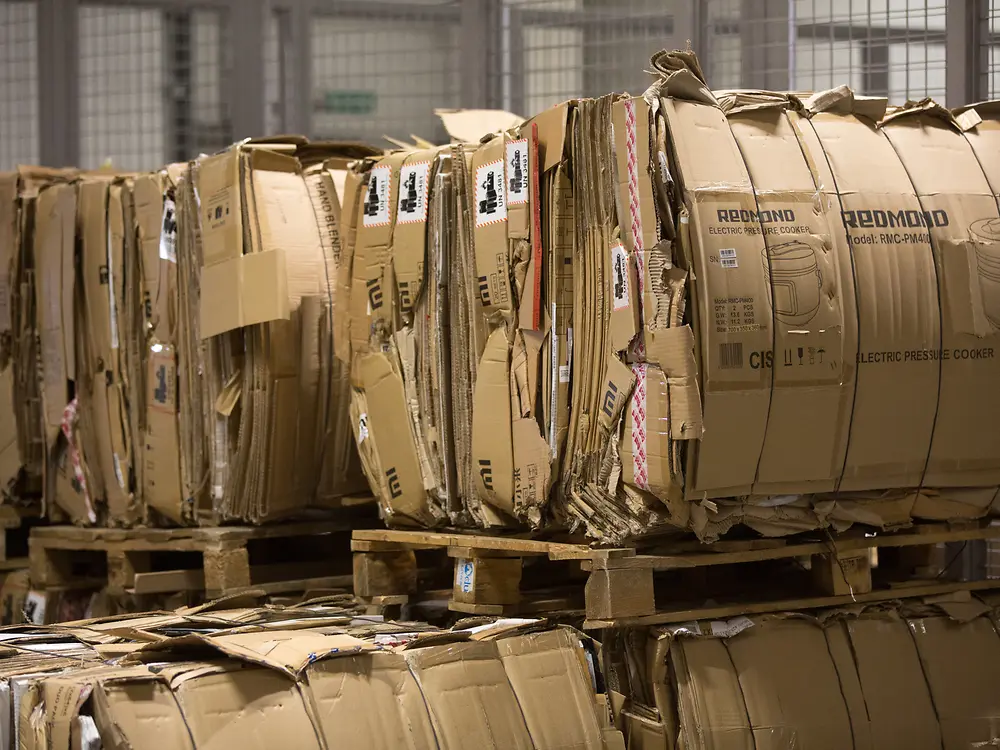
HIGH QUALITY OUTBOUND RECYCLING CONTINUES TO GROW
We support direct reuse and recycling with High-Quality Outbound Recycling (HQOR) at several of our production facilities. This means we improve circularity and provide high quality raw materials for other industries. In Mexico, Adhesive Technologies reduced waste by 727 tons due to the high-quality recycling practices. At various Consumer Brands production sites in the EU, we practice recycling initiatives for silicone carrier paper from self-adhesive labels, resulting in more than 5,000 tons of paper recycled to date.
Logistics & Retail
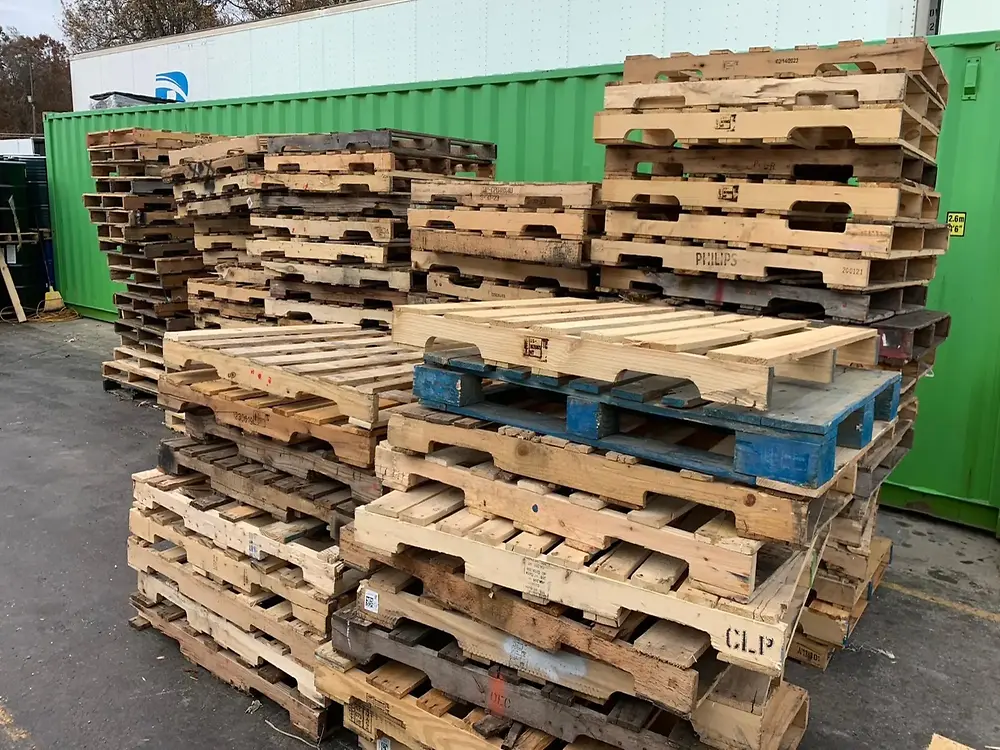
REUSE OF
WOODEN PALLETS
Henkel North America took measures for waste circularity that aimed to keep materials in the supply chain last year. It found innovative ways to reduce, reuse and recycle materials. In Henkel’s facilities in Greenville and Enoree, for example, our team continued the partnership with a local animal rehabilitation nonprofit organization, Izzie’s Pond, by donating 130,000 lbs of used and broken pallets. Izzie’s uses the proceeds from these pallet donations to fund their efforts to rehabilitate and release animals. In addition, during Henkel’s Community Impact Day, colleagues from both sites built a fox enclosure.
Consumption
“IT STARTS WITH US” NOW CAMPAIGNING FOR CIRCULARITY
We launched “It starts with us” in 2023. It is a campaign that empowers consumers to build more sustainable habits. In 2025, we took the next step with the “It starts with us Circularity Program.” This global initiative is designed to promote responsible waste habits, empower communities, and foster a circular future. The journey begins in Algeria, where local NGO Nrecycli is engaging students and families with hands-on information about waste sorting and recycling. Next, WWF in Türkiye, YLE Foundation in Egypt and Promesa in Mexico will pilot educational programs and positive behavior initiatives with households, students and young adults – guided by a science-based model.
Reuse & Repair
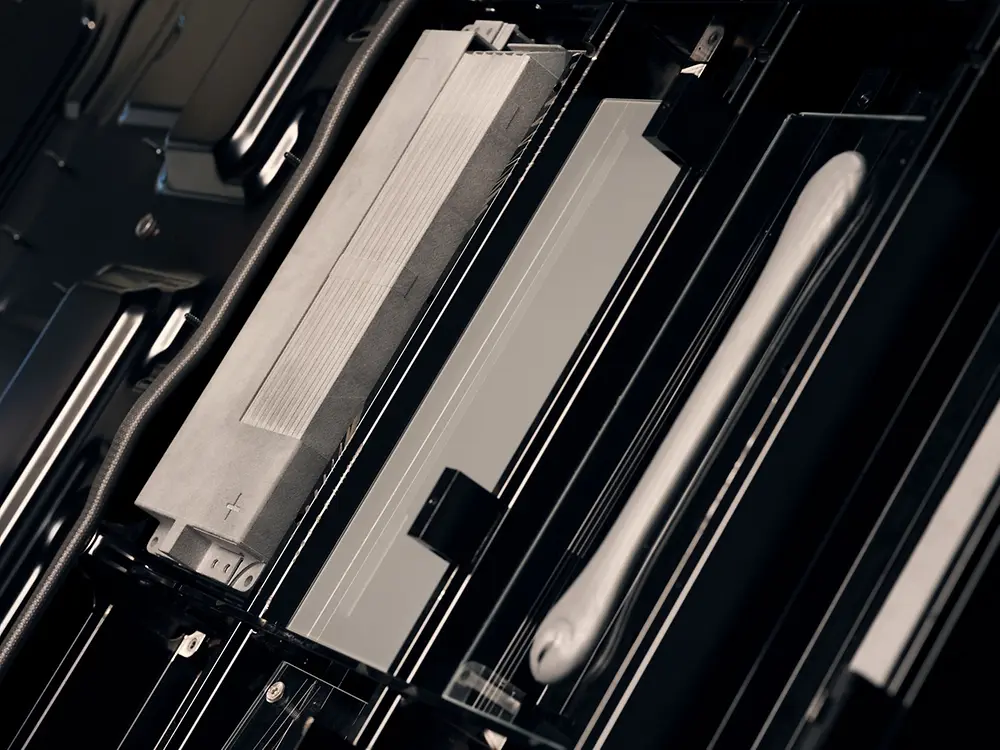
BREAKTHROUGHS IN EV BATTERY RECYCLING
Range, safety, costs, and recyclability are among the rising demands facing the design of batteries in electric cars. The continued development of these technologies is becoming a decisive success factor and will influence the future of e-mobility. Henkel’s portfolio of adhesives, functional coatings, thermal management and sealing solutions is a key enabler of safer, more efficient and more sustainable electric vehicle (EV) batteries. Debonding, in particular, allows for the clean separation, preservation, and reuse of individual components. Henkel’s breakthrough debonding technologies are simplifying battery disassembly and repair to support end-of-life and in-service repairs, second-life applications, and end-of-life recycling.
Collection
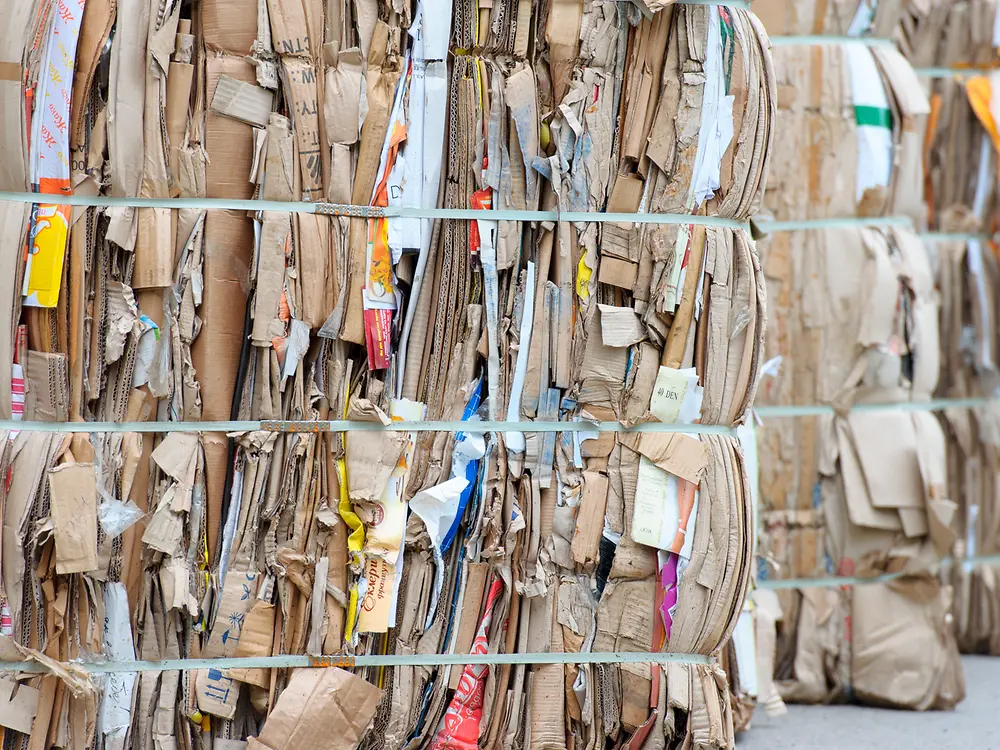
MORE RECYCLED CONTENT IN CERESIT CONSUMER PACKAGING
In 2025, the Adhesives Construction business accelerated its shift toward sustainable packaging by integrating post-consumer recycled (PCR) plastic across key product lines and regions. In Mexico, selected packaging from the Fester A range now contains over 65 percent PCR. In Eastern Europe, products CE40 and CE43 now feature more than 50 percent PCR in their packaging. Thanks to these initiatives, the business area Adhesives Construction reached its target of 12 percent recycled content in the plastic packaging of its consumer products globally in 2025. With numerous projects already underway, we aim to increase that share to 45 percent by 2028.
Recycling
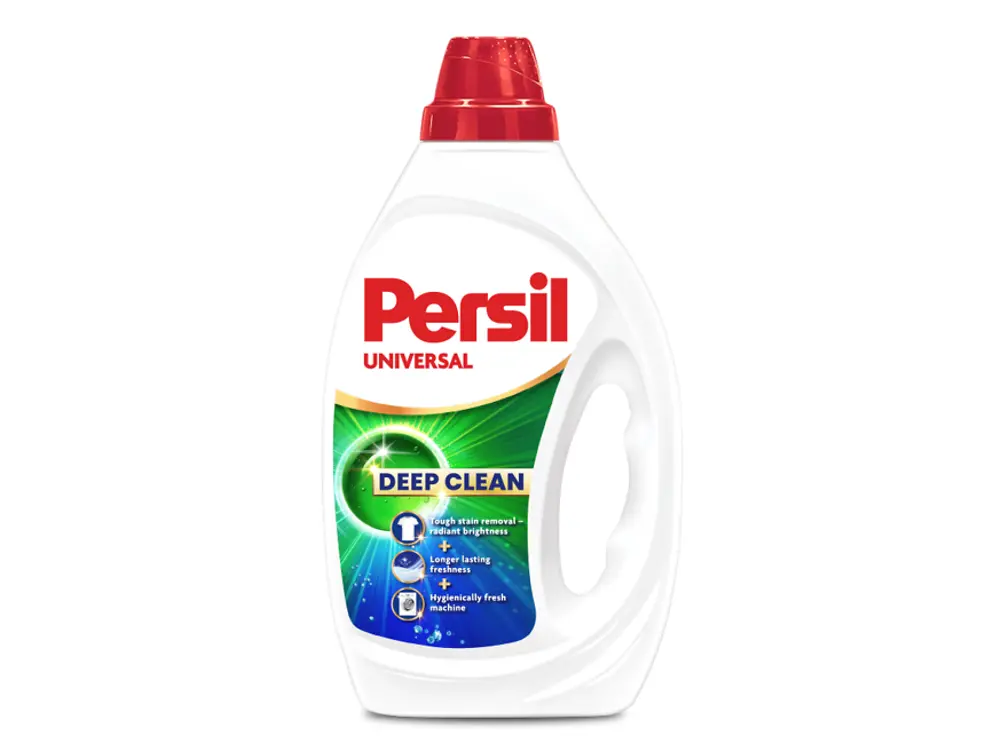
INCREASING SHARE OF RECYCLED LAUNDRY DETERGENT BOTTLES
Henkel increased the recycled content share in the bottle bodies for our liquid laundry detergent products in multiple regions last year. Across Europe our liquid laundry detergent bottle bodies (up to 3 litres) for brands such as Persil, Spee, X-TRA and Le Chat are made with 65 percent post-consumer recycled (PCR) plastic. In Australia and New Zealand, we increased the share from 50 percent to 75 percent PCR across bottle formats of 4 litres and smaller. And since 2025, all our liquid laundry detergent brands in North America have included at least 50 percent recycled plastic for the bottle bodies.
1 of 8
Collaboration and partnerships

1 of 20
Explore how we drive transformational impact
for the good of generations
for the good of generations
Explore how we drive
environmental impact
environmental impact
We are on a journey toward an environmental transformation of our business model through setting measurable targets and taking concrete actions on climate, circularity and nature. In addition to our focus on a net-zero future and climate change mitigation measures, we aim to contributing to a functional circular economy and reducing our impacts on nature and biodiversity.