Every decision we make is guided by central questions such as: How do we align sustainable business practices with entrepreneurial success? What progress are we making on climate action? How do we build a circular economy that conserves resources and keeps materials in use for as long as possible? And how do we, as a company, contribute meaningfully to society? All of these questions are closely interlinked. Together, they shape our direction and define how we act – in our daily operations and in our long-term strategy. They reflect our ambition to continuously transform our company with a future‑ready mindset. Our sustainability strategy builds directly on this foundation and is rooted in our company purpose: Pioneers at heart for the good of generations. We aim to develop solutions that deliver long-term value for people, industries, and the planet – driven by innovation, foresight and scientific expertise.
Sustainability & ResponsibilityHow Henkel is turning ambition into action for people and planet

On the road to net-zero
The effects of climate change are no longer distant scenarios – they already shape our everyday lives: record-breaking heatwaves, increasingly frequent extreme weather events such as hurricanes and floods, and the visible retreat of ice sheets. In 2015, the global community committed to limiting global warming to 1.5°C under the Paris Agreement – because beyond that threshold, entire regions of our planet could become difficult, if not impossible, to inhabit. Acting now is essential if we want to preserve a thriving planet for generations to come. Reaching global net-zero by 2050 is a shared mission – one that demands determination, collaboration, and innovation. This is why, at Henkel, we continue to develop future-ready sustainability approaches. With our Climate Transition Plan, we have created a clear roadmap for how we intend to reduce emissions across our entire value chain – step by step, and with long‑term perspective.
Net-zero is about ensuring that the actions of individuals and companies have no impact on the climate. The fundamental idea behind it is to cause fewer emissions and to offset the remaining ones. To achieve this, emission strategies must be changed.
Dirk Ullrich, Climate and Nature Expert at Henkel
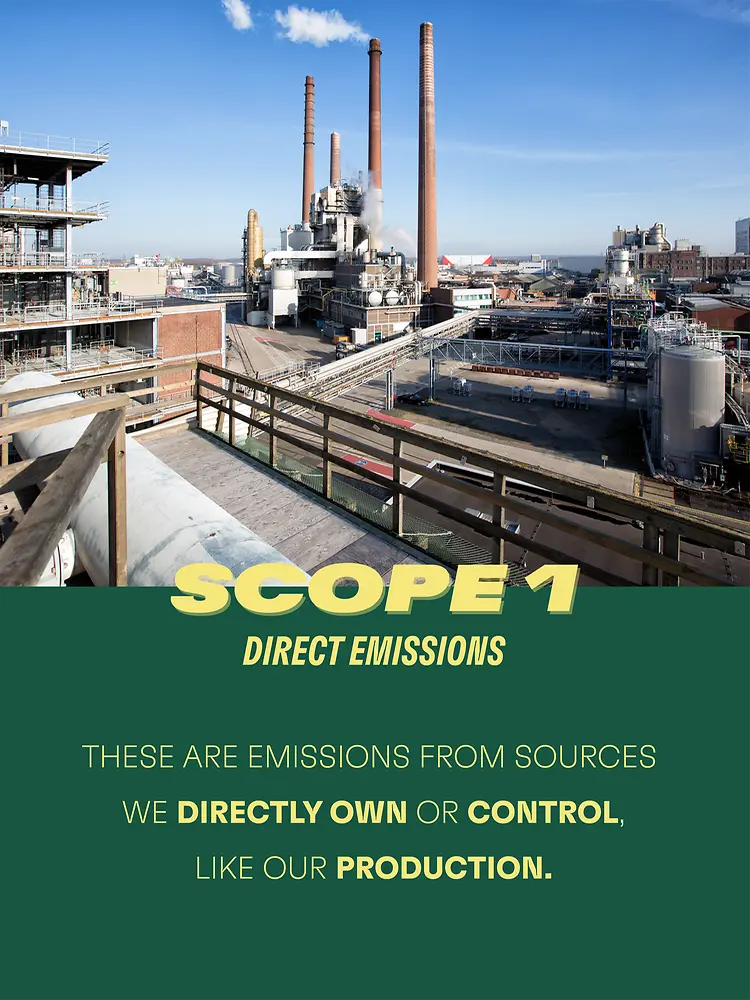
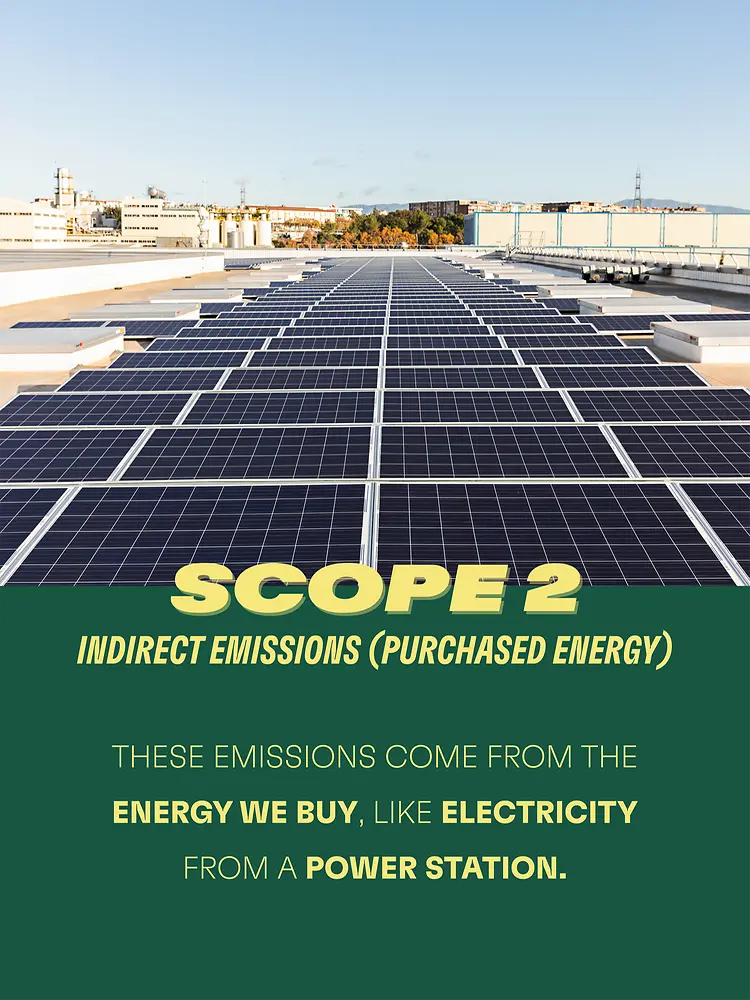
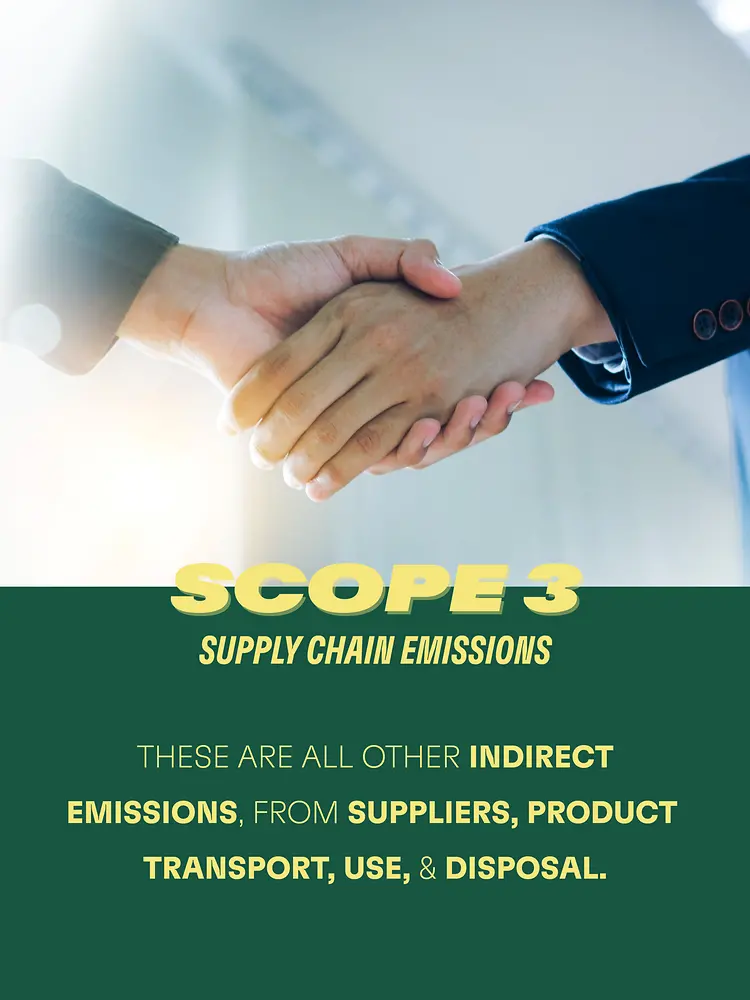
We are transforming the way we produce, design, and source – making our operations, products, and supply chains increasingly more sustainable. That means improving energy efficiency, switching to renewable energy, using more sustainable materials, and advancing a circular economy wherever possible. At the same time, we work closely with partners to reduce emissions across the full value chain and invest in solutions that remove greenhouse gases from the atmosphere for the long term. A central pillar of our sustainability strategy is our net-zero ambition: By 2045, we aim to reduce our greenhouse gas emissions by 90 percent. This target has been validated by the Science Based Targets initiative (SBTi) – an organization supporting companies in defining credible, science-aligned pathways to reduce emissions. Based on this validation, we have set interim milestones that help us track and accelerate our progress. To reach these milestones, we need a precise understanding of where emissions occur – because targets only create impact when they are measurable. That is why we track our emissions across the so-called scopes 1, 2, and 3. These insights guide the concrete steps we take to cut emissions and play our part in limiting global warming to 1.5°C – while helping to shape a more responsible and future-ready economy.
Driving sustainability across the supply chain – together with our partners
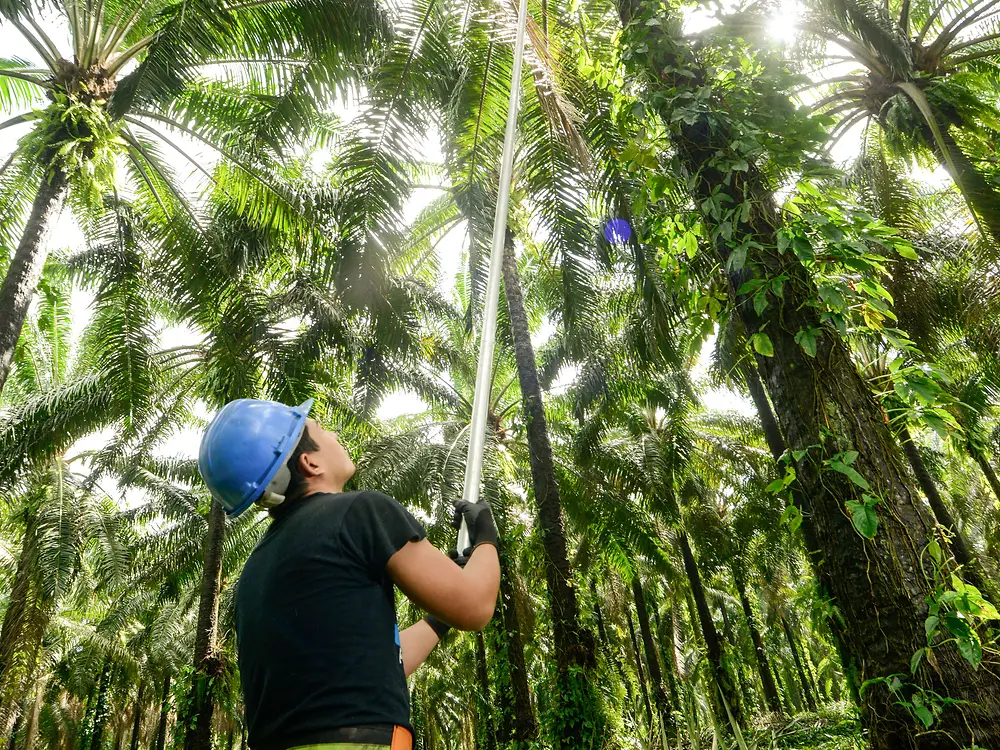
A key challenge for smallholder farmers is meeting increasingly complex sustainability and compliance requirements – from detailed land mapping to extensive documentation – which often exceed their available resources.
A sustainable supply chain is not built by one company alone – it takes shared commitment and collective action. As a founding member of the Together for Sustainability (TfS) initiative, we, together with other companies from the chemical industry, rely on industrywide ESG standards and systematic supplier assessments to help us to embed sustainability holistically across the entire supply chain – and to advance responsible sourcing on a global scale. Which is also why, for more than a decade, we have been partnering with Solidaridad to support smallholder farmers of palm (kernel) oil in countries such as Honduras, Colombia, and Indonesia. Together, we help farming communities increase their yields, secure stable livelihoods, and at the same time reduce our impacts on nature and biodiversity.
Reimagining products and packaging for a circular economy
Plastic is woven into modern life – it’s a lightweight, durable, and highly versatile material that helps protect products and enables convenient everyday use. Its advantages are clear, but so is the responsibility that comes with it.
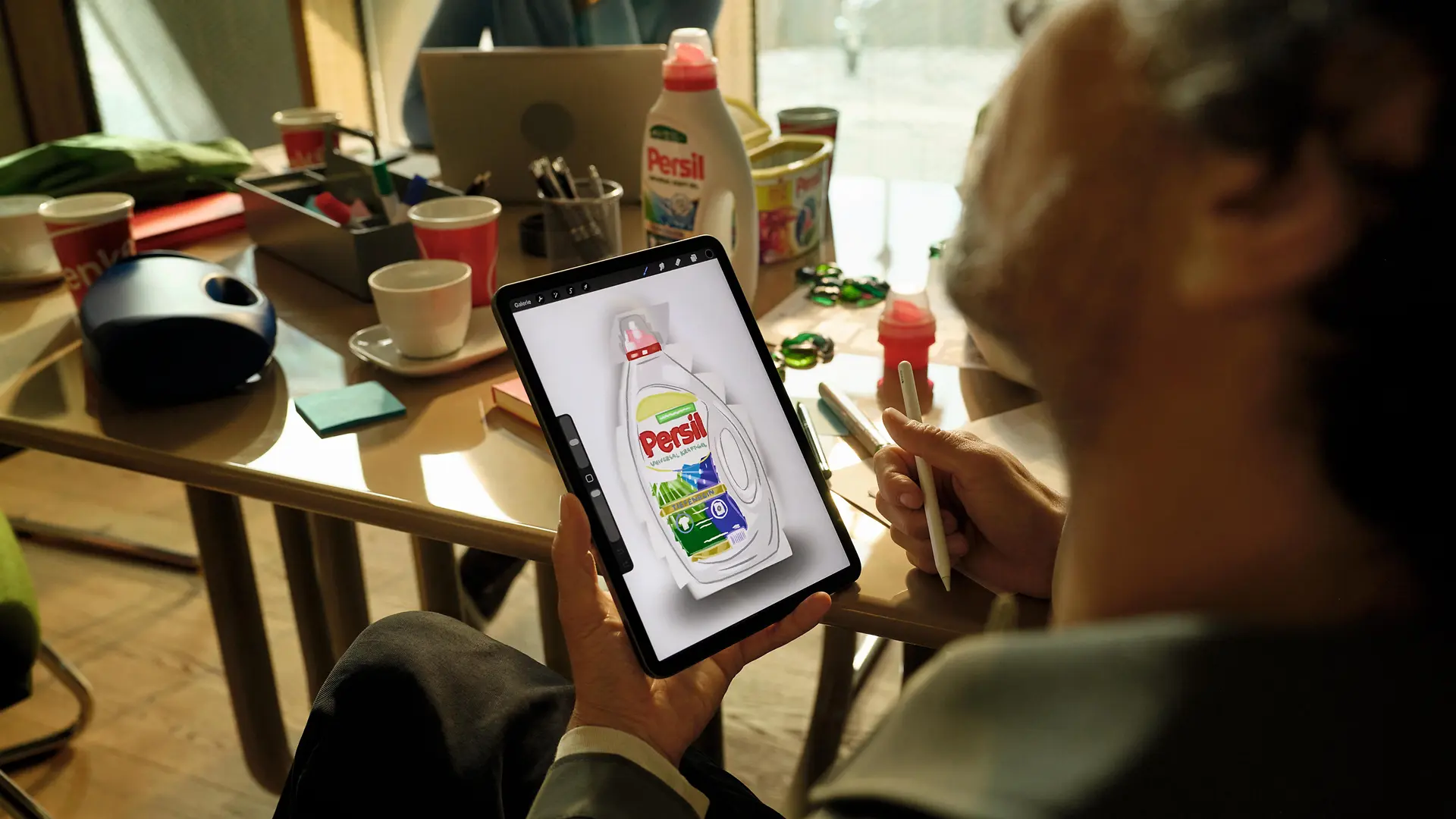
The most effective way to use plastic sustainably is to keep it circulating – again and again. That is the core idea of a circular economy.
At Henkel, we follow a design for recycling approach that aims to minimize waste from the very beginning. This approach also aligns with the goals of the European Packaging and Packaging Waste Regulation (PPWR), which calls for recyclable materials and smarter design. To move the circular economy forward, we are continuously increasing the share of recycled plastic – or recyclate – in our packaging. And wherever today’s technologies reach their limits, we explore new pathways, such as the mass balance approach for plastic packaging.
Our recycling laboratories in our Inspiration Centers in Düsseldorf and Shanghai also play a key role in shaping packaging that helps us to contribute to sustainability. Together with customers and partners, we develop solutions that are not only better for recycling but also meet the high-performance standards expected from modern packaging.
And while our adhesive technologies are designed to hold components and materials together, ensure durability, and enable product functionality, we are developing advanced solutions – including biobased adhesives – that maintain performance during use while enabling controlled debonding during recycling and repair processes. This helps materials re-enter the loop and supports more efficient circular systems.
EXPLORE HOW HENKEL SHAPES MORE SUSTAINABLE PACKAGING SOLUTIONS

Contributing to Thriving Communities
Our responsibility to society is deeply rooted in our company’s purpose and values. We help foster thriving communities and engage in social initiatives to embrace our role as part of society. We focus on creating equal opportunities, promoting diversity and inclusion, and fostering respect for human rights, societal progress, access to education, and humanitarian support. In doing so, we want to help people build better lives. And we contribute not only through product and financial donations: Henkel employees around the world dedicate their time, skills, and passion to causes that matter. With paid time off for volunteering, colleagues can support where help is needed most. For over 25 years, our corporate citizenship initiative Make an Impact on Tomorrow (MIT) has enabled employees and retirees to realize meaningful social projects. Our teams not only create lasting change on the ground but also gain profound personal experiences. Everyone at Henkel can get involved according to their own preferences and skills. At the same time, the projects and NGOs benefit from the wide range of support our volunteers provide.
Three ways of volunteering at Henkel
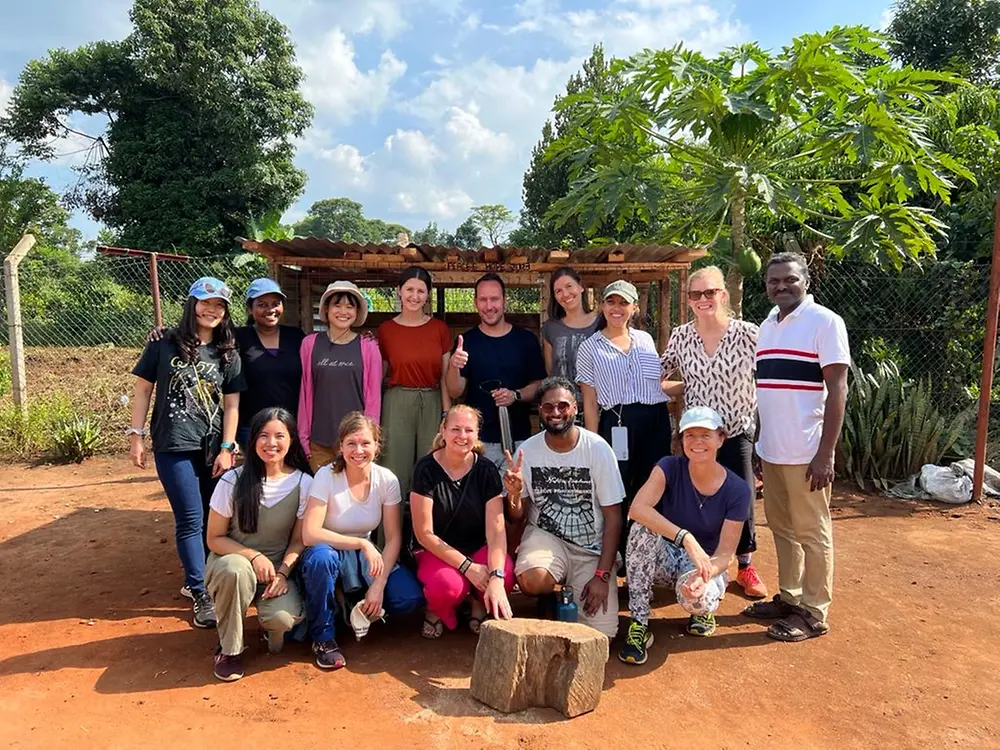
Individual volunteering
supporting personal passion projects
Many colleagues engage privately in causes close to their hearts. One example is Henkel employee Gabi Haak, who founded Peace’s Hope in 2017 to support Sonrise Ministries, an initiative that runs three orphanages in Uganda and supports the surrounding communities.
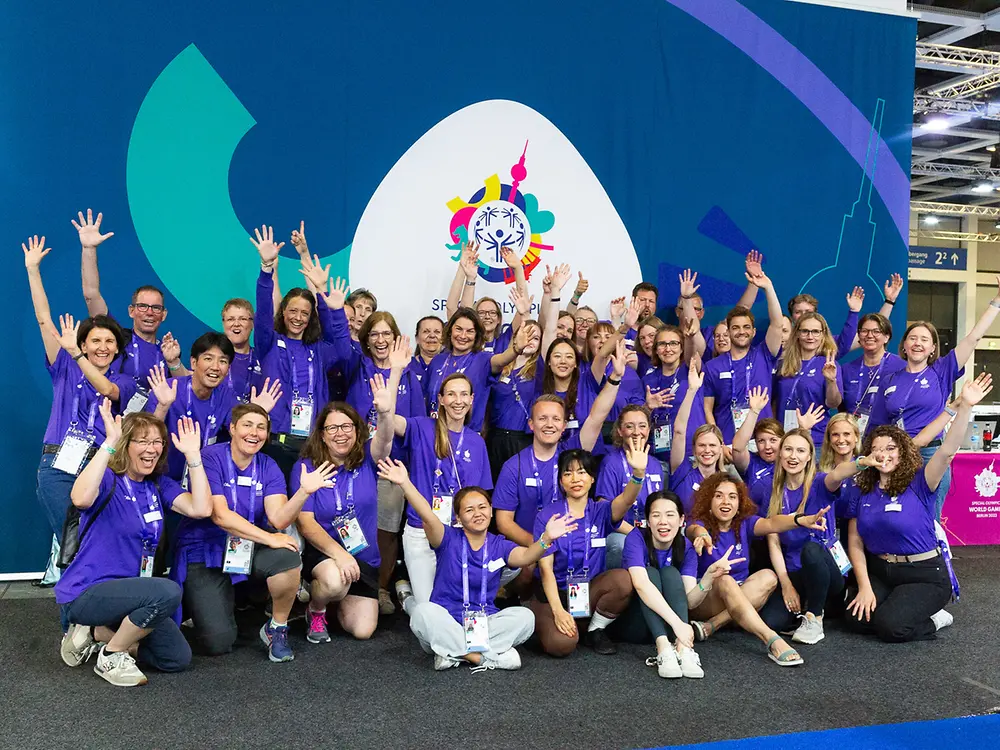
Team
Volunteering
joining forces for a good cause
Through team volunteering, employees can apply for projects they want to carry out together with colleagues – supporting social initiatives or taking action for the environment. They step in wherever help is needed: building homes for people in need, for example, or supporting athletes at the Special Olympics.
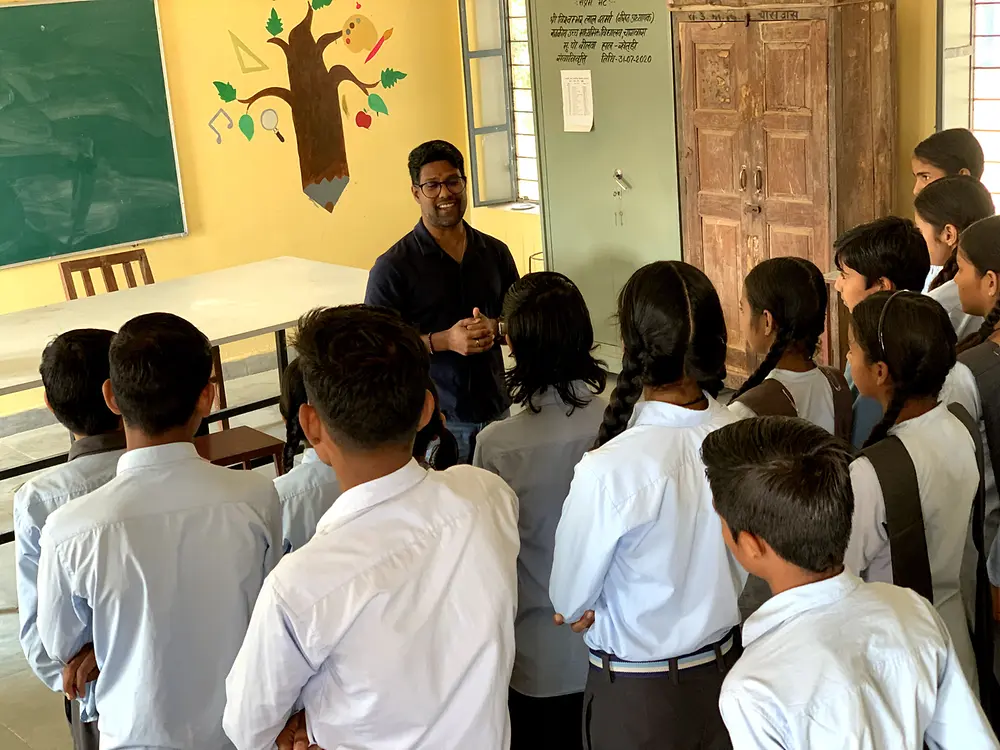
Skill-based Volunteering
sharing expertise to create impact
Through our Volunteers at Heart program, employees contribute their professional skills to nonprofit organizations around the world. Volunteers receive full pay during their assignment, while the Fritz Henkel Stiftung covers travel costs.
Strengthening access to education
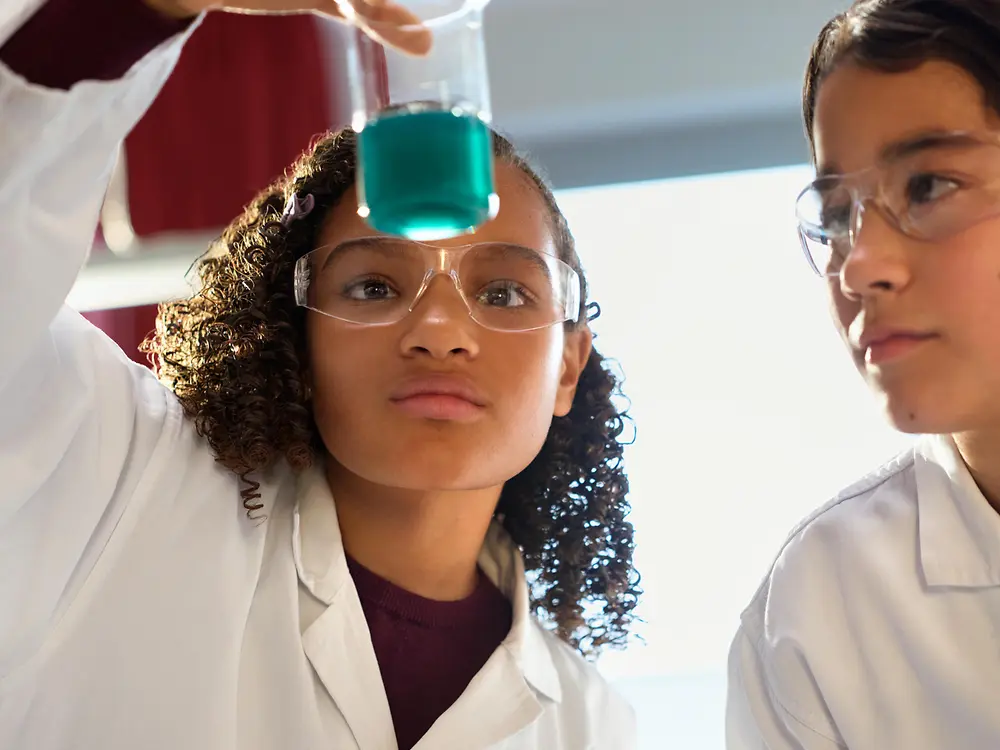
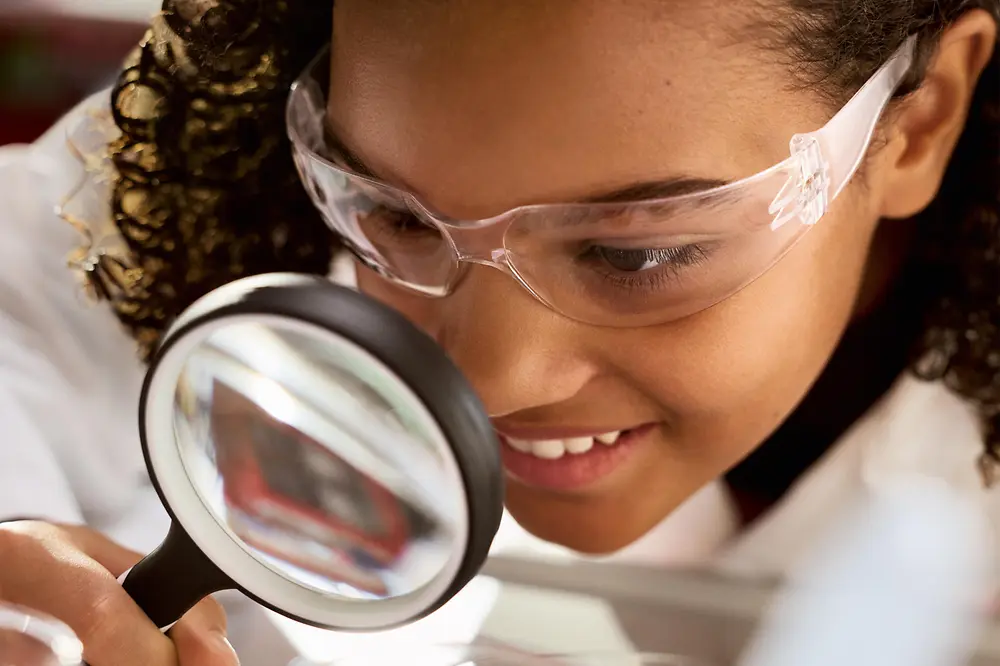
Since its launch in 2011, more than 130,000 children worldwide have participated in the Researchers’ World’s hands on science experiments.
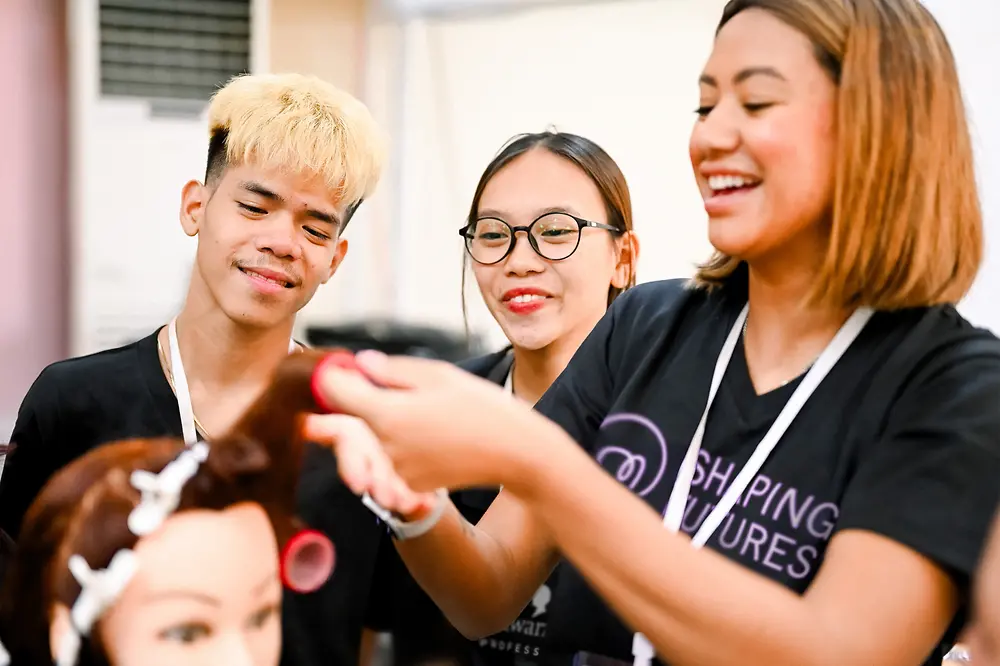
Education is one of the most powerful drivers of equal opportunity and long‑term societal progress. At Henkel, we support educational pathways across generations. Through Shaping Futures, Schwarzkopf Professional’s global education initiative, our employees help young people from disadvantaged backgrounds build a self‑determined future – including opening new opportunities for refugees to begin careers in the hairdressing profession. Since 2022, the Martha Schwarzkopf Award has honored outstanding female researchers in hair science and related fields, strengthening visibility for women in science and expanding networks across STEM disciplines. Our global education initiative Researchers’ World (German: Forscherwelt) inspires children around the world to explore scientific topics through hands‑on experiments. In Germany, the initiative received second place at the LeLa Awards for its collaboration with the Karl‑Tietenberg school for visually impaired and blind children. And in South Africa, Henkel supported the construction of a learning center in Tamaho, creating space for early childhood education and development – and bringing learning opportunities closer to children who need them most.
more
stories on Sustainability
stories on Sustainability