REDUCING OUR IMPACTS ON nature and ecosystems
Nature
Our planet’s ecosystems are under increasing pressure caused by population growth and accelerated economic activity. Explore our approach to reducing our impacts on nature and biodiversity, with a particular focus on the responsible use of water and the responsible sourcing of natural resources.
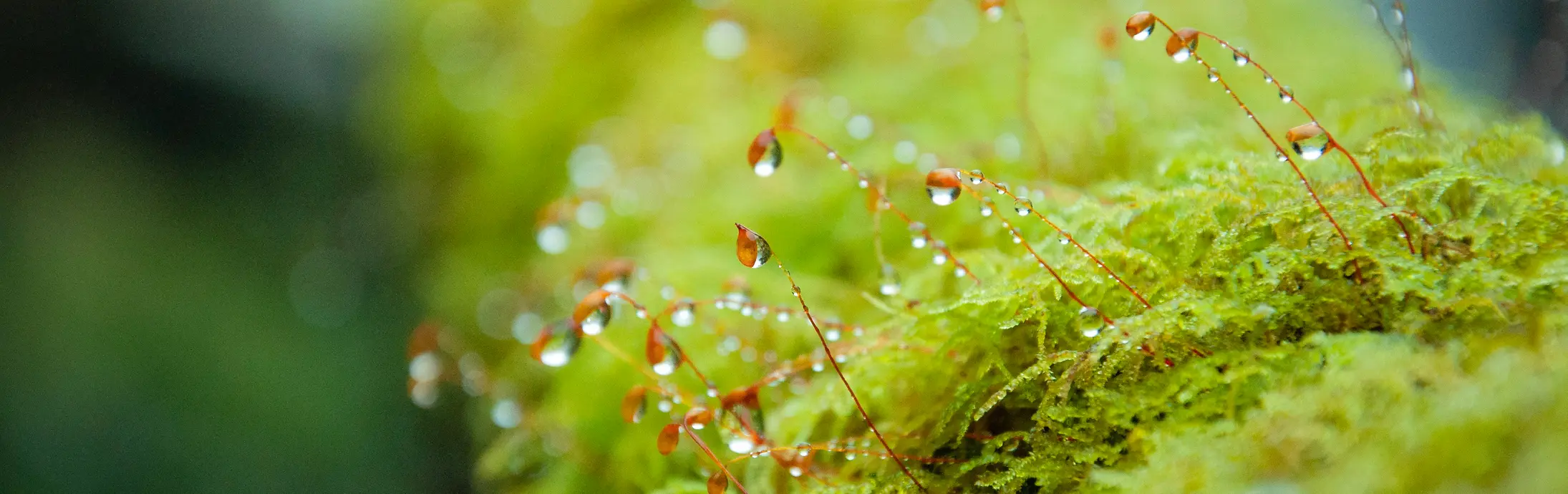
Growing consumption and resource scarcity from population growth and economic activity are placing increasing pressure on natural ecosystems. Henkel is committed to reducing its impacts on nature and biodiversity through its targets, actions and partnerships.
Water ecosystems are an important building block of natural ecosystems. Yet water resources are unevenly distributed and increasingly threatened by climate change, pollution, and overuse. At Henkel, water plays a crucial role throughout our value chain. We use water as part of our production processes and as an ingredient in our products. Additionally, many of our products require water during their use phase. Henkel therefore recognizes its responsibility for responsible and efficient water use.
Furthermore, human activities are putting nearly one million species at risk of extinction according to a report from the Intergovernmental Science Policy Platform on Biodiversity and Ecosystem Services (IPBES). In this context, preserving biodiversity is vital for Henkel because healthy ecosystems and soils are essential for sustainable agriculture and the responsible use of bio-based raw materials.
Targets
* Through water reduction and recycling activities at our sites and restoration activities in priority watersheds
Responsible use of water as a vital resource
Water is essential for life, the planet and society. For us at Henkel, water plays a crucial role along our entire value chain.
Since 2021, we have been a member of the CEO Water Mandate, an initiative of the UN Global Compact. This emphasizes our commitment to a holistic approach to water stewardship.
At Henkel, Water Stewardship is central to increase resilience along and beyond the value chain. It implies minimizing Henkel’s water-related impacts and risks by considering its role within a shared water system with the aim of using water in a socially equitable, environmentally sustainable and economically beneficial way.
In order to achieve that, the assessment of our overall water footprint is central, and we are striving toward advancing this continuously to pave our way for our future Water Stewardship agenda.

IMPROVING WATER EFFICIENCY WITHIN OUR ADHESIVE TECHNOLOGIES OPERATIONS
Our global water efficiency efforts help to prevent water loss and reduce the overall amount of water used in our operations. In 2025, our Adhesive Technologies business unit implemented multiple projects to reduce total water demand in production processes. This includes closed-loop cooling, water treatment optimization, automated mixer cleaning and cooling tower optimization. These projects are expected to save around 100,000 m³ of water annually.
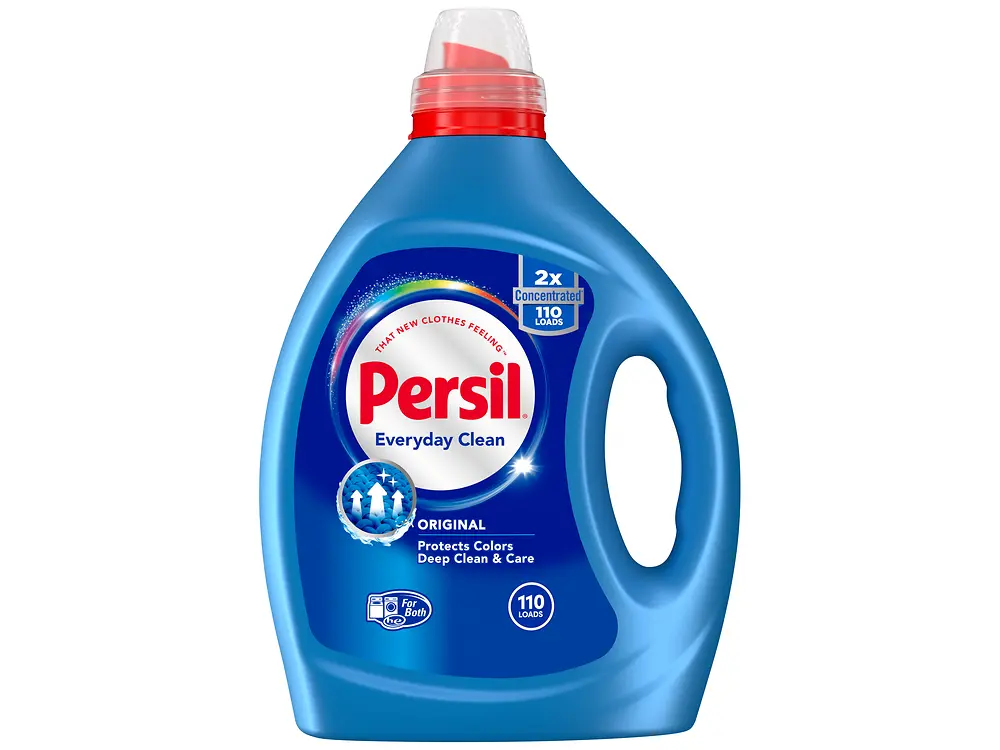
SAVING WATER WITH COMPACTED LAUNDRY PRODUCTS
We are continuously working on product design innovations that optimize the environmental footprint of our products. In 2025, our Consumer Brands business unit launched compacted formulas and packaging for our all, Persil and Snuggle brand liquid laundry products in the North American market. Since compacted formulas require less water as a product ingredient, this initiative contributes to our water target.

FULLY ELECTRIC WASTEWATER TREATMENT PLANT IN ALGERIA
The installation of wastewater treatment facilities at our sites is central to our global responsible water management approach. It reduces negative impacts on the environment in regions around our sites. In Reghaïa, Algeria, we are installing a fully electric wastewater treatment plant on site to reduce the burden on the local municipal wastewater treatment plant.
Cooperating TO REDUCE OUR IMPACTS ON NATURE AND BIODIVERSITY
Henkel strives to reduce its impacts on nature and biodiversity through partnerships, responsible sourcing and collaborative initiatives. To engage effectively, we closely follow global efforts to protect biodiversity and prevent deforestation, such as the Kunming-Montreal Global Biodiversity Framework and the EU Biodiversity Strategy. We continue to adapt our approach in line with these frameworks, while also engaging in dialog and collaboration with external partners and industry groups.
For example, we joined forces with Business for Nature in its 2020 call that urges governments worldwide to make nature a central pillar of policymaking. This later became part of the Science Based Targets Network (SBTN) Corporate Engagement Program in 2023. We also work with the civil society organization Solidaridad to support smallholder farmers in the palm and palm kernel oil sectors, promoting more sustainable agricultural practices.
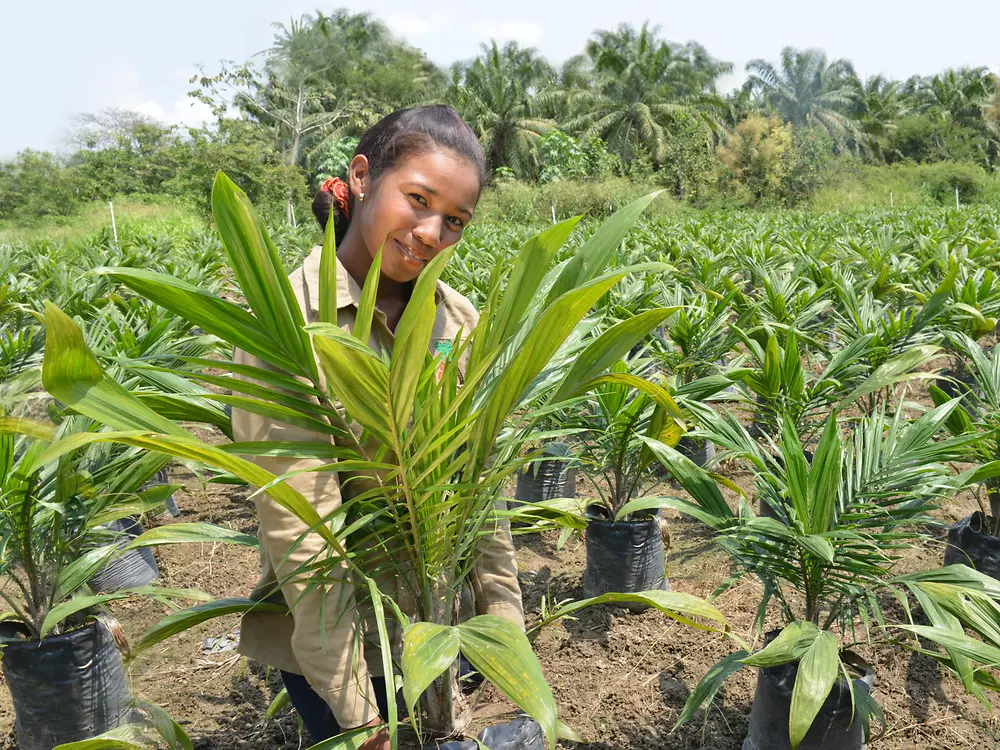
PROMOTING RESPONSIBLE FARMING IN COLOMBIA
Since 2022, our body care brand Dial has been partnering with the civil society organization Solidaridad to help improve the livelihoods of small holder farmers and promote more responsible farming practices. Through this collaboration, we have established a segregated physical supply chain for palm oil and palm kernel oil from Colombia, which is used to manufacture our Dial soap bars. The goal of the Farm2Bar project is to create a fully traceable supply chain for Dial soap bars that involves farmers, processors and processing mills across Colombia.
CONTRIBUTION TO “SECTOR TRANSITIONS TO NATURE POSITIVE” REPORTS
As a member of the World Economic Forum (WEF), we contributed to the 2023 “Sector Transitions to Nature Positive” report series, developed with the World Business Council for Sustainable Development (WBCSD) and Business for Nature. The 12 reports outline sector-specific impacts and actions to reduce harm and seize opportunities. Together with the WBCSD, we also work on improving our “Nature Metrics,” the way how we evaluate our impact on nature and the environment.
Responsible use of ingredients made from
bio-based raw materials
Henkel is committed to responsible raw material management. We place a particular focus on actions to support the conservation of biodiversity and the responsible sourcing of natural resources.
We use renewable raw materials wherever this aligns with environmental, economic and social considerations. Many of our products - including detergents, shampoos and adhesives - rely on bio-based ingredients such as palm oil, palm kernel oil and their derivatives, pulp and paper, as well as rubber. Responsible sourcing of those ingredients is crucial to avoid excessive land-use change, deforestation, and degradation of natural ecosystems. Deforestation-related commodities such as palm oil, palm kernel oil and wood products are in focus of Henkel’s responsible sourcing strategy because forests play a vital role as carbon sinks and biodiversity hubs.
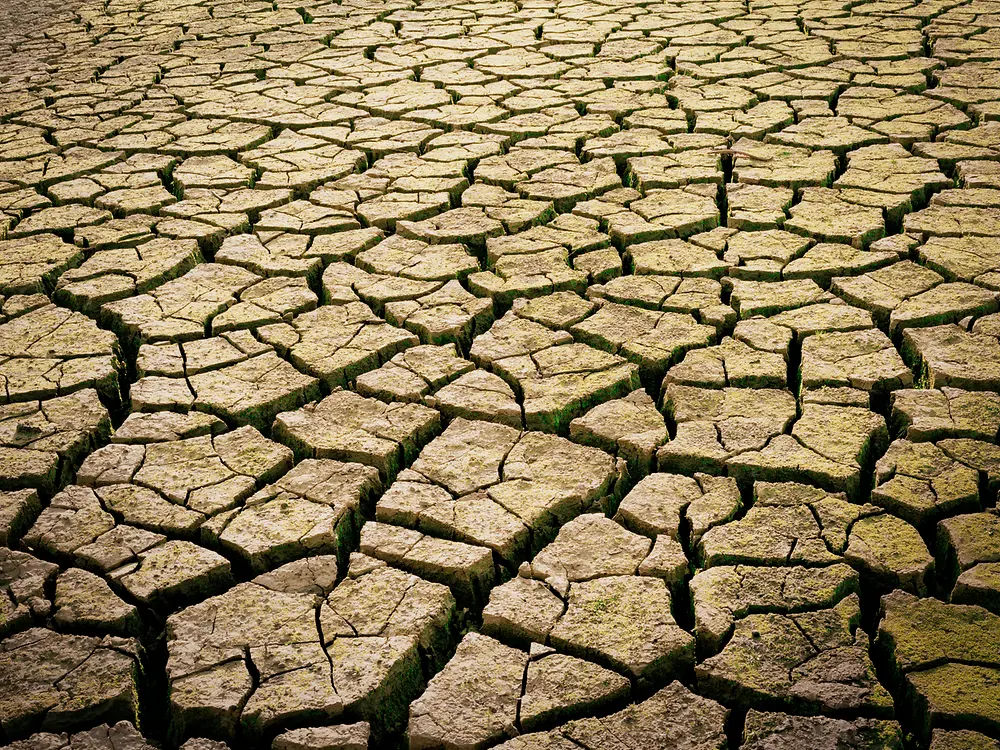
ASSESSING NATURE-RELATED IMPACTS AND RISKS OF FEED STOCKS
Henkel has developed a feedstock evaluation dashboard to better assess nature-related impacts and risks across our upstream value chain. The tool supports our purchasing and risk management teams by providing greater transparency about different feedstocks and their potential environmental impacts. It focuses on “level zero feedstocks” – all relevant crops and minerals at the very beginning of the Company’s value chain. By bringing together primary data, secondary sources, and statistical insights, the dashboard helps identify priority feedstocks and key sourcing countries.
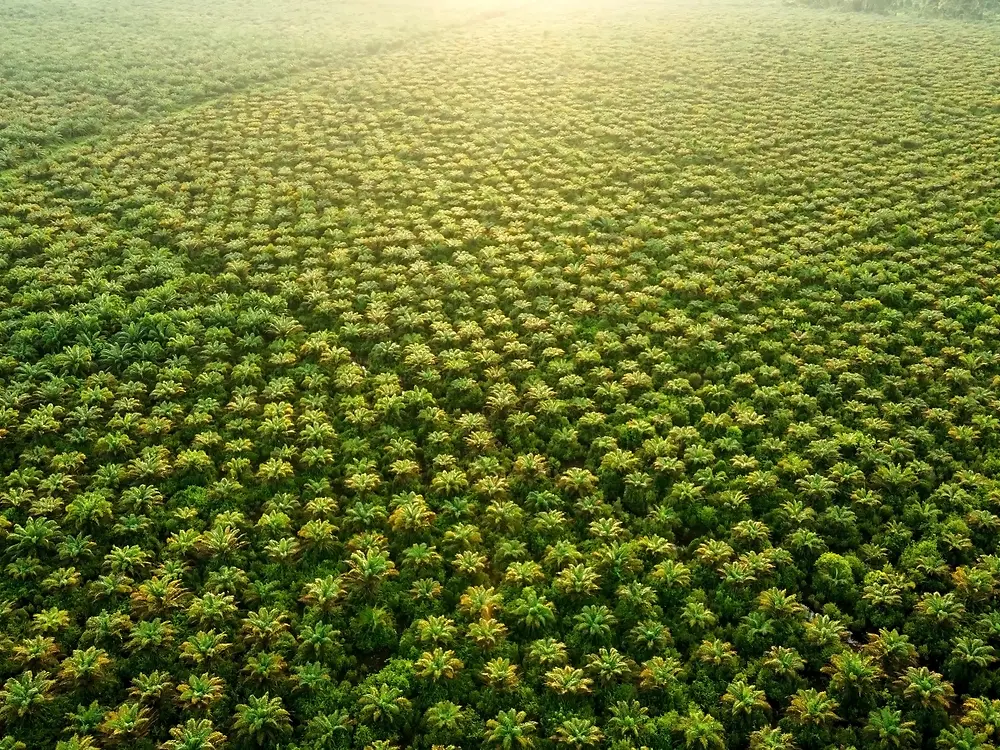
INCREASING TRANSPARENCY IN THE PALM OIL VALUE CHAIN
Action for Sustainable Derivatives (ASD) is an industry-led initiative promoting the responsible sourcing of palm oil derivatives. It unites companies across sectors to tackle environmental and social challenges in palm (kernel) oil supply chains. It aims to encourage sourcing that is deforestation-free, respects human rights and supports local livelihoods. Henkel collaborates with ASD to increase transparency by mapping upstream value chain partners and sourcing areas linked to refineries, mills and plantations. This enables early detection of risks and non-compliance with zero-deforestation commitments. Through ASD’s partnership with Nusantara Atlas, members access a geo-platform for real time monitoring of deforestation and fires. This strengthens grievance management and accountability.
Explore how we drive transformational impact
for the good of generations
for the good of generations
Explore how we drive
environmental impact
environmental impact
We are on a journey toward an environmental transformation of our business model through setting measurable targets and taking concrete actions on climate, circularity and nature. In addition to our focus on a net-zero future and climate change mitigation measures, we aim to contributing to a functional circular economy and reducing our impacts on nature and biodiversity.