On the occasion of its 150th anniversary, Henkel is taking its long-standing commitment to science education to the next level. By the end of 2030, the company plans to establish five new permanent learning labs as part of its “Researchers’ World” initiative (in German: Forscherwelt): a new STEM center at Henkel’s headquarters in Düsseldorf and four additional Researchers’ World labs around the world. In addition, mobile concepts will bring hands-on science education to children in six additional countries. Henkel will invest a double-digit million-euro amount in the expansion of Researchers’ World by 2030.
Sep 21, 2026 Düsseldorf / Germany
Henkel to significantly expand its global STEM initiative Researchers’ World
Henkel will invest a double-digit million-euro amount by 2030 to establish five new permanent Researchers’ World locations worldwide, including a new STEM center in Düsseldorf, Germany.
Researchers’ World is Henkel’s global education initiative that gives children hands-on access to science and STEM education
The initiative builds on 15 years of experience, activities in over 20 countries and the participation of more than 130,000 children worldwide
The expansion aims to lower barriers and strengthen equal access to STEM education for children around the world
“Curiosity and a spirit of discovery are essential drivers of learning and innovation. Through our Researchers’ World initiative, we encourage children to ask questions, explore new ideas and develop their own solutions. By expanding the initiative internationally, we want to make high-quality STEM education accessible to as many young people as possible, regardless of their socioeconomic background,” says Dr. Simone Bagel-Trah, patron of Henkel’s Researchers’ World and Chairwoman of Henkel’s Supervisory Board and Shareholders’ Committee.
“As Henkel celebrates its 150th anniversary, we are expanding our Researchers’ World initiative to enable even more children to experience science, technology and innovation first-hand. We also want to reach young people who have had limited access to these opportunities so far. This project reflects our long-term commitment to social responsibility as a company, both as part of our anniversary year and beyond. We believe that education is an investment in the future of society, which is why we are committed to making a lasting contribution in this area,” says Carsten Knobel, CEO of Henkel.
A global platform for curiosity, skills and equal opportunity
Founded in Düsseldorf in 2011, Researchers’ World has developed into a global education initiative that promotes early STEM education in more than 20 countries across Asia, Africa, the Middle East, Europe, North America and South America. Through hands-on experiments and age-appropriate learning formats, children explore scientific concepts and discover the world of science through inquiry, experimentation and problem-solving. Since its launch, more than 130,000 children worldwide have participated in the program. As part of its expansion plans, Henkel aims to extend Researchers’ World to more than 30 countries by 2030.
Düsseldorf as one of the five new permanent locations
Henkel will build a new STEM center at its headquarters in Düsseldorf. It will expand the existing concept and location with extracurricular formats, a wider target group, and dedicated access for external visitors. The center is expected to accommodate more than 10,000 children and young people annually. As one of the five new permanent locations, the Düsseldorf center will form part of a wider global network.
“By expanding our global network, we aim to further reduce financial and organizational barriers to STEM education and create accessible learning opportunities for children from different socioeconomic backgrounds and educational pathways,” explains Dr. Ute Krupp, who is responsible for the Researchers’ World initiative at Henkel. “Our learning programs support scientific literacy, critical thinking, collaboration and creativity – skills that help young people understand and shape a changing world.”
Further information and free teaching materials are available at www.henkel-researchers-world.com
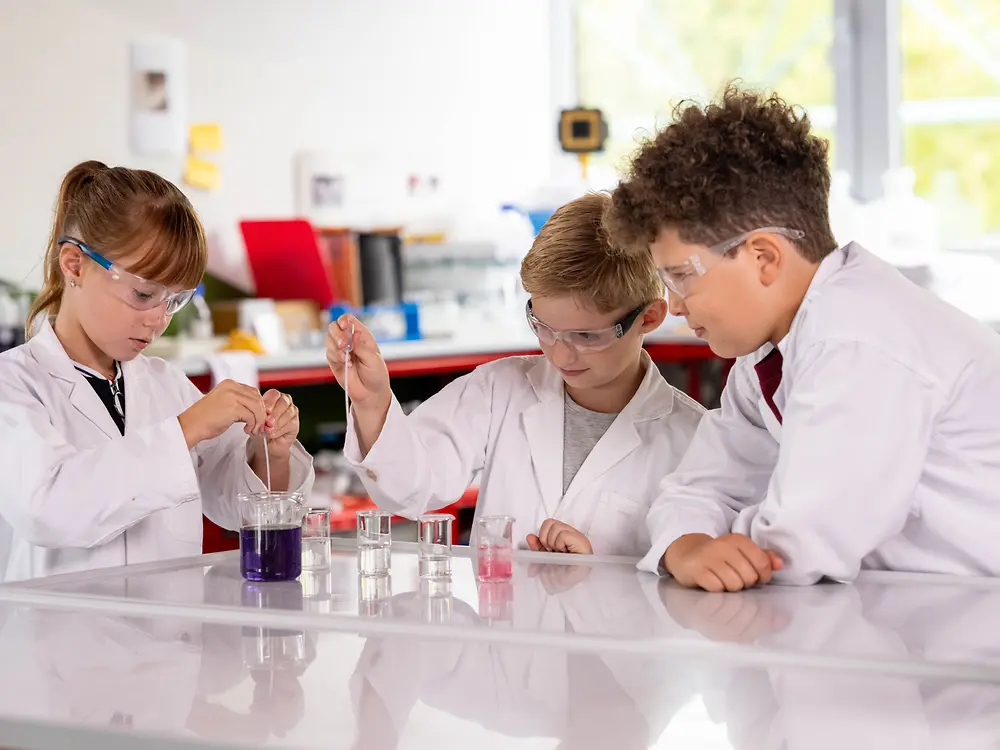
As part of its 150th anniversary, Henkel is significantly expanding its global STEM education initiative Researchers’ World and plans to establish five new permanent Researchers’ World locations worldwide, including a new STEM center at its headquarters in Düsseldorf.
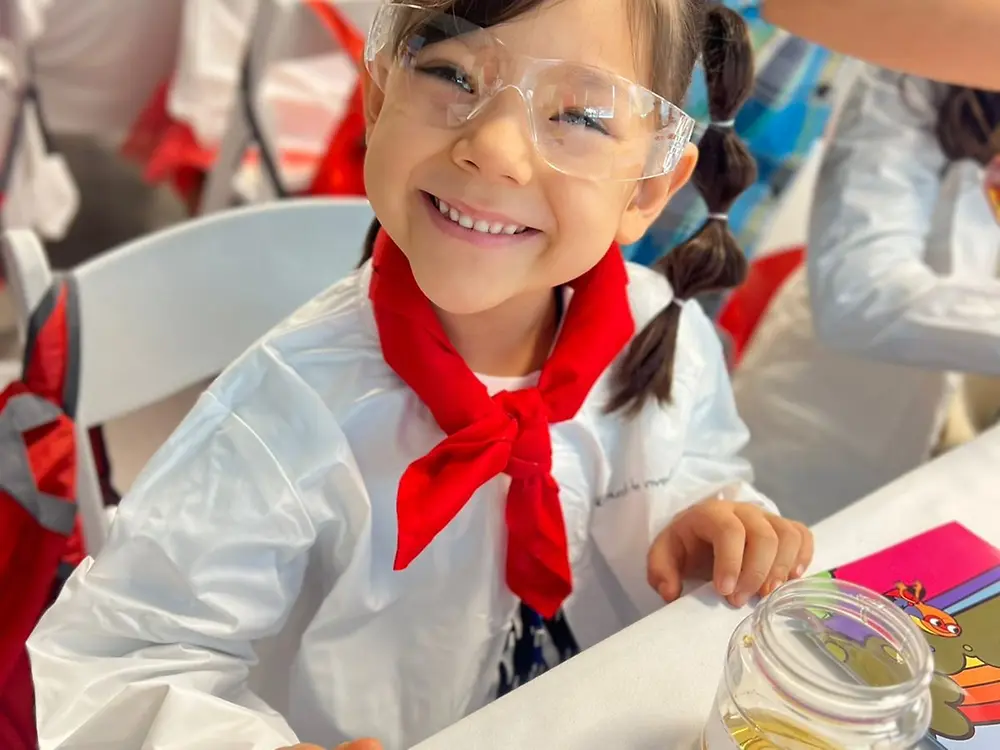
By expanding Researchers’ World to more than 30 countries by 2030, Henkel aims to make high-quality STEM education accessible to even more children and young people worldwide.
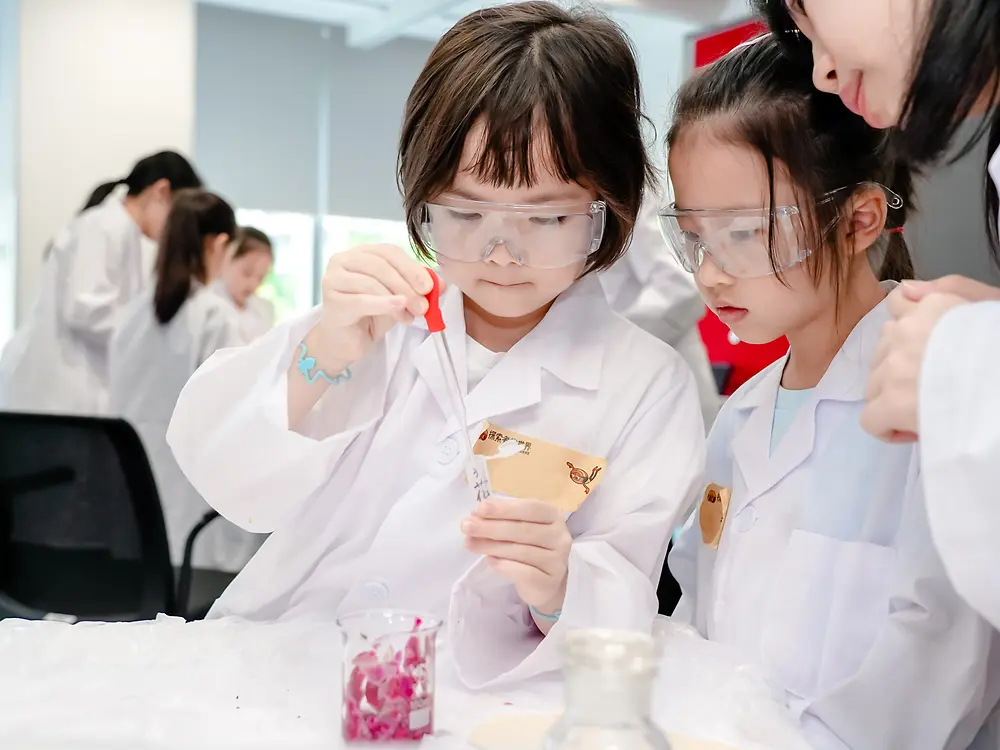
Through hands-on experiments and age-appropriate learning formats, Researchers’ World encourages curiosity, critical thinking and problem-solving skills among young learners.
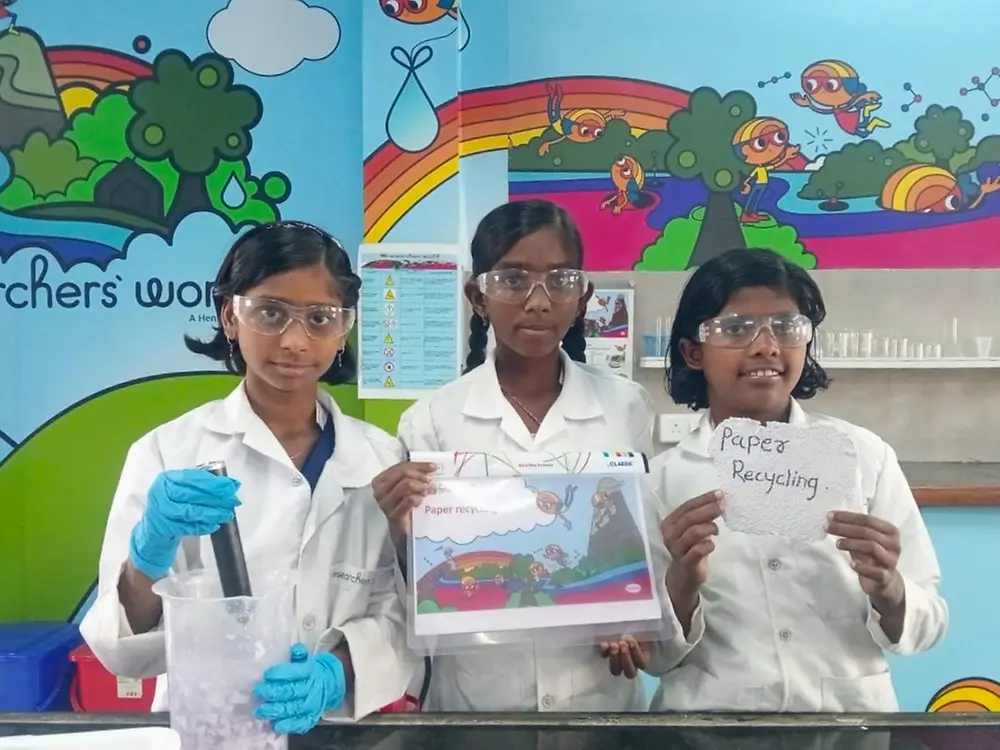
By 2030, Henkel will invest a double-digit million-euro amount to expand Researchers’ World and create new learning opportunities for children around the globe.
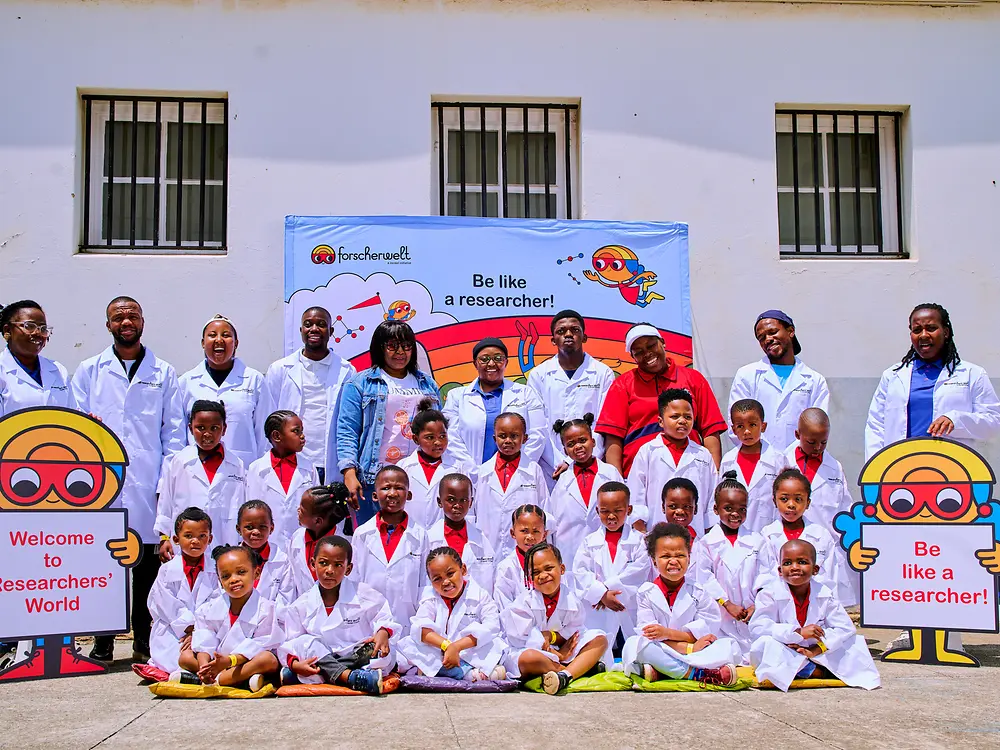
Founded in 2011, Researchers’ World has already reached more than 130,000 children and promotes early STEM education in over 20 countries worldwide.
1 of 5
Additional Information