
Henkel is the first company in Germany’s DAX 40 blue-chip index to introduce a fully paid global parental leave policy. Across all genders, family structures and in more than 80 countries. How does such an initiative come into being, and what does it mean for people working in countries where the state offers little more than five days? We take a closer look at the initiative and speak to those who have already benefited from it – in Mexico, North America, South Korea and China.
Story
Family time for everyone. Everywhere.
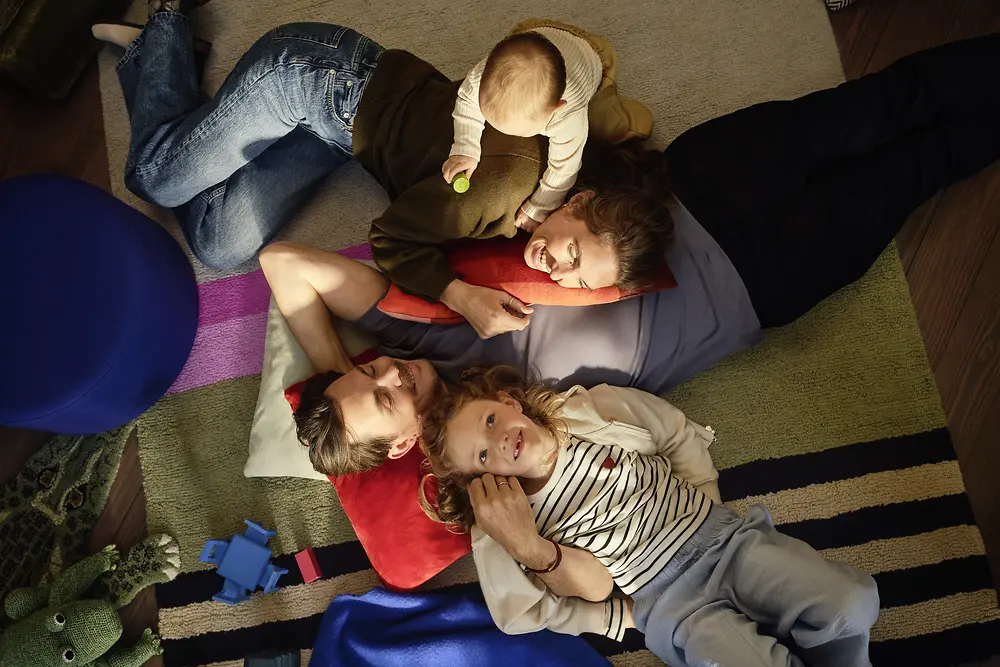
In this story, you will learn:
- Why the global parental leave standard was initiated
- How it bridges the gap by going beyond legal requirements
- How important bonds are formed in the first weeks of parenthood
- How the global parental leave standard helps break gender norms
- What a supportive return-to-work experience can look like
- How the initiative creates long-term impact
Work shapes how we think, who we are, what we achieve. But it is not everything. There are moments that push everything else aside and shape the strength with which we return. The birth of a child is one of those moments. It works best when both sides align: a private life that is changing, beginning anew with a new family member, and a job that holds your place.
“This little being, completely dependent on you, to hold them and truly be there, that was a completely different experience,” says Sebastian Cordoba, Regional Process Manager at Henkel in Mexico City, and a first-time father. Without Henkel’s program, he would have missed much of it, he tells us. In Mexico, he would legally have been entitled to just five days. Thanks to Henkel’s program, he was able to take two months of parental leave while continuing to receive his salary. And more importantly, he was able to seize the opportunity to live fatherhood the way he had always imagined: as an equal parent, with all the opportunities and responsibilities that entails.
NURTURING NEW BEGINNINGS.
FROM PARENTAL LEAVE TO FAMILY TIME.
FROM PARENTAL LEAVE TO FAMILY TIME.
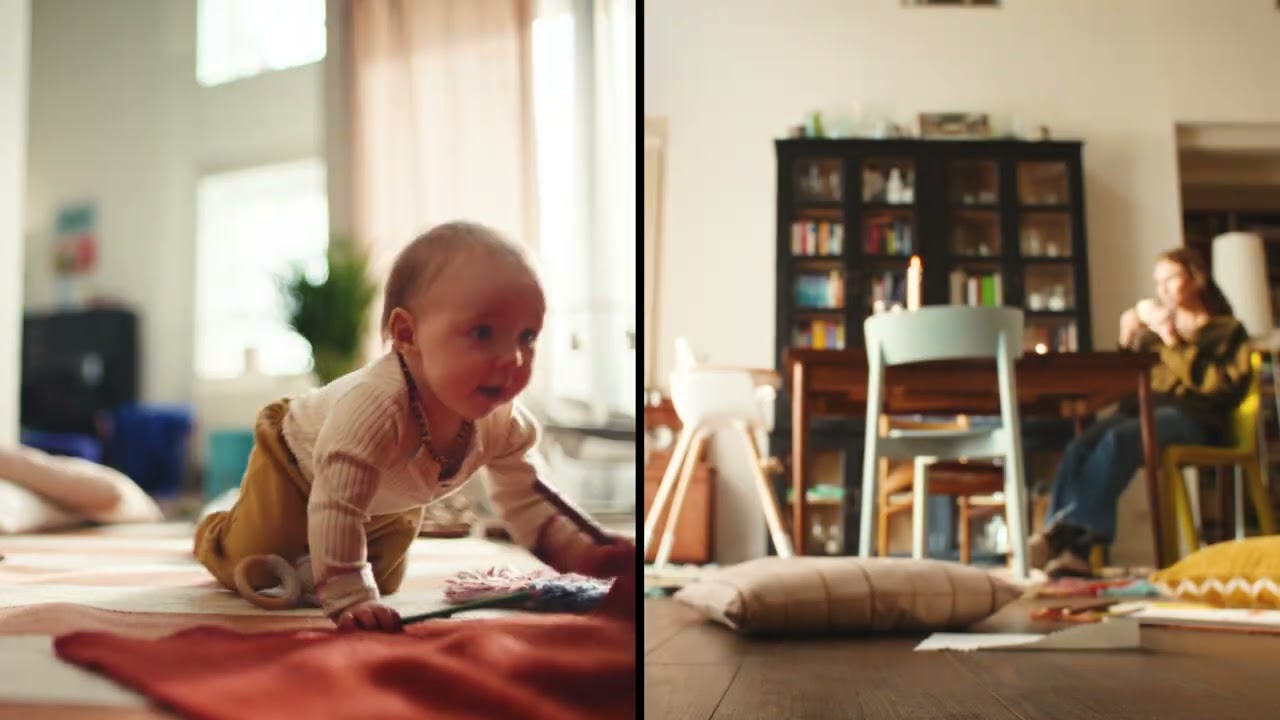
One idea. 80 countries.
The program was co-initiated by Saskia Schmaus. She has been with Henkel for 18 years. And has always believed that combining family and career, staying financially independent and continuing to grow both personally and professionally should be possible for everyone. For almost four years, she has been responsible for equal opportunity across the company as Global Head of Diversity, Equity & Inclusion (DEI). Her team: three people. Her biggest initiative to date: the gender-neutral parental leave policy that Henkel introduced worldwide in January 2024. The initiative is part of a broader DEI strategy. The goal is to structurally embed equal opportunity in processes, leadership and concrete offerings for employees worldwide. Parental leave is a lever to fundamentally reshape role models and career trajectories over the long term.
The idea came from within the team itself, following an internal review that made one thing clear: The situation was far from equitable. Some countries had no provisions for fathers at all. Others offered two weeks. “We wanted a minimum standard that applies to everyone,” says Saskia. Eight weeks of fully paid parental leave – regardless of gender, family structure or country of origin, flexible in how it is taken and even usable in parallel with a partner.
Rolling this out across more than 80 countries within six months was a complex legal undertaking. At the same time, the policy sends a strong signal in the global competition for talent. For younger generations such as Gen Z – and soon Gen Alpha – what matters is whether an employer takes employees‘ real lives seriously and does not leave work-life balance to chance. They expect structures that recognize and enable care responsibilities. A globally consistent parental leave policy creates exactly this reliability and makes Henkel more attractive as an employer. With this move, Henkel is the first company among Germany’s largest listed companies to introduce such a policy.
Going beyond legal requirements: How Henkel bridges the gap
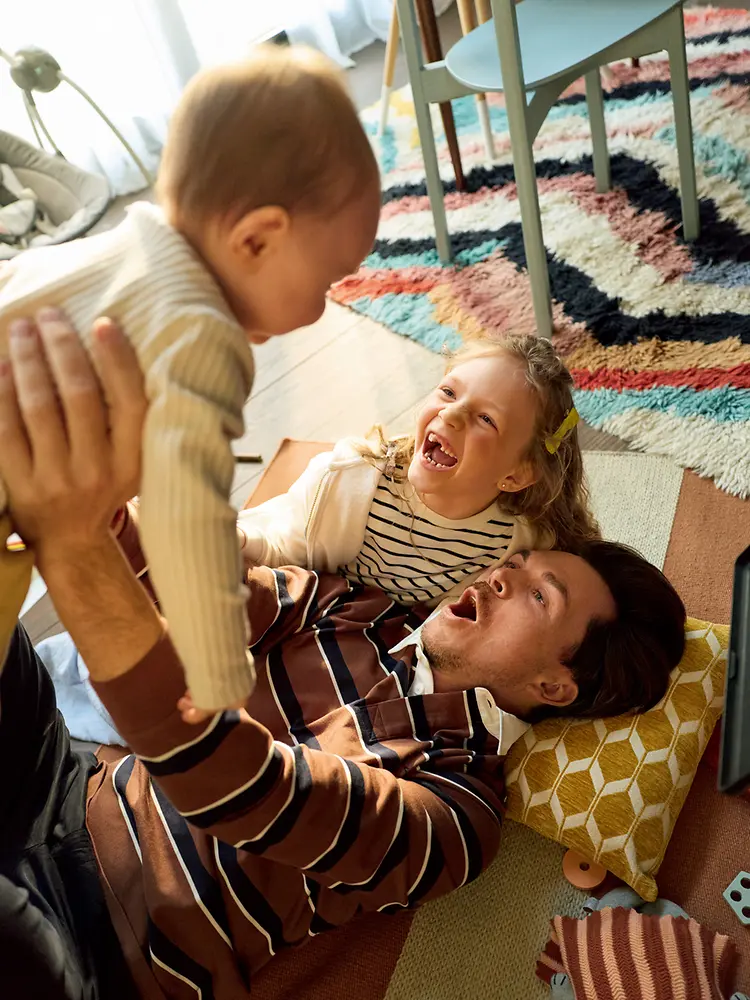
At Henkel, all employees worldwide are entitled to eight weeks of fully paid parental leave. The global policy applies equally to all genders and to all forms of parenthood, including adoptive or foster parents, same-sex couples, and single parents.
The need for such solutions is growing. In many countries, family models, career paths and expectations of work are changing simultaneously. Companies are therefore increasingly called upon to create frameworks that go beyond legal requirements. In the United States, federal law grants parents up to twelve weeks of unpaid leave. Paid leave, however, depends on the state and the employer. As a result, many parents who receive no financial compensation may not take leave at all. “Not having to make such a choice or worry about your salary was a huge relief,” says Matt Kutnick, Marketing Director at Henkel in North America.
In China, the situation is not much different. Fathers are legally entitled to ten to fifteen days; this varies by region. Simon Peng, Market Strategy Manager at Henkel in Shanghai, was still in his first week of parental leave when he heard about Henkel’s new policy: two months for fathers, worldwide, fully paid. He did not hesitate for a second. In South Korea, the legal framework is comparatively more progressive, offering fathers 20 days of paid leave. Yet cultural expectations still keep many men from taking it. For Guiho Choi, Quality Supervisor at Henkel in South Korea, becoming a father meant navigating these unwritten rules – and discovering that Henkel’s policy offered not just time, but reassurance: “Knowing Henkel had a strong, well-structured policy made the decision feel easier. It eased any concern about how my absence might be perceived. The message was clear: Family matters. And your role as a father matters too.”
FOUR VOICES. FOUR PERSPECTIVES. FOUR COUNTRIES.
A TRAILBLAZER FOR A NEW GENERATION
Sebastian lives in a country where fathers are legally entitled to five days of parental leave. He took two months and speaks openly about it because he knows that leading by example changes more than arguments ever will.
“I’m not helping. I’m doing my part. That’s my responsibility – for my daughter and for my wife.”
A NEW UNDERSTANDING OF FAMILY

His parents come from a lower-tier city; his daughter is growing up in Shanghai. The two months of parental leave didn’t just change his life, they showed his entire family what fatherhood can look like.
“It's also fostering a culture where employees feel empowered to use it. Little by little, it all makes the difference.”
ENABLING
OTHERS

As a leader, Matt knows that his actions send a signal. He took the full parental leave. And went on to co-found a community that helps others do the same.
“As a leader, I have the opportunity to set an example. That taking advantage of this great benefit and supporting our families is exactly what we should be doing.”
FEELING
EMPOWERED

In a country where taking parental leave as a father is still culturally uncommon, Henkel’s global policy gave Guiho the confidence to fully embrace this time with his growing family.
“Parental leave isn’t just time off – it’s an investment in your family, your wellbeing, and in becoming a better parent and partner.”
1 of 4
Sixty days. A different kind of parenthood.
Simon’s parents come from a lower-tier city. The idea that a father would stay home for several weeks was foreign to their generation. Even a month was considered long for mothers. When he told them he would take two months of parental leave, they were surprised. Then they came to Shanghai and together experienced how two became three. He describes this time as an investment: not a period of rest, but focused energy for a transition that takes time.
The first weeks can also unfold differently. Sebastian in Mexico experienced them as a real test: medical complications, not life-threatening, but demanding, with many doctor’s appointments and specialists. Being at work while his thoughts were elsewhere would have been nearly impossible, he says. It was just as important for him to be there for his wife. It is not only about the baby. The time as a couple, with a child between them, changed their relationship. Because it was shared, rather than divided. For Guiho in South Korea, those early weeks were less turbulent, but equally transformative. He spent his days mastering feedings, circling the house with his newborn, and supporting his wife emotionally and physically. It was a period, he says, that strengthened their partnership, their bond as a family and deepened his understanding of fatherhood.
I’m not helping. I’m doing my part.
Sebastian often repeats a sentence when acquaintances praise his involvement in family life: “I’m not helping. I’m doing my part.” This is where a key effect becomes visible: When more men take parental leave as a matter of course, expectations within the company begin to shift. Care responsibilities are distributed more visibly, career decisions become less one-sided, and over time, fairer development opportunities emerge for everyone. The curiosity some people around him showed about what two months at home with a newborn actually look like reveals just how much this conversation is still opening up. It highlights that this understanding of fatherhood is only slowly gaining more ground and not yet considered normal. Henkel, he says, gave him not just time, but the opportunity to set an example. Guiho echoes this sentiment. In a culture where it is still unusual for fathers to take extended leave, he hopes his decision helps normalize shared caregiving. “It’s not only a mother’s responsibility,” he says. “It’s a shared journey.”
For Saskia, this is precisely where the real value of the initiative lies. The numbers show that it works: In 2025, 35 percent more male employees worldwide took parental leave than the year before. In Algeria, a country with clearly defined gender roles, not a single father took parental leave in 2024. In 2025, there were 84. “I would never have expected that,” she says. “But that’s exactly what it shows: As a company, you have the ability to shape culture from within. And when you do it right, the impact reaches far beyond the workplace.”
Those who lead by example change more than any policy ever could. Matt took the full parental leave also because, as a leader, he knows what his actions signal, and because his team saw it and followed suit. Out of this mindset, PACT was born: Parents and Caregivers Together, an employee resource group he co-founded at Henkel that brings together parents and caregivers through resources, exchange and visibility. In less than a year, the group grew to more than 120 members across North America. It makes Henkel’s benefits visible and gives the topic of parenthood in the workplace a clear framework.
FAMILY VALUES THAT SPAN THE GLOBE

Parental leave should become the norm. It says nothing about who you are or how you work. Only that you are a mother or a father.
Saskia Schmaus, Global Head of DEI at Henkel

An investment with the highest possible return in your child and your family.
Simon Peng, Market Strategy Manager at Henkel in China

You tend to do your best work if you can be fully present and be at peace with your life outside of work.
Matt Kutnick, Marketing Director Personal Care at Henkel in North America
This form of fatherhood is not yet the norm in my country. But that’s exactly why we need to talk about it.
Sebastian Cordoba, Process Manager Finance at Henkel in Mexico

The policy gave me the confidence to take leave wholeheartedly – and to be there for my family when it mattered most.
Guiho Choi, Quality Supervisor at Henkel in South Korea
1 of 5
The return: space, not pressure
Whether in Mexico, the United States, South Korea or China, all four describe their return in similar terms. Colleagues asking for photos. No unnecessary contact during leave. Careful handovers that make the transition back smooth. And the feeling that the time off truly counted. Not just on paper. For Matt, there was something else as well: His managers have young children themselves. That creates a kind of unspoken understanding that requires no lengthy explanations.
What remains
Saskia considers the gender-neutral parental leave policy the project with the greatest personal impact of her career. In the past, she developed products and measured their success in market share. That metric does not apply here. “Working on something that directly affects people's lives," Saskia says, "simply feels much more rewarding.” Many other companies have since reached out to learn more about the initiative. She welcomes everyone inspired to adopt a similar approach.
Since becoming the father of a daughter, Sebastian says his perspective has completely changed. “As the father of a girl, you carry a greater responsibility than before.” He thinks further: about a society that continues to evolve, about men who are allowed to experience fatherhood differently. This step, he says, is profound enough to drive real change. You can feel it: in individual families, but also in a corporate culture that is shifting step by step.

New Work
HOW FLEXIBLE WORK, AGILE PROCESSES, MODERN LEADERSHIP
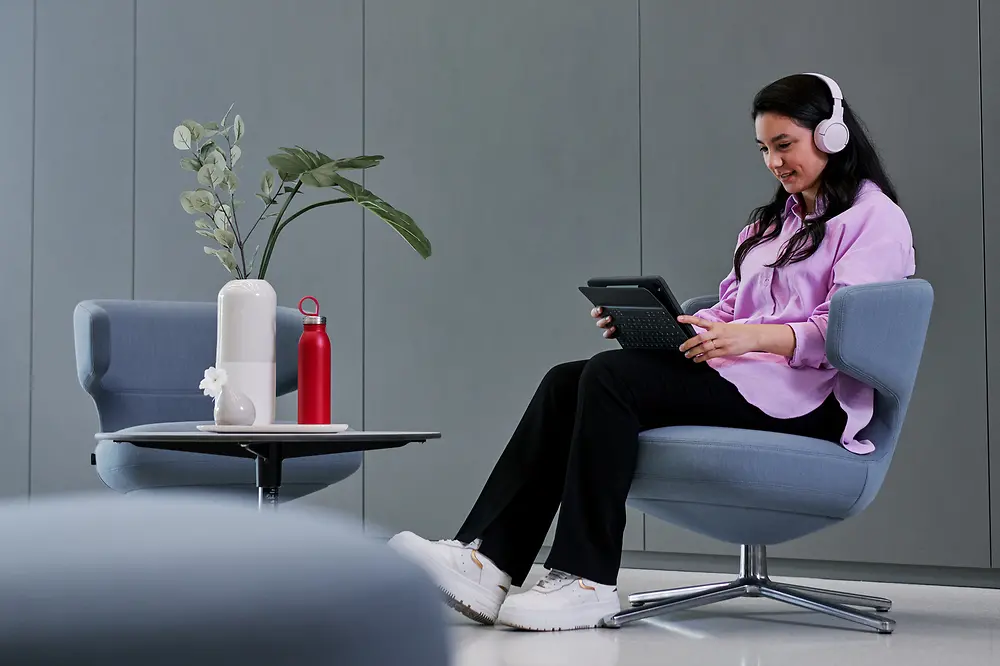
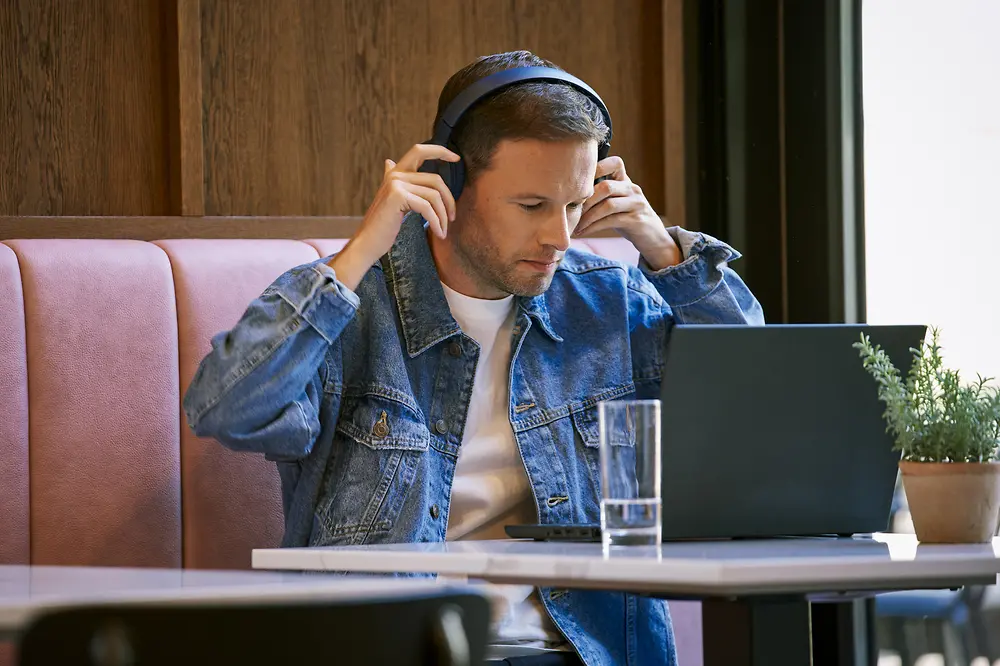
What sounds like a new lifestyle trend is actually a paradigm-shifting concept for the workplace. New Work is digital, flexible, and democratic. Job applicants and employees are demanding more freedom in terms of where, when, and how much they work. And the New Normal paves the way for more self-determination and self-realization, driven by the digital transformation and smart working models.

1 of 3
SPOTLIGHT
MAGAZINE
MAGAZINE
Discover our features with stories and expert insights on innovation, sustainability, digitalization and Henkel’s pioneering culture.