
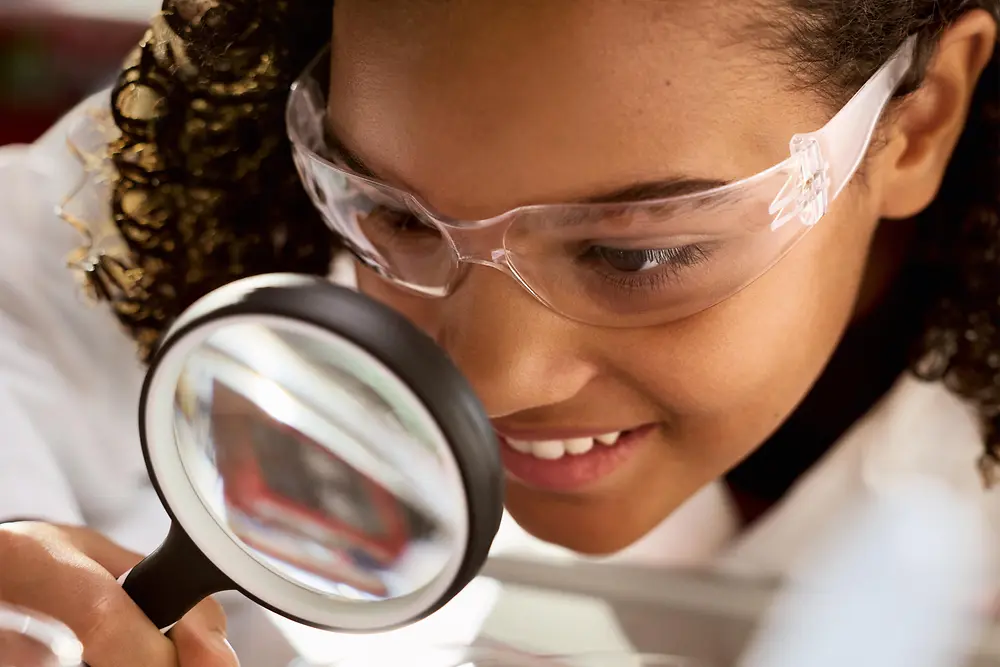
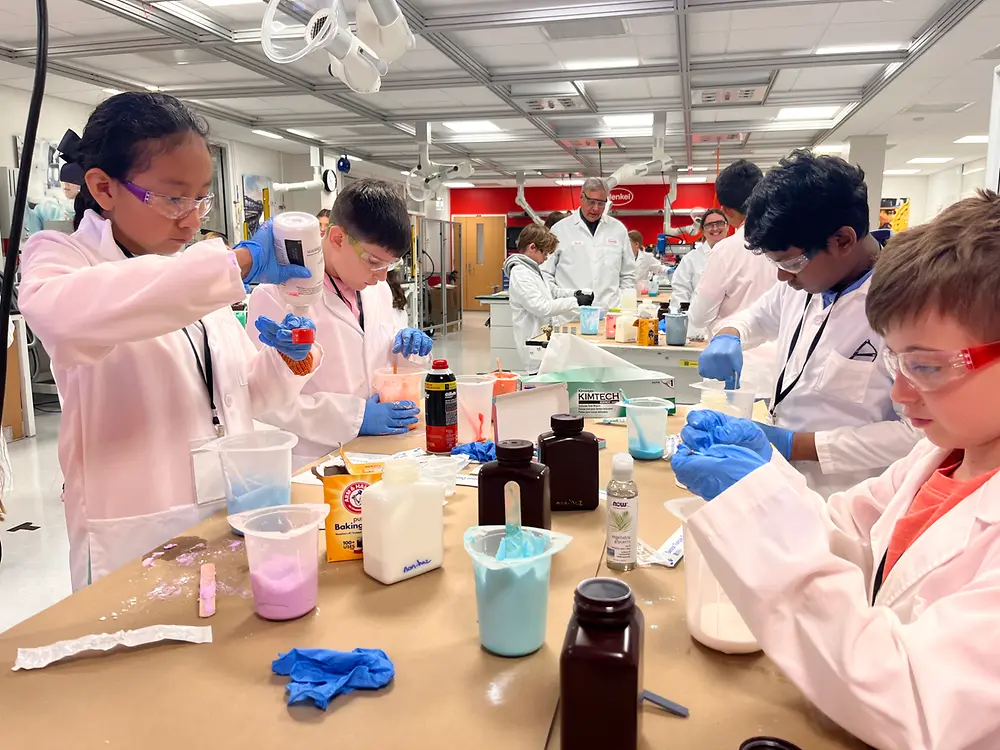
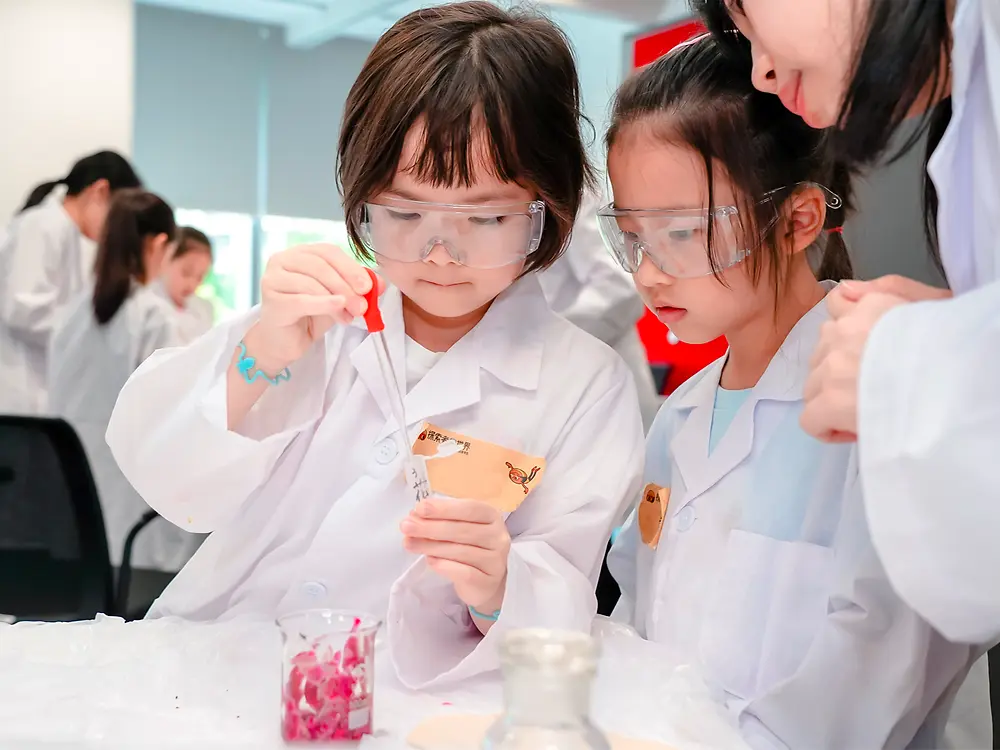
The scent of laundry detergent hangs in the air as children in white coats stand at experiment stations, leaning over fabric swatches and debating which stains the surfactants remove the best – as if they were already part of the real world of advanced research. And that’s exactly the idea: In Henkel’s Researchers’ World in Düsseldorf, primary school children experiment like young scientists. The topics covered in the educational initiative are drawn from Henkel’s own research and are adapted for children in collaboration with subject-matter education specialists. This way, even eight‑ to ten‑year‑olds can discover science for themselves and see just how much of it is hidden in everyday life: for example in the adhesives they use for crafts, the detergents that make their clothes shine again, or the haircare products sitting in their shower at home. Here, the children don’t just learn how experiments work. They experience what science feels like.
Sparking curiosity, experiencing science
In this story, you will learn:
- What the Researchers’ World is and the experiences it offers children
- Which experiments and topics the children explore
- Which skills the children develop – even beyond the initiative
- How the Researchers’ World inspires enthusiasm for science worldwide
- How different local concepts create impact across the globe
- How the initiative continues to evolve through creativity and dedication
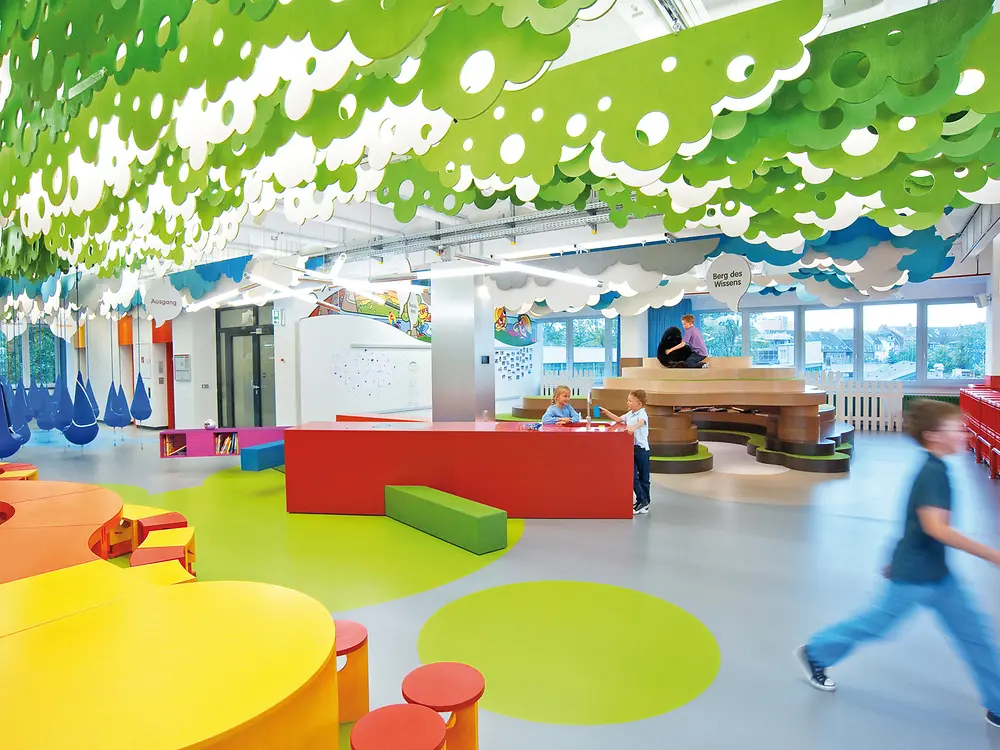
The Researchers’ World itself is not a traditional laboratory but a creative learning environment: Large blue droplets suspend from the ceiling, and a yellow “sun worm” formed from stool seats snakes its way between the experiment stations. At the center rises a small hill – the “mountain of knowledge” – where results are discussed. It is a world built especially for children, where they experiment, explore, and debate – and, for a few hours, work just like the scientists of tomorrow.
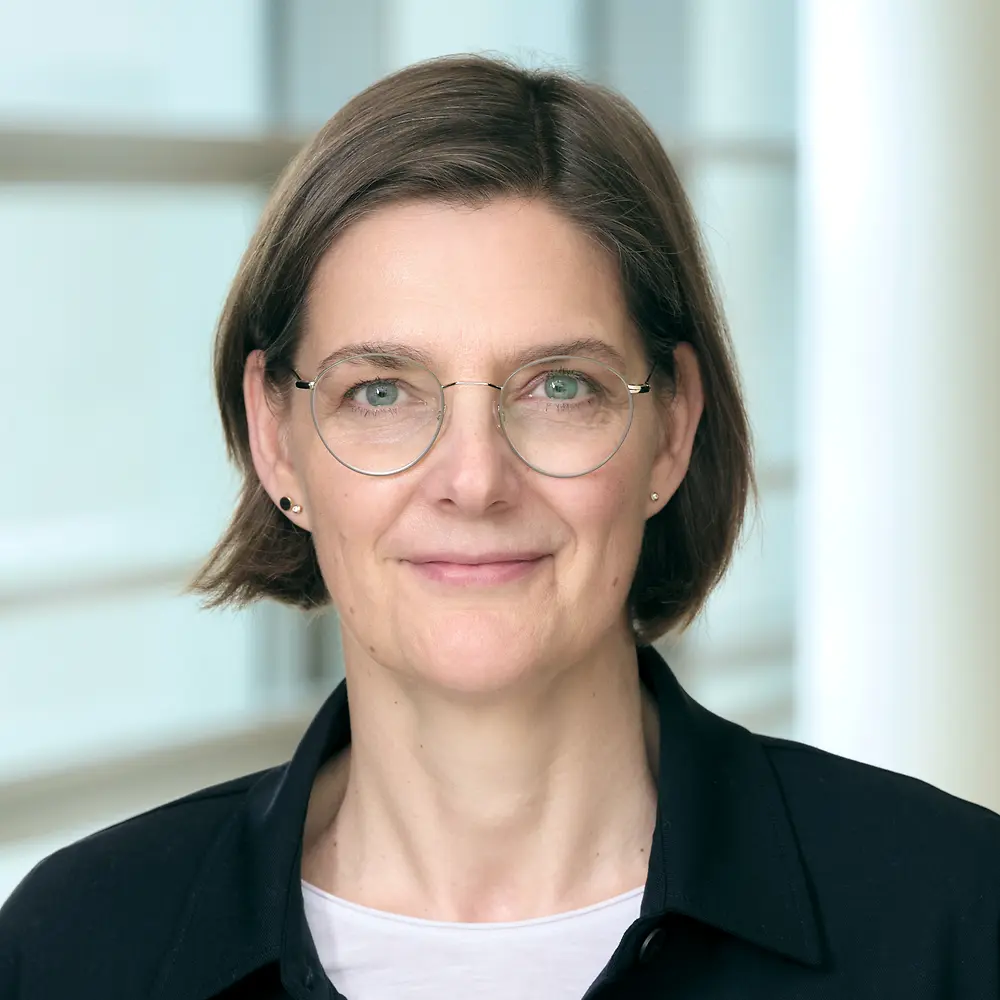
The children take in new knowledge, put it into practice through experiments, and realize: I can do this. I can solve a problem on my own. And once they’ve experienced that, they’re willing to take on completely new challenges.
Dr. Ute Krupp, Head of Education Relations at Henkel
“I will never forget the moment the door opened and the first 24 children walked in,” says Dr. Ute Krupp, responsible for the Researchers’ World at Henkel. “It was pure joy.” As Head of Education Relations, science education topics are at the core of her work at Henkel. The Researchers’ World is her most important project – and one of her passions. “At the beginning, it was only intended as a course offering for the children of our employees,” she recalls. “In April 2011, we welcomed the first group – and in that moment, months of preparation finally became reality.” What began 15 years ago has since grown into a central part of Henkel’s global commitment to education, inclusion, and sustainability. To date, the Researchers’ World has introduced more than 130,000 children in over 20 countries to the natural sciences in a playful way – either in person or digitally. “We want to spark children’s curiosity for science at an early age,” Ute explains. “And we want to give them an authentic glimpse into how researchers approach scientific questions and uncover answers through experimentation. By trying it out themselves, they discover what research involves and how it works.”
SPARKING CURIOSITY.
FROM FASCINATION TO FUTURE.
FROM FASCINATION TO FUTURE.
Experimenting, testing, evaluating
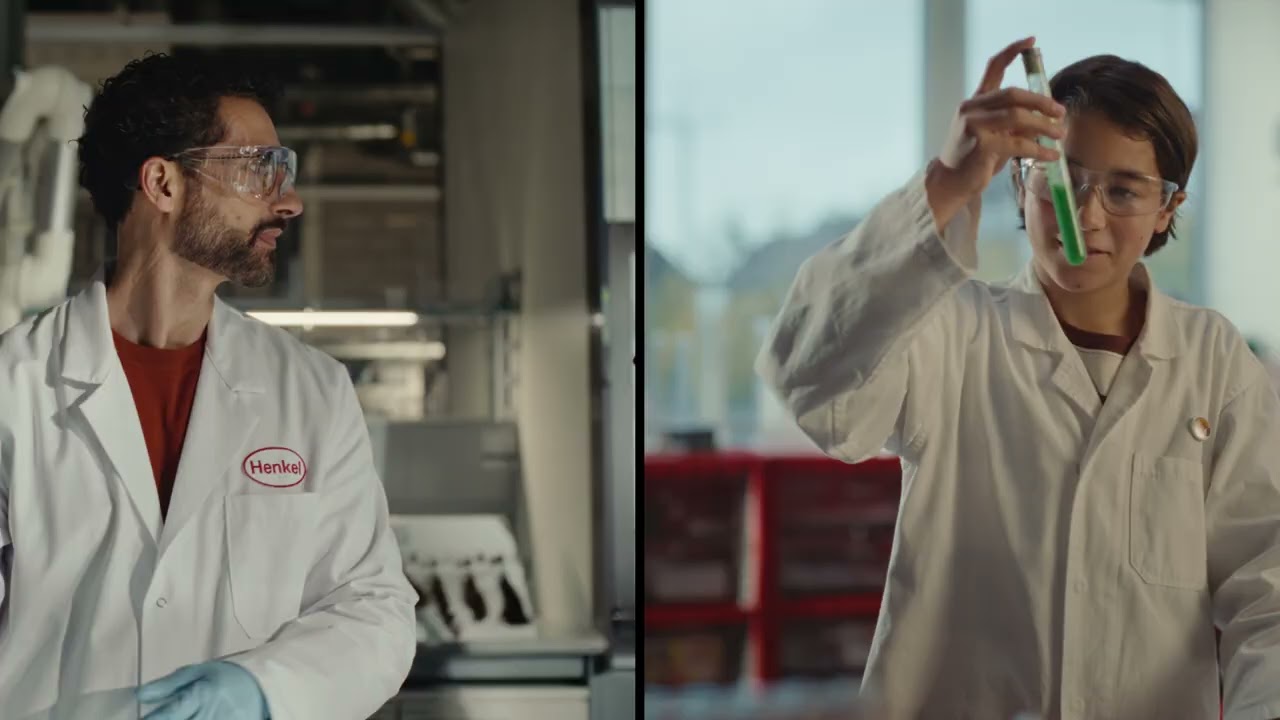
In the Researchers’ World, children learn to ask questions, observe, develop hypotheses, test them, analyze results, and ultimately present their findings. Science becomes a tangible experience here – something they can touch, try out, and challenge. And along the way, they develop key competencies such as critical thinking, teamwork, and problem‑solving – skills that reach far beyond the workbench.
The course content is closely connected to the children’s everyday lives and draws heavily on areas that also shape Henkel itself: adhesives, laundry & home care, and hair care. The young researchers learn, for example, how adhesives are created, how detergents work, how fragrances are developed, how packaging is designed, and how raw materials can be used sustainably. The experiments make scientific methods easy to understand through everyday examples.
The goal: to nurture curiosity and a spirit of discovery from an early age, so that children can better understand their world – and learn that they have the power to shape it. “Research ultimately means being creative, having patience and perseverance, and above all: working together with other people,” Ute explains.
The children learn: “I can do this”
The children, Ute says, learn for life: “The courses are quite intensive. The children take in new knowledge, put it into practice through experiments, and realize: I can do this. I can solve a problem on my own.” For many, it is the moment when uncertainty turns into curiosity – and curiosity into courage. “And once they’ve experienced that, they’re willing to take on completely new challenges.”
A special focus is placed on sustainability: The children explore why resources are limited, how energy can be used efficiently, what recycling means, and how renewable raw materials are changing our lives. In doing so, they not only learn scientific fundamentals but also develop an awareness of ecological connections that they carry with them – into their families, classrooms, and everyday lives.
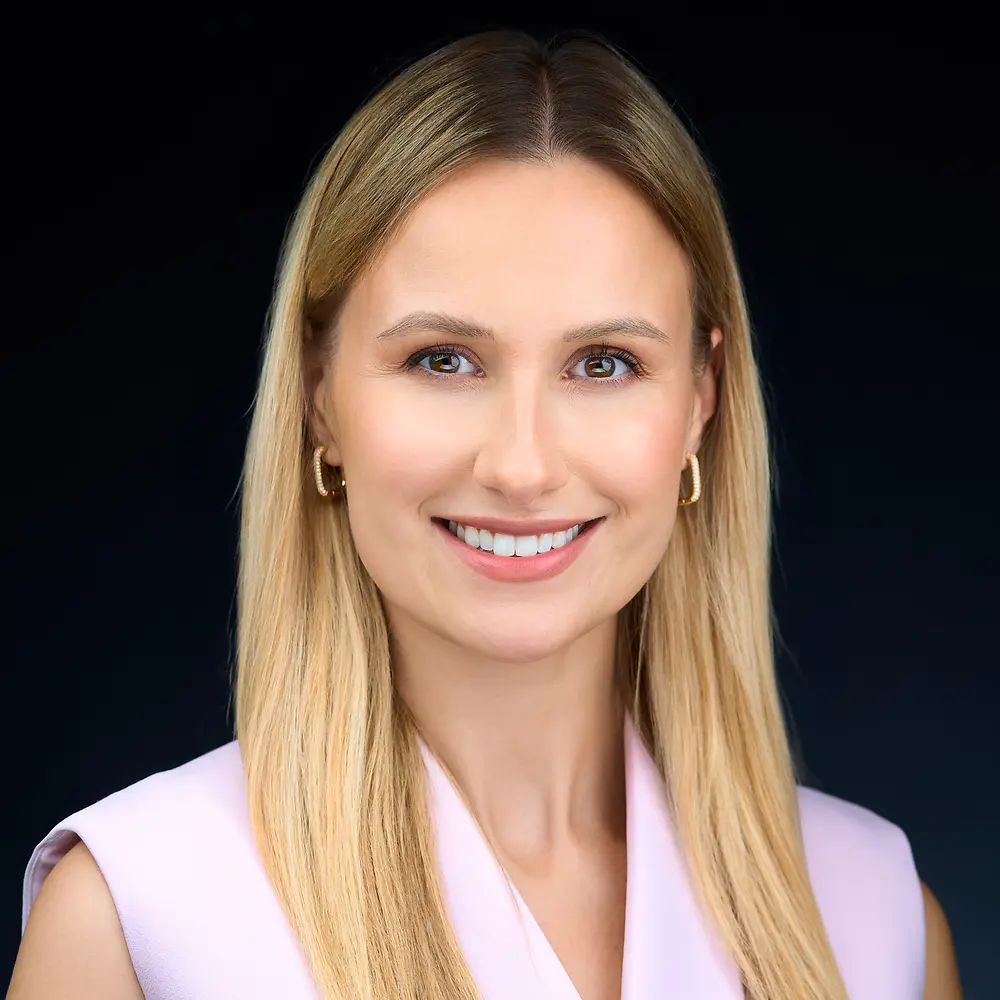
The students experience firsthand that experiments don’t always turn out the same – and that this is completely okay. Discovering different results are part of learning.
Daria Kuźnik, Corporate Communications Manager at Henkel in Poland
Inspiring children around the world
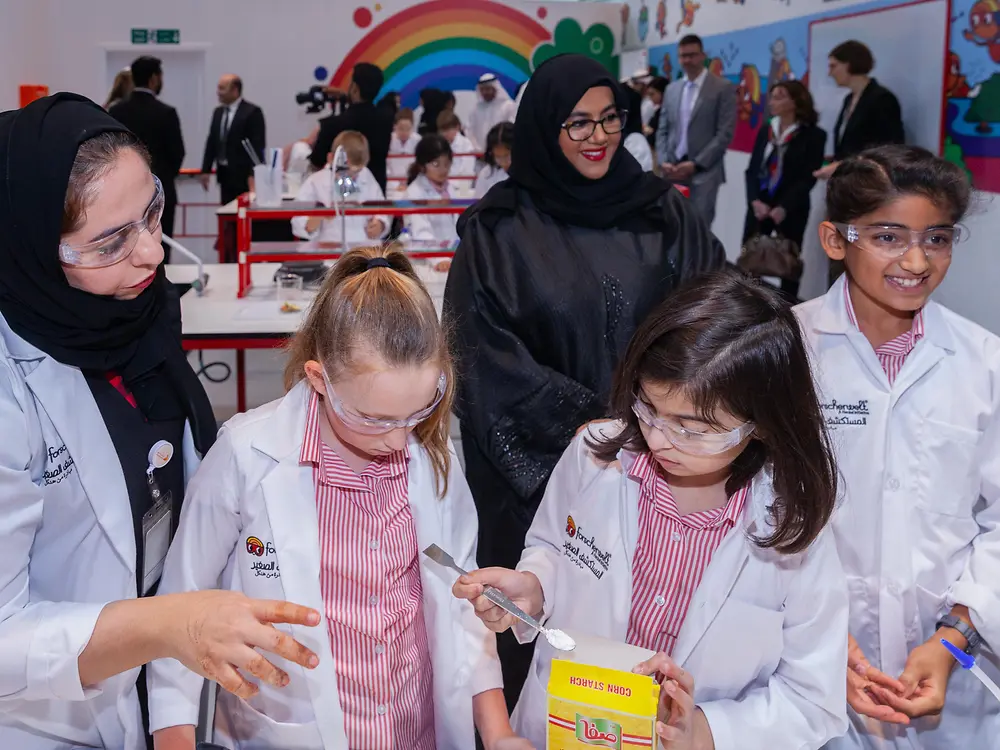
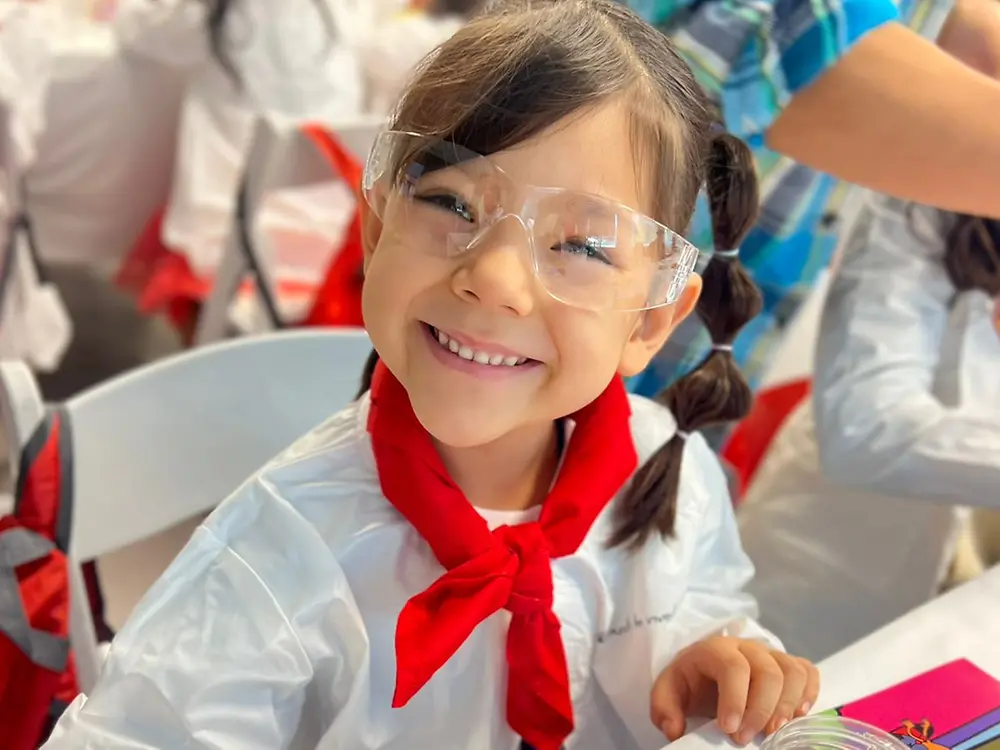
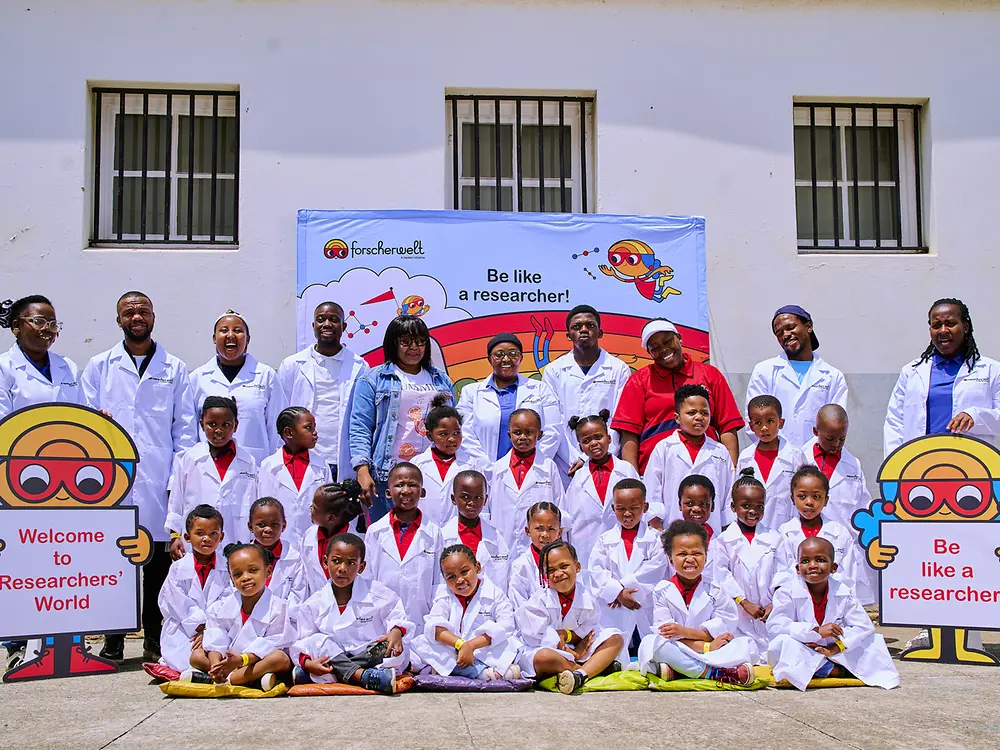
Since 2014, the Researchers’ World has been sparking excitement for science across the globe – in North and South America, Europe, Africa, and Asia. At locations such as Stamford (USA), Istanbul (Turkey), Dubai (UAE), and Pune (India), Henkel teams, educational institutions, teachers, and local partners work together to give children regular insights into the world of science. The basic concept is the same everywhere, yet each country shapes its own unique version of it.
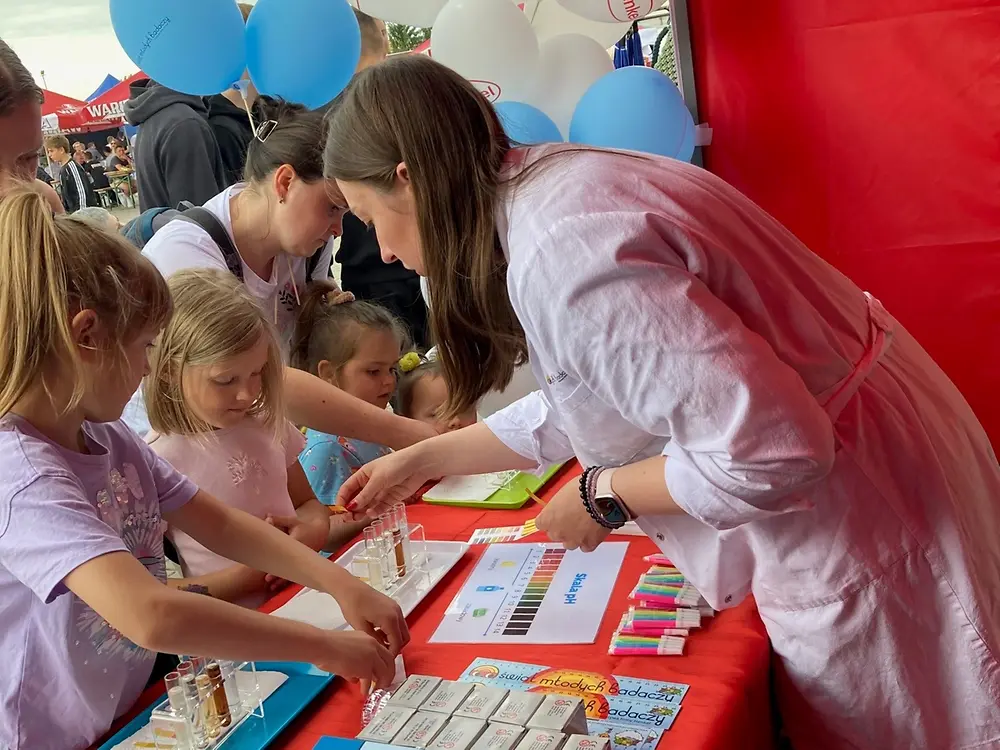
In Poland, for example, the courses mostly take place in schools recommended by Henkel employees. Since 2016, the Researchers’ World has reached more than 12,000 children there. Daria Kuźnik, Corporate Communications Manager at Henkel in Poland, explains: “Many schools here have very little time for hands-on experiments. We go there to spark children’s interest in science: by asking questions, testing ideas, and forming their own hypotheses. The students experience firsthand that experiments don’t always turn out the same – and that this is completely okay. Discovering different results are part of learning.” What moves her most are the small moments afterward when children come up just to say thank you. “For them, it’s more than just a regular lesson – it might even be the beginning of a new passion.”
In North America, the Researchers’ World is brought to life in a dedicated classroom with their partner NGO Mill River Park Collaborative in Stamford, CT. Kristia Janowski, the organization’s Director of Education and Sustainability, shapes the program locally: “We all spend so much time surrounded by screens these days. That’s why it’s important to me to offer something different and show children how exciting the real world can be. When we encourage that sense of wonder in them, it can ignite a spark that stays with them for life and opens up so many possibilities.” Lee Anne Fernandez, Senior Manager People & Culture Communications at Henkel in North America, has been involved since the project launched in 2021 and remembers how small it all started: “I thought we might reach a few hundred children. Now more than 10,000 have already taken part – and the number grows every day. For some children, it’s the first time they realize that science can actually be fun. I love how we are inspiring the next generations to create a better future.”
A real social opportunity
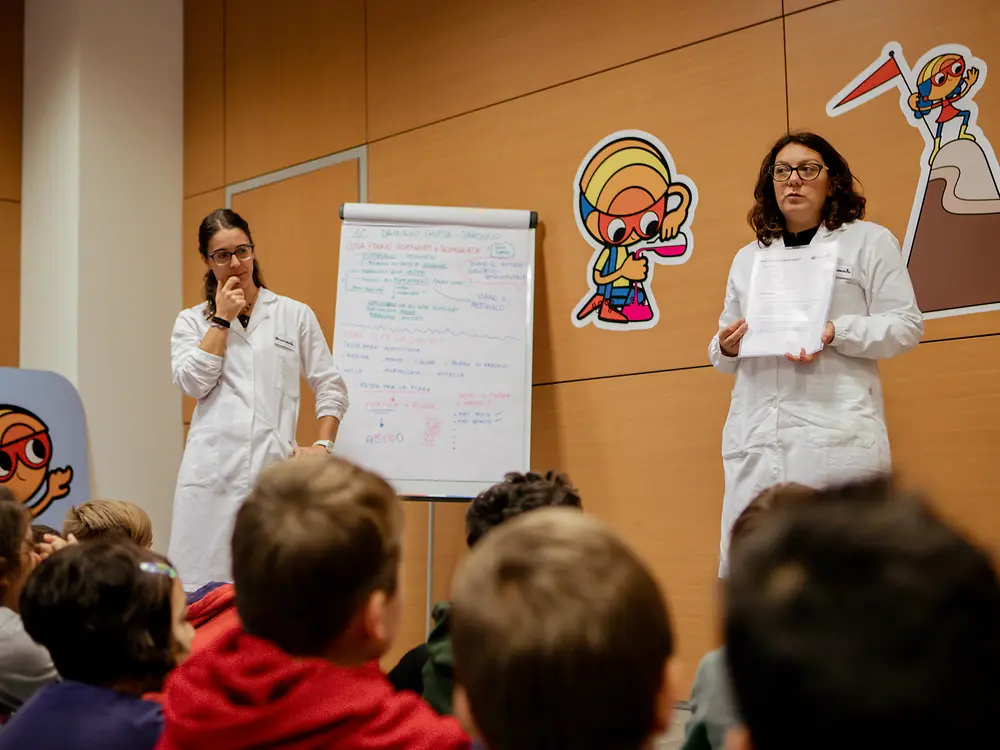
In Italy, a conference room at Henkel’s Milan site is transformed into the Researchers’ World for four weeks each year. Students from the surrounding area come in to take part in the courses. “We also run additional sessions in several schools across the region,” explains Francesca Birondi from Henkel’s Communications team in Italy, who coordinates the Researchers’ World locally. “Last year, we even went to Rome to support a school there. And to mark our ten year anniversary this year, we’re planning to offer courses for older students for the first time.” With these different formats, Henkel Italy has already reached more than 18,000 students, says Silvia Mattavelli, who helps design and implement the program for Henkel: “Our initiative is not just an education or training program – it’s a real social opportunity, because many schools simply don’t have the means or resources to conduct scientific experiments.”
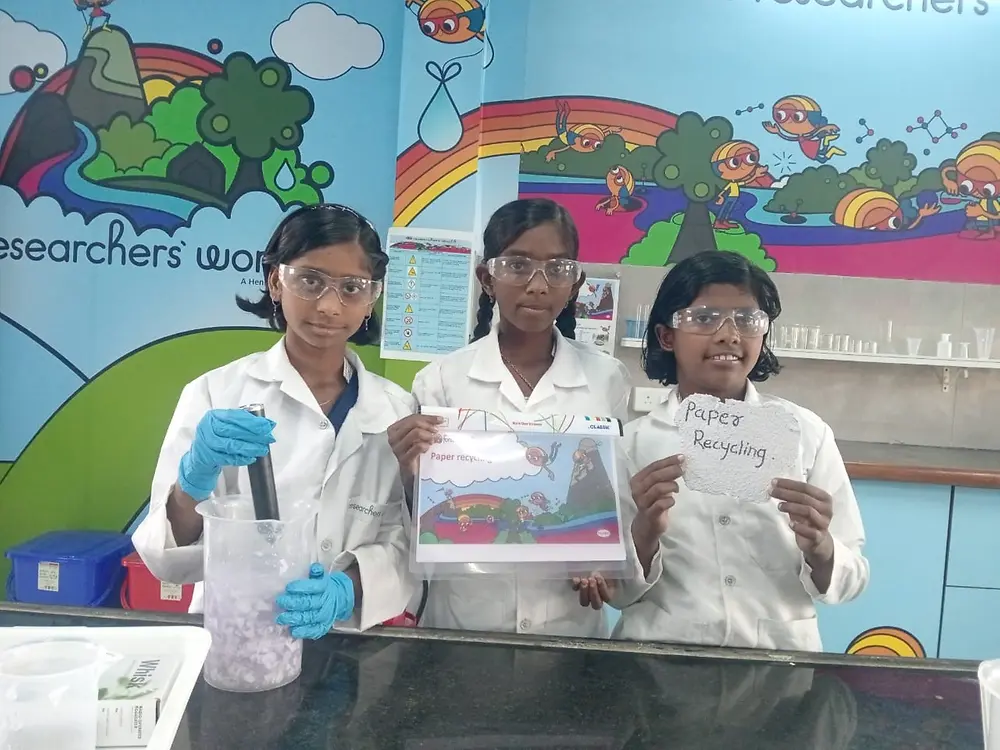
In India, the doors to the Researchers’ World open three days a week. Here, the courses take place in a dedicated laboratory created especially for the program. The lessons are taught on a voluntary basis by scientists from the nearby Henkel site. “Our lab has become a true hub for learning – for students from 40 nearby schools,” says Dr. Prasad Khandagale from Henkel, who trains the volunteer teaching team on site and plays a key role in coordinating the Researchers’ World in India. The program is also designed for students from disadvantaged backgrounds, ensuring they have access to high‑quality STEM classes. “When their experiments succeed, the room fills with laughter and excitement,” Dr. Prasad explains. “Seeing their confidence grow – and their proud smiles when they receive their certificates – moves and inspires me every time.”
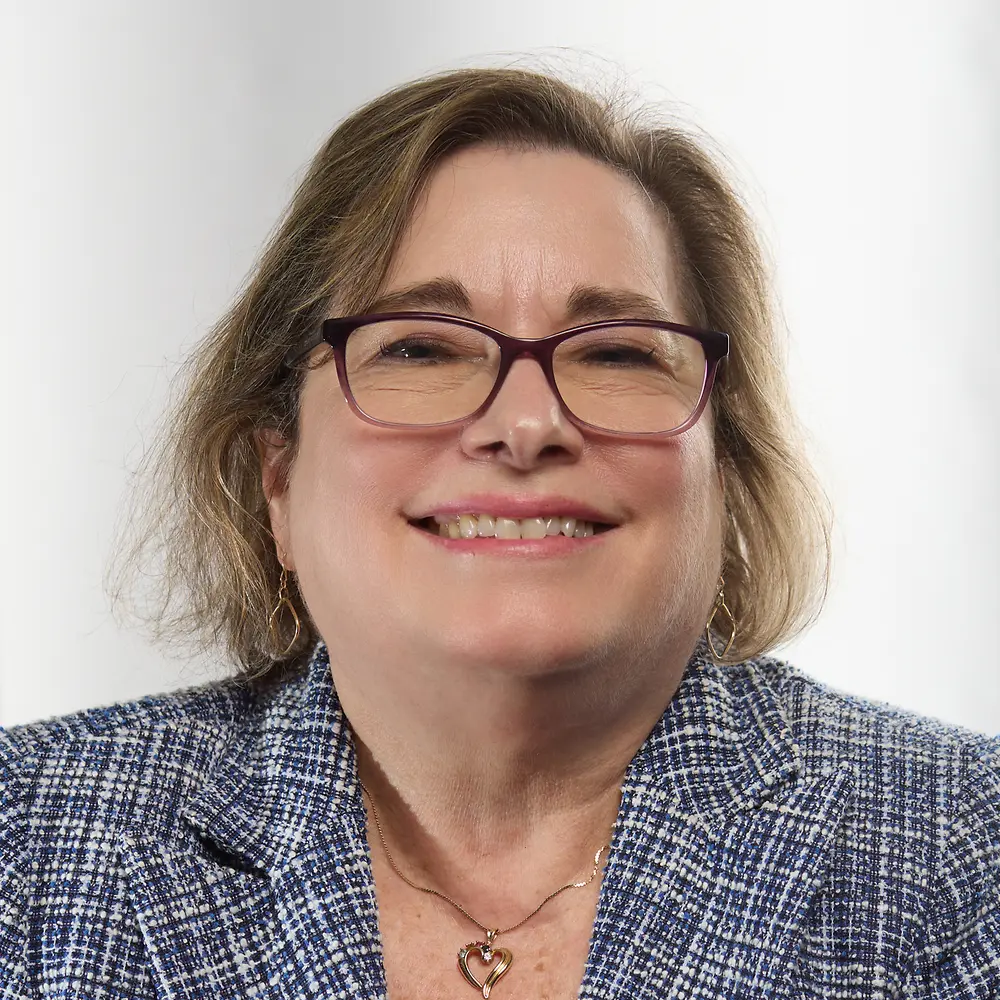
For some children, it’s the first time they realize that science can actually be fun. I love how we are inspiring the next generations to create a better future.
Lee Anne Fernandez, Senior Manager People & Culture Communications at Henkel in North America
Where learning comes to life
The Researchers’ World is not only a special experience for the children who take part – it is also something very meaningful for the Henkel employees involved. The team’s commitment shows in everything they do. Each element is shaped by their own creativity and passion. “Together with the subject-matter education experts led by Prof. Katrin Sommer from the Ruhr University Bochum, we organize and design everything ourselves,” Ute explains. “From the very first idea for an experiment to the moment the children walk out the door – there’s so much heart in it.” Bringing projects to life through their own initiative is a long‑standing tradition at Henkel. “It gives us a lot of freedom to be creative and try out new ideas,” says Ute.
But the work extends far beyond the physical space. In addition to the courses, the initiative also supports teachers through training programs and provides online teaching materials. This helps foster long‑term, sustainable learning and strengthens science education beyond the walls of the Researchers’ World. Even after 15 years, Ute – who personally leads most of the courses – is still amazed by the impact experimenting can have on children. “When I see a class you’d expect to be wild suddenly talking calmly, working carefully with the materials, and solving the tasks together, it warms my heart. You can practically watch learning happen: When insights emerge, when connections become clear, when the gears in their minds start turning. In those moments, the children are fully immersed. It’s an incredibly beautiful and fulfilling experience.”

SOCIAL ENGAGEMENT
CONTRIBUTING TO THRIVING COMMUNITIES
Paving the way to a viable and sustainable future for all with passion and commitment – that is one of our ambitions as "Pioneers at heart for the good of generations". Organizations and private initiatives around the world rely on the support of people who are willing to help on a voluntary basis.
SPOTLIGHT
MAGAZINE
MAGAZINE
Discover our features with stories and expert insights on innovation, sustainability, digitalization and Henkel’s pioneering culture.