
The scent of freshly washed laundry – at the beginning of the 20th century, achieving that required hours of strenuous work. Clothes had to be scrubbed, swirled, and kneaded until they were clean. When Persil was launched in 1907, it fundamentally changed the way people washed their clothes. A small household revolution: As the first self acting detergent, it significantly decreased the need for time consuming physical labor. What arrived in people’s homes back then was more than a new formula – it was a piece of the future. A product that stood for relief, for everyday progress, and for the promise that innovation can be felt directly in people’s lives.
Story
Where tradition meets technology
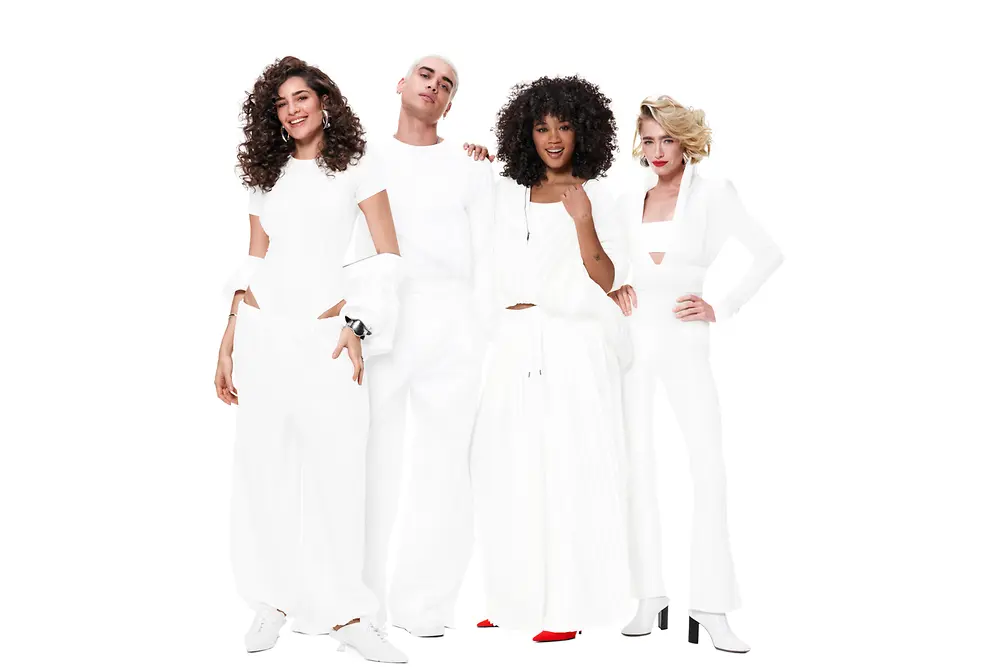
Long‑lasting brands shape the future – while at the same time they provide reliability in the here and now. This promise has accompanied Persil since its market launch. Because a brand only stays relevant if it continuously reinvents itself. In 1959, Persil 59 became the brand’s first fully synthetic detergent – and for the first time, the detergent featured a distinct fragrance of its own, one that has been continuously refined over the decades. In 1968, enzymes were introduced, enabling Persil to tackle stains by breaking them down in a biological way. And in 1986, Persil introduced one of the first phosphate‑free detergents to the market – sending a clear signal that innovation can also mean responsibility.
REINVENTING DEEP CLEAN.
FROM CARE TO CONFIDENCE.
FROM CARE TO CONFIDENCE.
Driving process along evolving needs
Making laundry more efficient – that has been Persil’s goal for almost 120 years. To meet the changing needs of consumers, Persil brings together tradition and modern research. This connection is also reflected in the brand’s communications. “We recently brought back our iconic advertising figure, the Lady in White from 1922, in our first AI‑generated commercial,” says Jan Kruse, Global Category Director Laundry at Henkel. “New – yet full of history.” For innovations to be successfully created and brought to life, the right environment is essential. “Understanding the needs of our customers, helping to shape trends, and developing solutions that make everyday life easier has always been our motivation,” says Jan. “Experimenting with new ideas and actively driving change is deeply rooted in our corporate culture. This has a huge impact on Persil’s long‑term success – and on Henkel’s as well.”

Deep-clean laundry is more than just a result – it creates a feeling of freshness, lightness, and renewed energy. A feeling that helps people start their day on a positive note and be ready for whatever lies ahead.
Jan Kruse, Global Category Director Laundry at Henkel
Continuous development: A brand characteristic
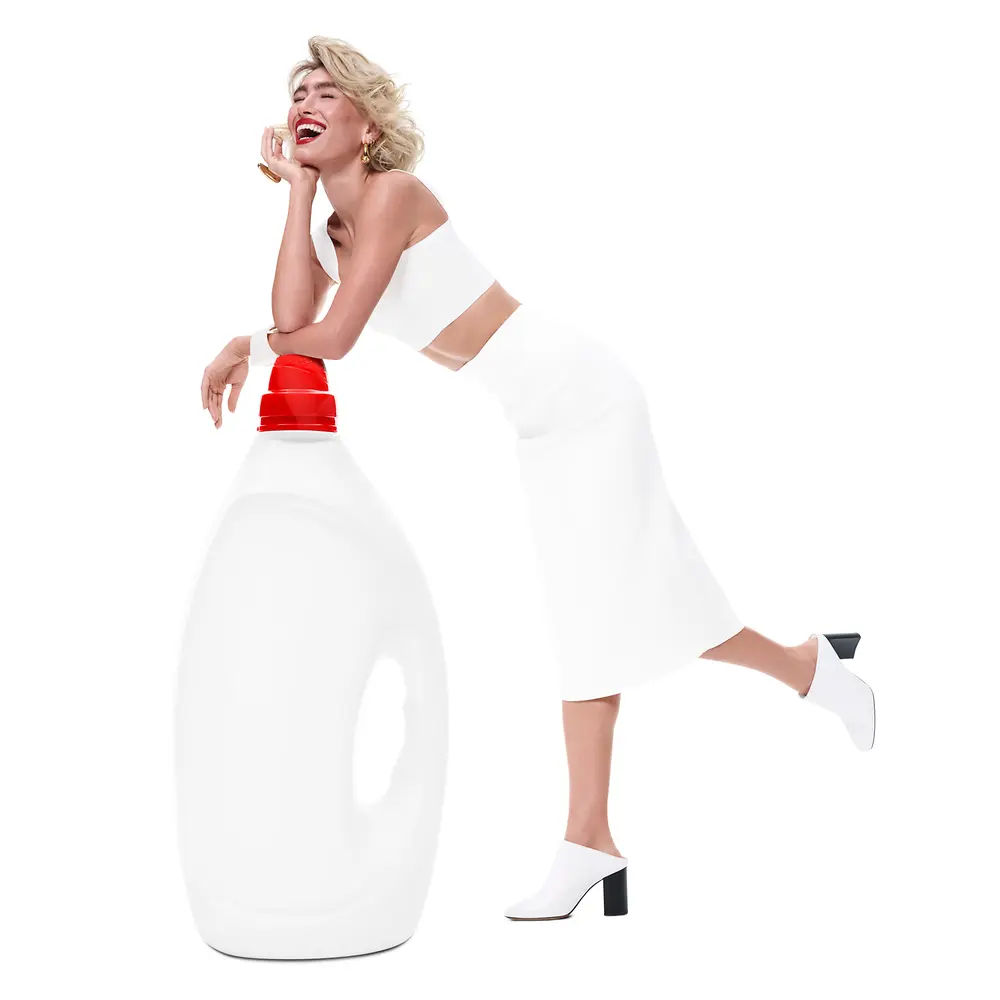
Even after the many major innovation milestones throughout Persil’s history, the brand continues to evolve – a quality that remains a source of strength to this day, says Jan. Our stability and strength are rooted in decades of innovative thinking. Persil has consistently managed to reinvent itself. The German slogan ‘Persil remains Persil – because Persil never stays the same’ still holds true today: Persil stands for progress.” This principle also shapes the brand’s current transformation. With its new brand communication, Persil is entering a new era – one that goes beyond pure product performance to focus on empowering consumers to approach their day with confidence. At the same time, the teams are working on the detergents of tomorrow: products that have been consistently further developed and that are to support consumers even better through new innovations and advanced technologies in the future, by combining powerful cleaning performance with the feeling that deep-clean, fresh laundry creates.
One of the key drivers of innovation today is sustainability – and that starts with packaging. “As a company, it matters to us to develop forward-looking, more sustainable products,” says Carsten Bertram, Head of Packaging Sustainability for Consumer Brands at Henkel. Of course, we listen very closely to what retailers and consumers are looking for but equally strong is our teams’ own ambition to actively drive sustainability forward.” As a result, the familiar semi‑transparent bottles have gradually disappeared from store shelves – one of the most visible changes. “We switched from polypropylene to high‑density polyethylene (HDPE). This material contains a higher share of recycled plastic and can be recycled much more frequently in practice.” For Henkel, this was a conscious decision, says Carsten. “For years, being able to see the colored liquid through the packaging was part of the brand identity. To make our products more sustainable, we changed this familiar brand look. It was a bold move – but the right one.”

As a company, it matters to us to develop forward‑looking, more sustainable products. Of course, we listen very closely to what retailers and consumers are looking for but equally strong is our teams’ own ambition to actively drive sustainability forward.
Carsten Bertram, Head of Packaging Sustainability for Consumer Brands at Henkel
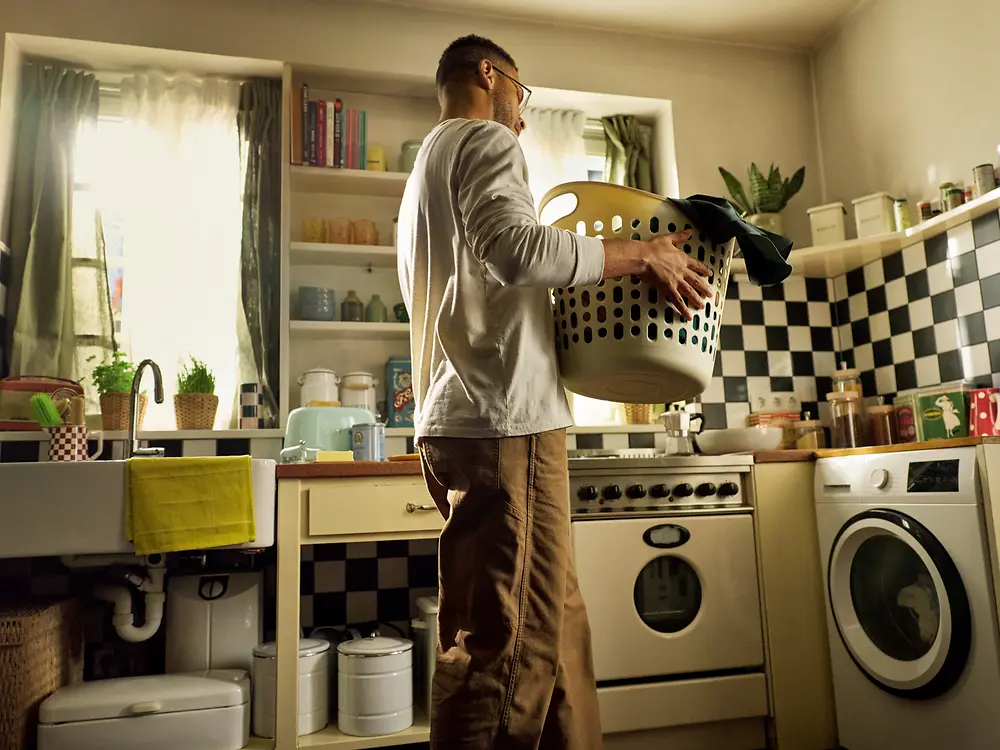
IN GERMANY, MORE THAN
4 MILLION LOADS
OF LAUNDRY ARE WASHED WITH PERSIL EVERY DAY.
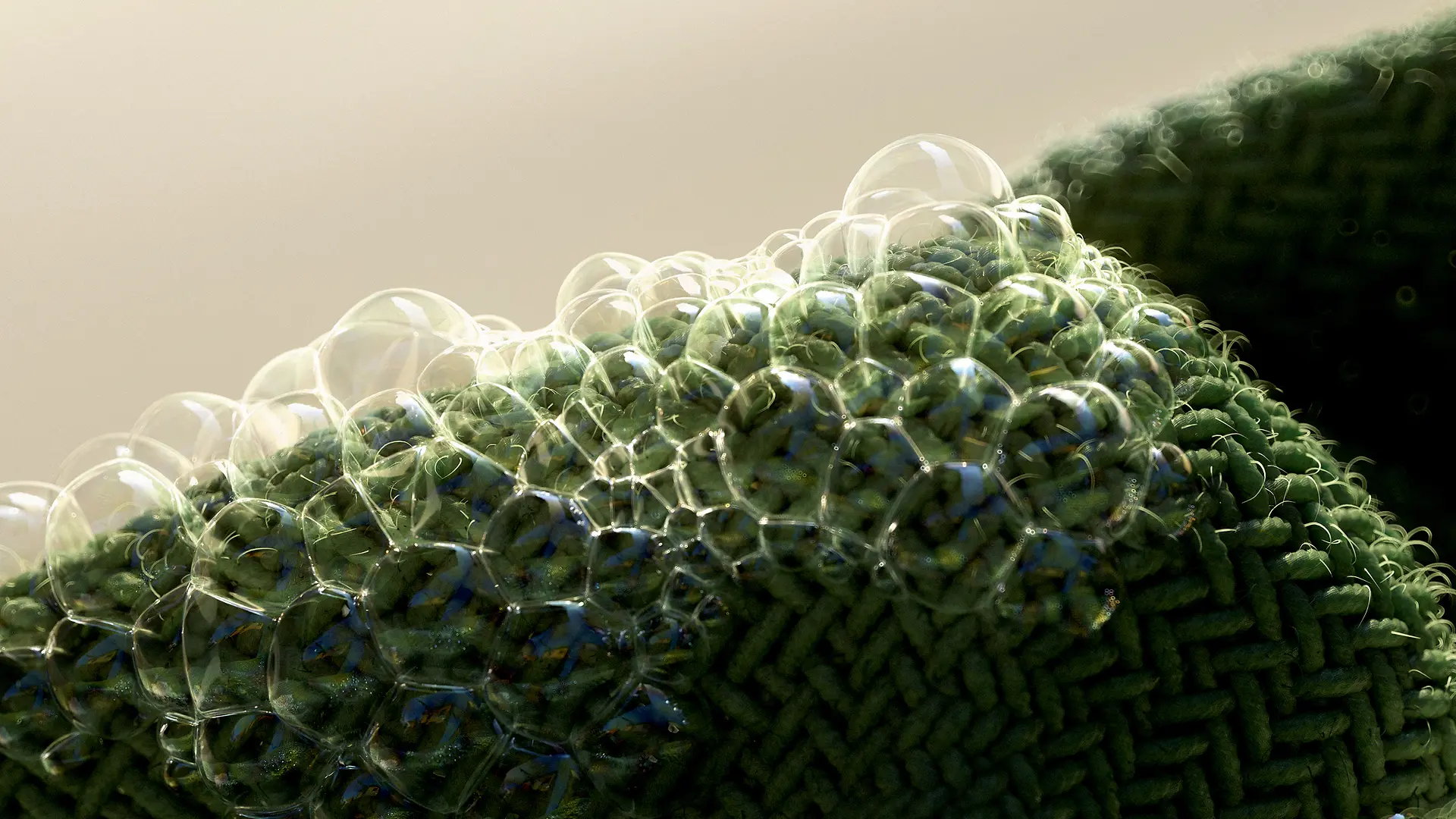
Beyond these highly visible changes, the team behind the brand is also working on further, less obvious improvements to make Persil steadily more sustainable – sometimes they are only small technical adjustments that are hardly noticeable to consumers. One example is an additional sealing ring that provides greater stability and protection during transport. Should a bottle be dropped, the risk of leakage is significantly reduced, allowing the product to remain usable. The label material has also been changed from paper to plastic labels. “Now both the bottle and the label are made from the same type of plastic, making them far more recycling-friendly,” says Carsten. “Depending on the recycling facility, paper labels can sometimes cause issues. And if a bottle is ever labeled incorrectly, a plastic label can be removed cleanly, whereas a paper label cannot.”
More sustainable solutions are also being continuously developed within the product itself. “Over the decades, we have gradually complemented surfactants and bleaching agents with highly effective enzymes that target specific types of stains,” explains Antje Gebert, Head of R&D Future of Liquids at Henkel. “Protease was one of the first enzymes used to tackle protein‑based stains – today, nine different enzymes work together in Persil, and the product is completely phosphate‑free.” Many of these improvements take place quietly in the background. “For example, we have reduced transport‑related emissions through more compact formats and optimized logistics,” Antje continues. “And surfactants, which make up a large share of the detergent, have been progressively replaced in collaboration with BASF using the biomass balance approach – allowing us to integrate increasing amounts of renewable raw materials into existing production processes and reduce the product’s CO₂ footprint.”
A journey through the history of Persil
1907
A revolution in the laundry room
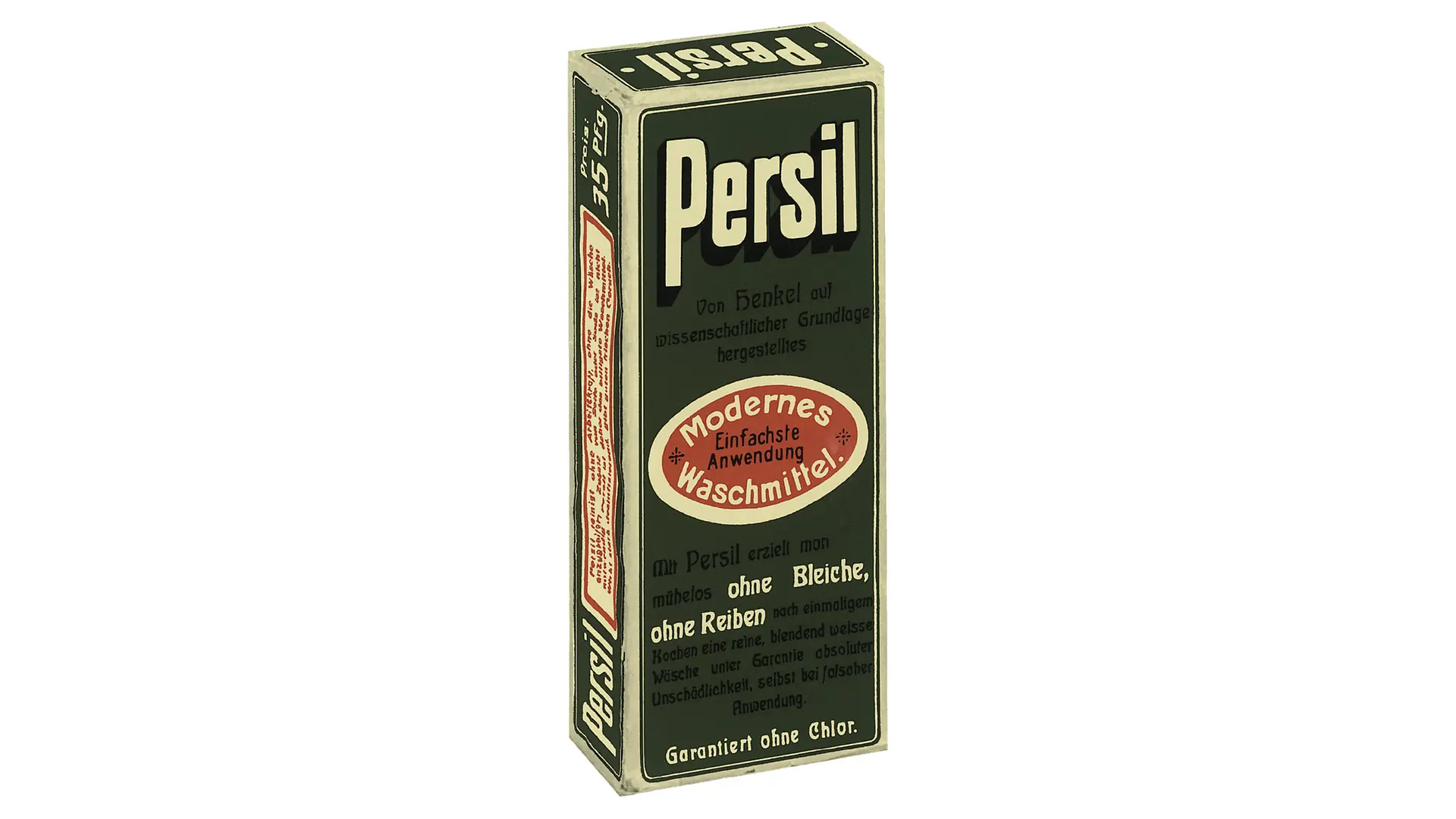
The launch of Persil as one of the first self‑acting detergents revolutionizes laundry care and makes Henkel the market leader for detergents in Germany.
1922
The birth of an advertising icon
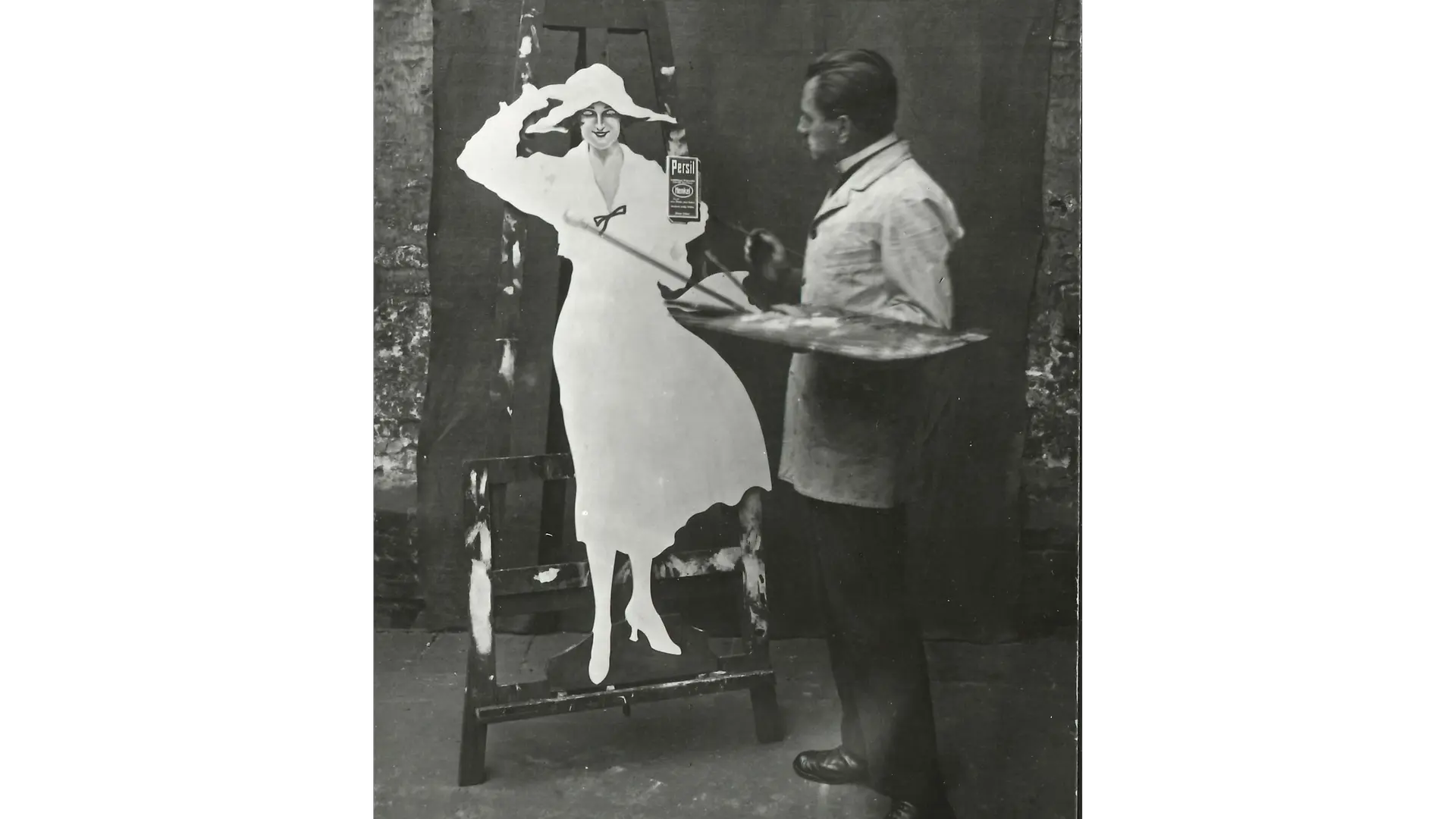
In 1922, Berlin artist Kurt Heiligenstaedt creates Henkel’s most famous advertising figure to this day – the Lady in White. She remains Persil’s central advertising icon well into the 1960s, appearing in magazines, on enamel signs, posters, house facades, and even street clocks.
1956
The first TV commercial on German television
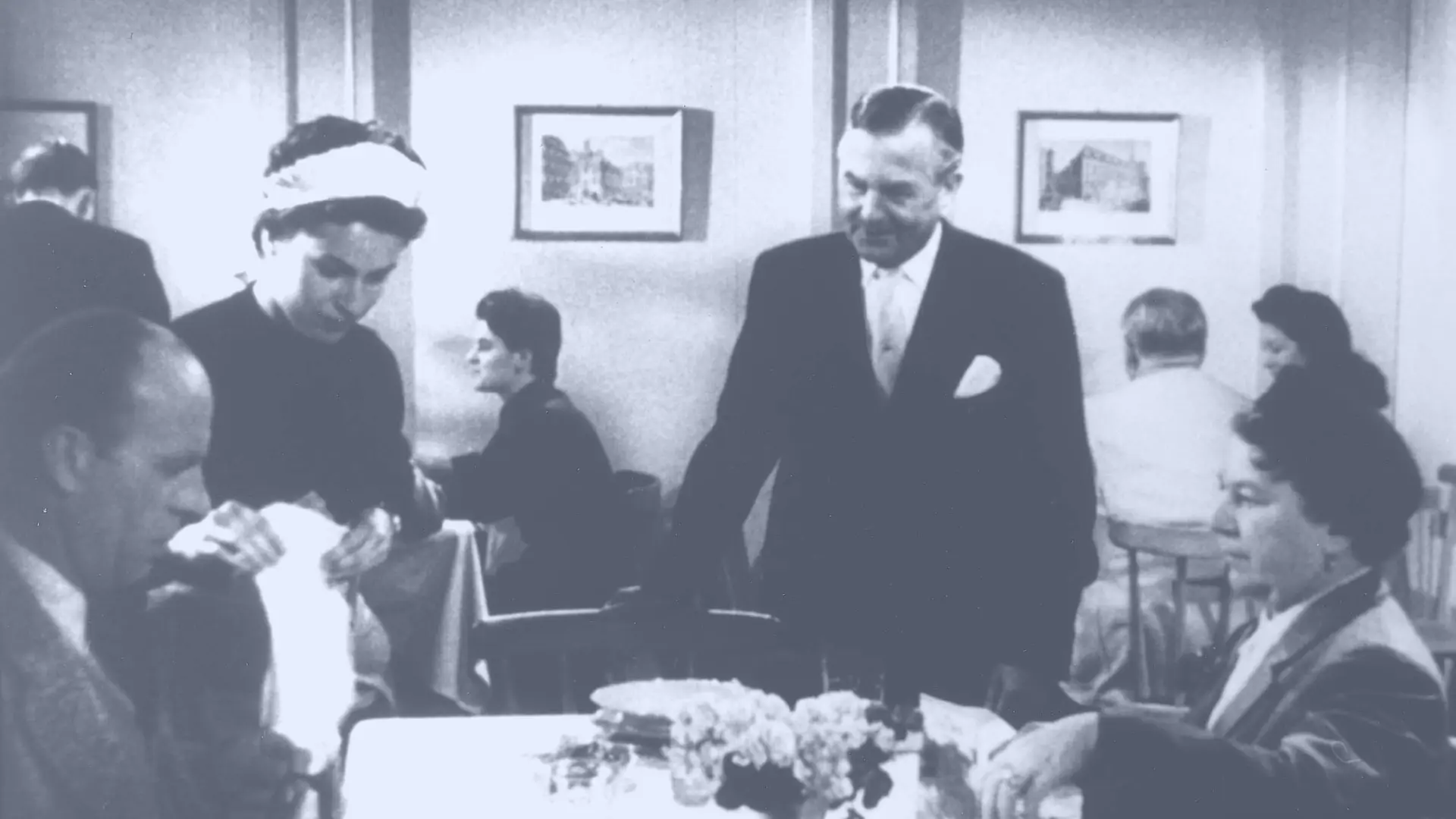
In November 1956, Bayerischer Rundfunk airs Germany’s first television commercial featuring well‑known comedy stars. In the leading role: Persil.
1986
Progress for the environment
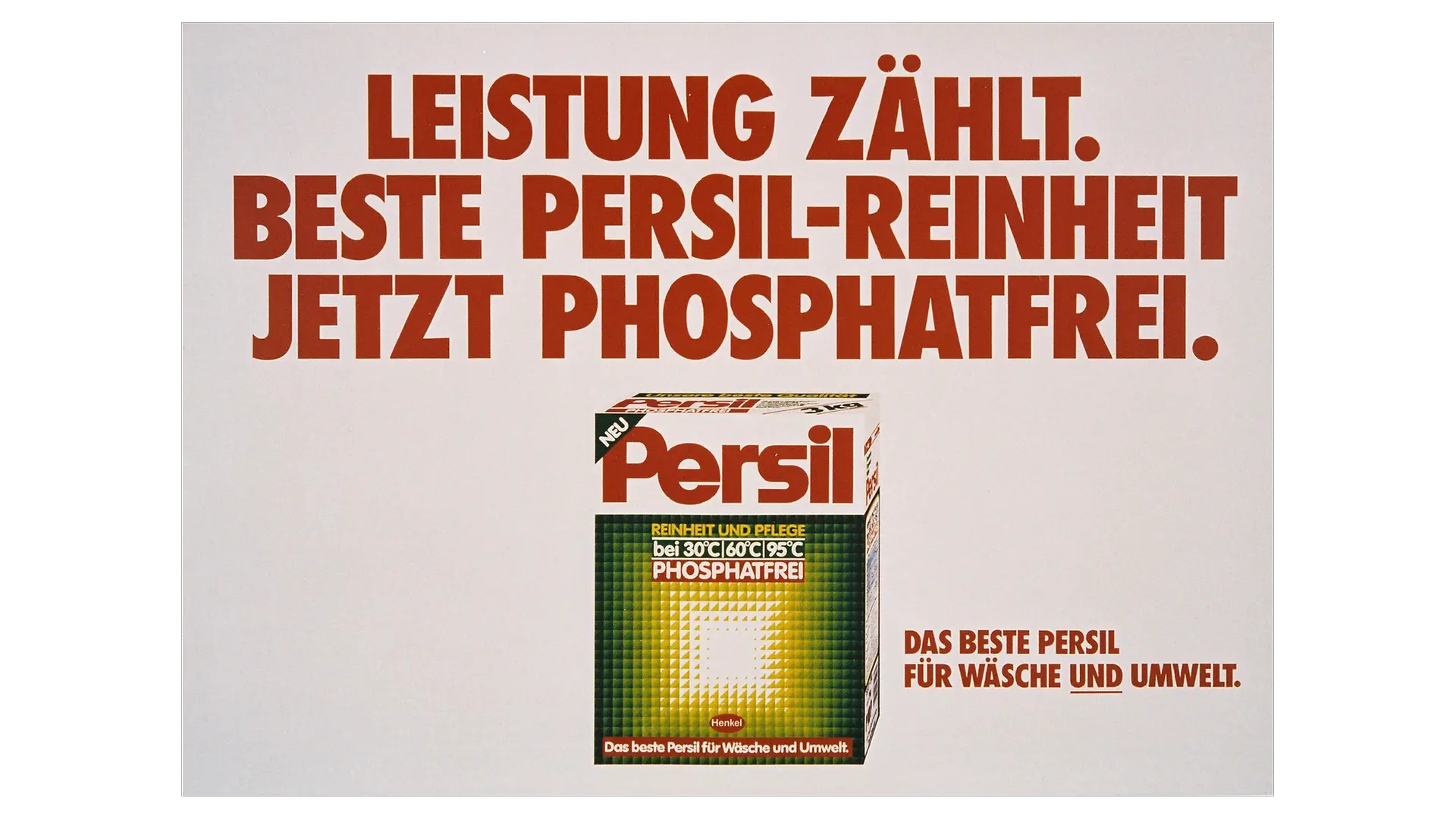
As early as the 1950s and 1960s, Henkel begins researching biodegradable surfactants and alternatives to phosphates to reduce environmental impact. In 1986, the first phosphate-free detergent is launched.
1994
Pearls instead of powder
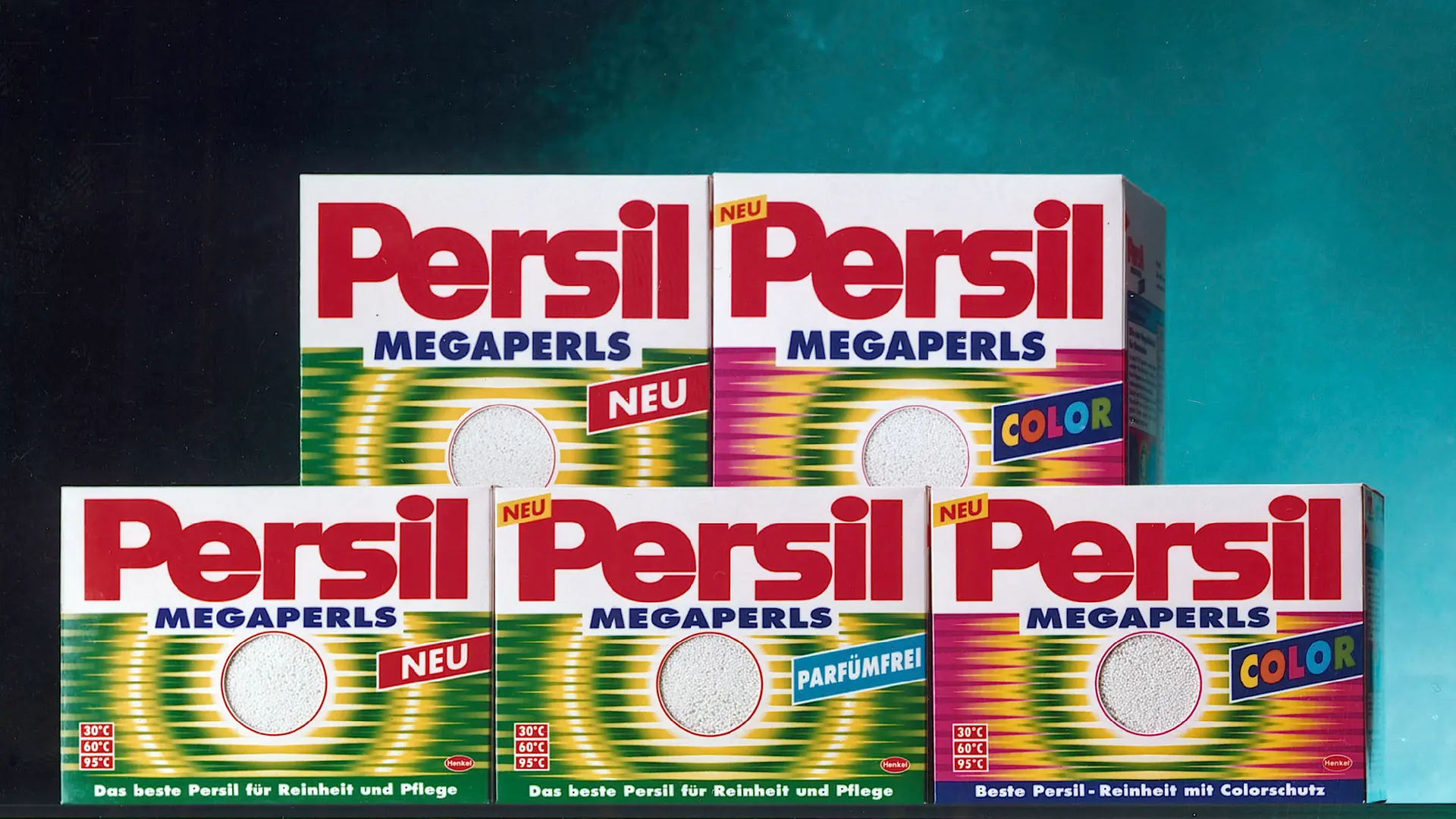
After five years of intensive research, a completely new production technology marks another breakthrough – and a new generation of detergents. Persil Megaperls deliver improved cleaning performance while requiring significantly lower dosages. The technology is patented across Europe.
2012
A milestone in research
and development
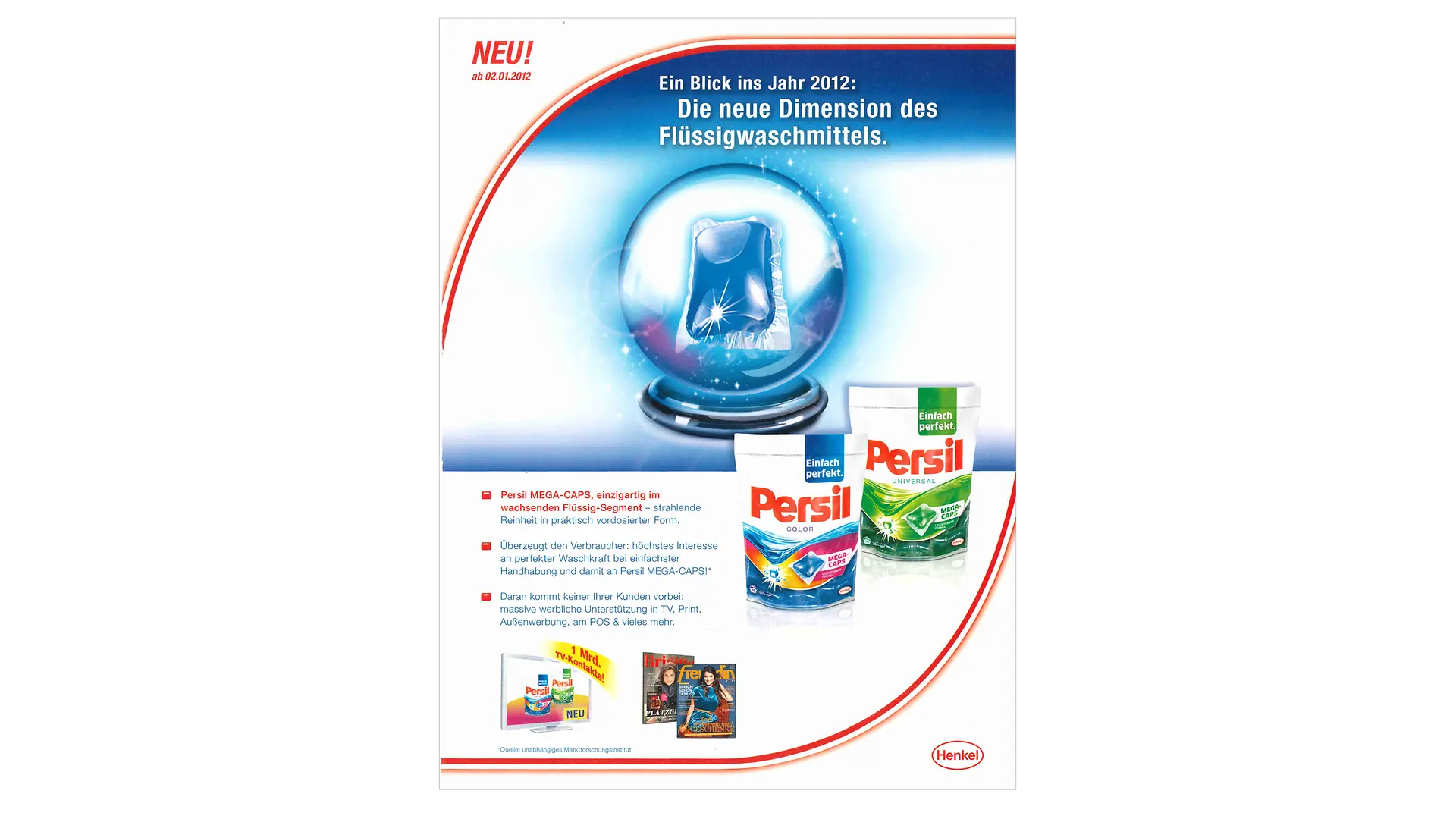
With Persil Mega-Caps, pre-dosed liquid detergent can be placed directly into the washing machine drum for the first time.
2021
The next generation of clean
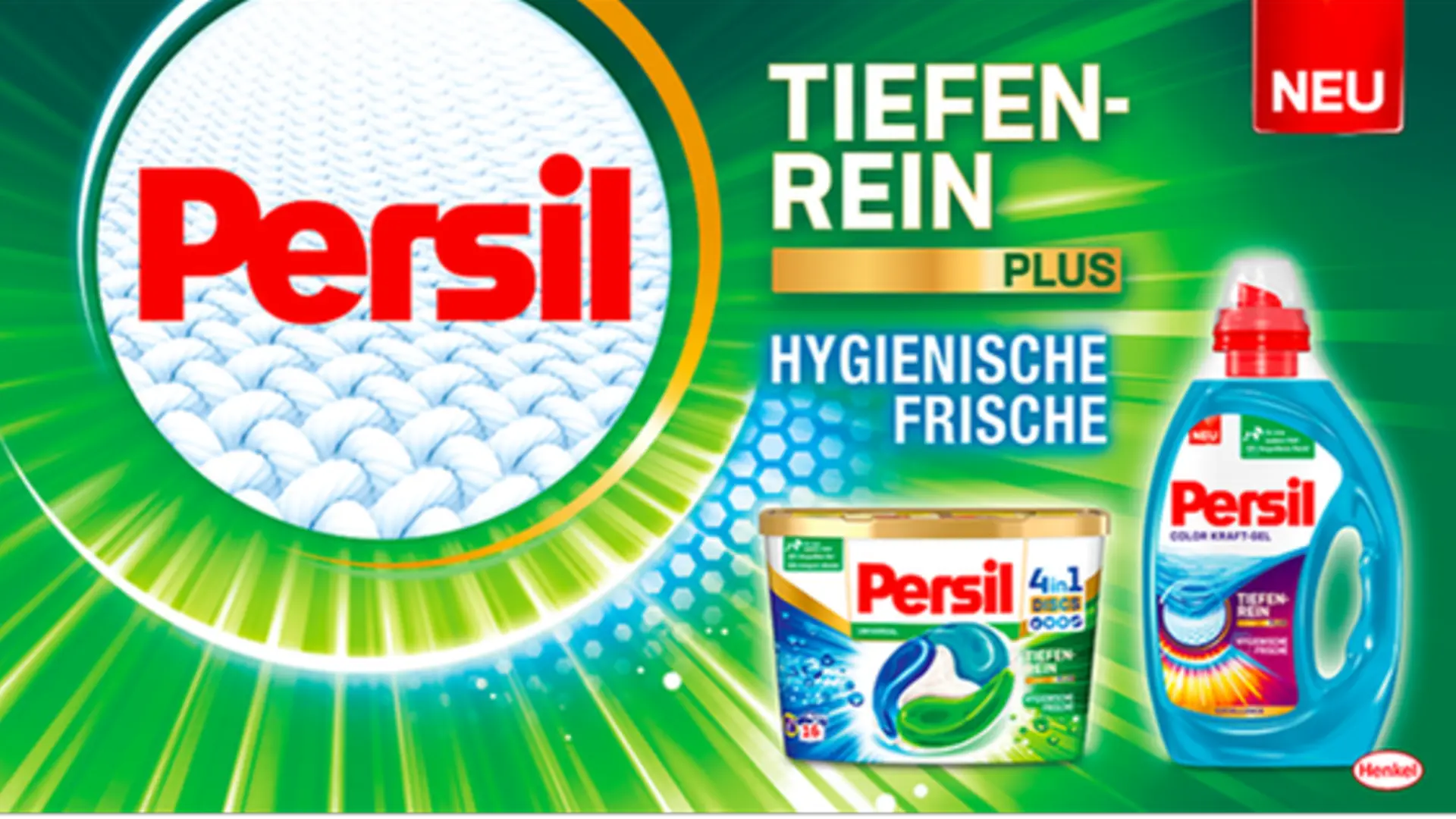
Thanks to the new deep clean technology, even week‑old and particularly stubborn stains can be reliably removed. Since 2025, an enhanced version featuring a new innovative enzyme has made it possible to dissolve adhering bio‑dirt layers even more effectively. This releases deeply embedded residues from fibers – giving laundry up to five times more brightness.
2025
First AI-generated commercial

In its first AI‑generated commercial, Persil brings the Lady in White back to life – demonstrating how seamlessly the brand connects tradition and innovation.
2026
A new era of brand communication

The new campaign marks the beginning of a new chapter in Persil’s brand communication. It shows what drives the brand – not only making everyday life easier for consumers, but also giving them the feeling of freshness and comfort in their clothes, empowering them to step into the day ahead with confidence.
The way we do laundry
Jan and his team always take a long‑term perspective. They work closely with Antje and their research and development colleagues. Together, as the “Future of Laundry” team, they are shaping the detergent of tomorrow. “We focus on questions such as: Which new textiles are entering the market? Which types of stains are becoming more relevant? And how are water consumption, washing machines, raw materials, or regulations evolving?” Antje explains.
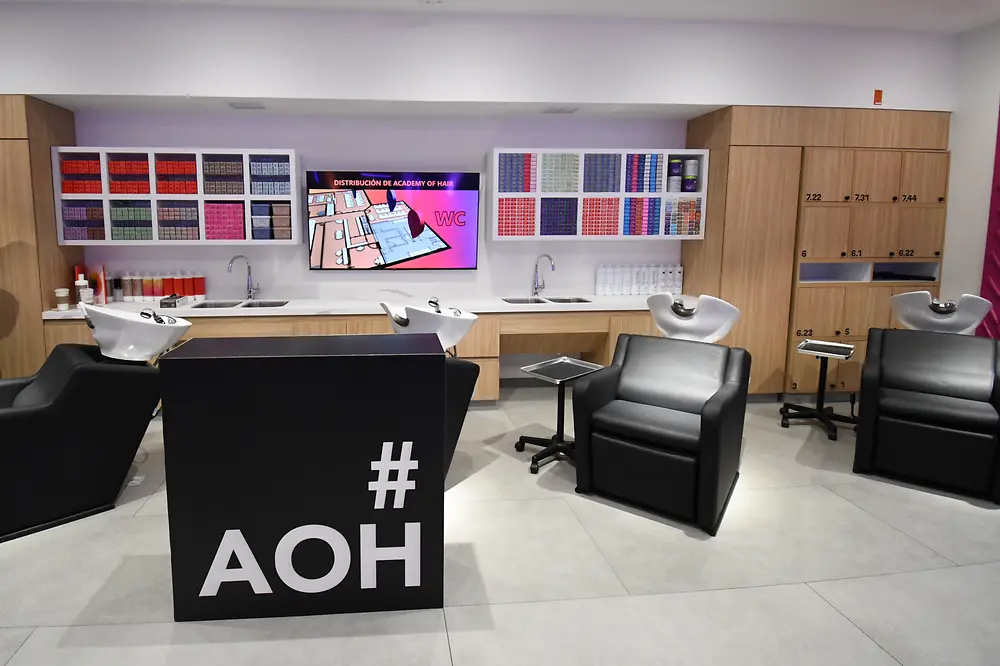
For Jan and his team, the starting point for all further developments is always the same: What do consumers need? Persil is present in more than 50 countries, each with its own expectations and requirements. “Washing machines in North America, for example, are much larger and typically use more water,” Jan explains. “Most laundry also goes into the dryer, whereas in other regions clothes are often dried outdoors due to the climate. The detergent has to be adapted to all of this.” To gain a deep understanding of these diverse needs, Persil relies on continuous consumer research – combining trend analysis with direct, hands‑on interaction. One particularly valuable tool are so‑called blind consumer use tests. In these tests, consumers evaluate detergents at external institutes or in Henkel’s own consumer research centers, Bright Ideas, without knowing which brand they are testing. “Understanding behavior is just as important as the evaluation itself,” Antje adds. “We observe how people dose the detergent, how they hold and handle the product, and how they interact with different formats. Sometimes the insights come down to small nuances – but for us, these details provide important impulses for further development and innovation.”
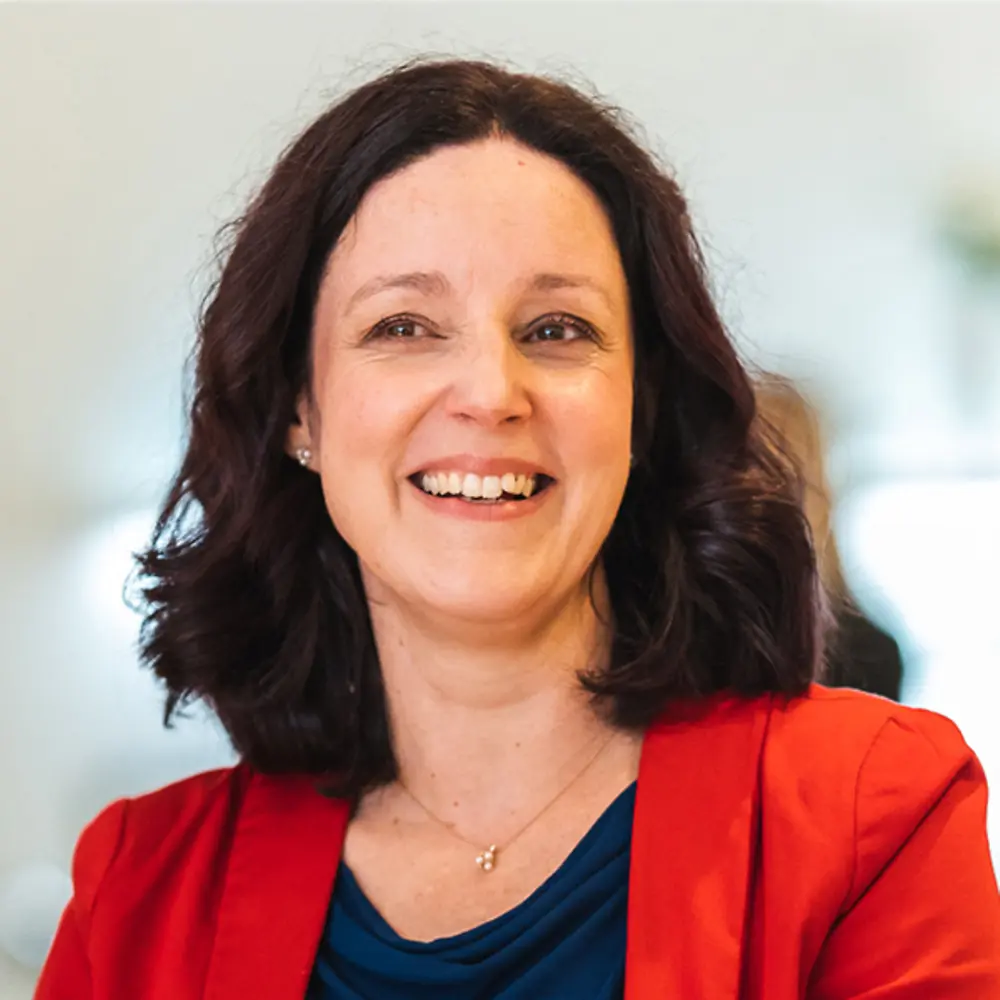
Laundry is an everyday task, but there is so much science behind it – and that’s what makes it so fascinating for me. Being able to use scientific approaches to solve these everyday challenges.
Antje Gebert, Head of R&D Future of Liquids at Henkel
Antje describes her work like this: “We translate the problem a consumer wants to solve into a chemical challenge and then break it down into smaller tasks that we tackle step by step. I’m a consumer myself and sometimes face the very same issues – for example: How do I remove deodorant stains under the arms? These are exactly the kinds of everyday problems we aim to solve. Or: How can I prevent my textiles from turning grey over time? That’s something we’re currently testing with new technologies. Certain ingredients, such as enzymes, can loosen the layer of dirt on fabrics, helping us wash it away even at lower temperatures.” The chemist adds: “Laundry is an everyday task, but there is so much science behind it – and that’s what makes it so fascinating for me. Being able to use scientific approaches to solve these everyday challenges.”
For Jan, one thing is clear: Innovation at Persil is never an end in itself. “Ultimately, the goal must always be to create the best possible product. And that is achieved by working with a long‑term perspective and a strong focus on consumers. Deep‑clean laundry is more than just a result – it creates a feeling of freshness, lightness, and renewed energy. A feeling that helps people start their day on a positive note and be ready for whatever lies ahead.”

INNOVATION
UNDERSTANDING CHANGE, SHAPING THE FUTURE
Every innovation starts with an extraordinary idea. But an idea is only the first step. A leap forward in innovation requires more. It takes an idea that excites – the market, consumers, or our customers. The key to sustainable growth and prosperity are innovative products and technologies that address challenges, bring about change and achieve visions.
1 of 3
EXPLORE OUR
INNOVATION NETWORK
INNOVATION NETWORK
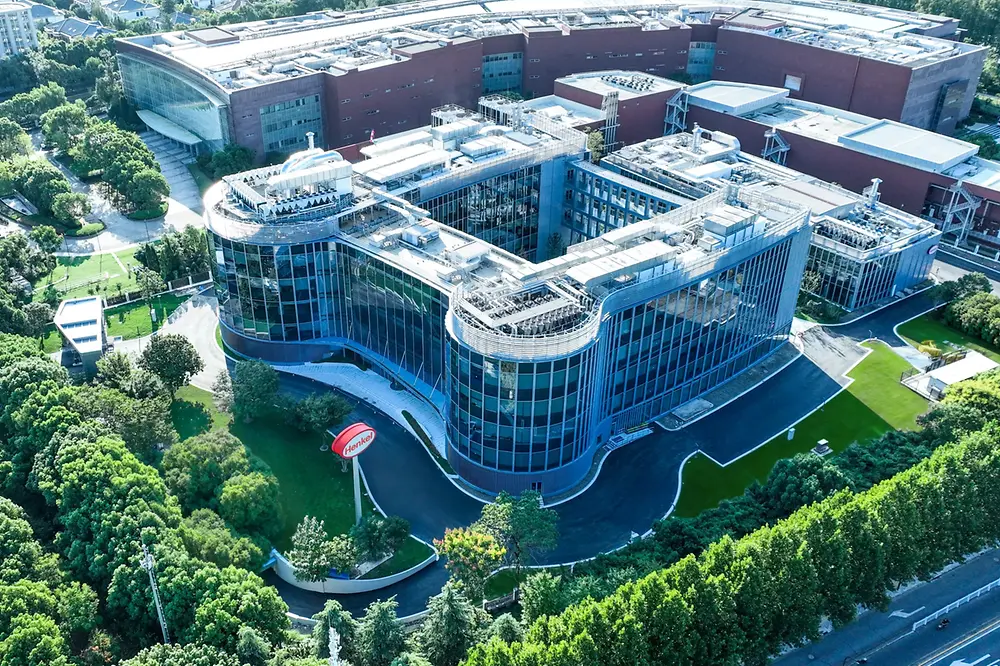
Our global R&D infrastructure supports close collaboration with our customers and consumers enabling us to foster innovation, drive technological advancements and shape the future of several industries. These centers serve as hubs for cutting-edge research and bringing together diverse expertise to tackle complex challenges. Collaboration between global R&D centers and local institutions is also crucial to develop innovative tailor-made solutions and targeted products for our customers and consumers.

1 of 2
SPOTLIGHT
MAGAZINE
MAGAZINE
Discover our features with stories and expert insights on innovation, sustainability, digitalization and Henkel’s pioneering culture.